English


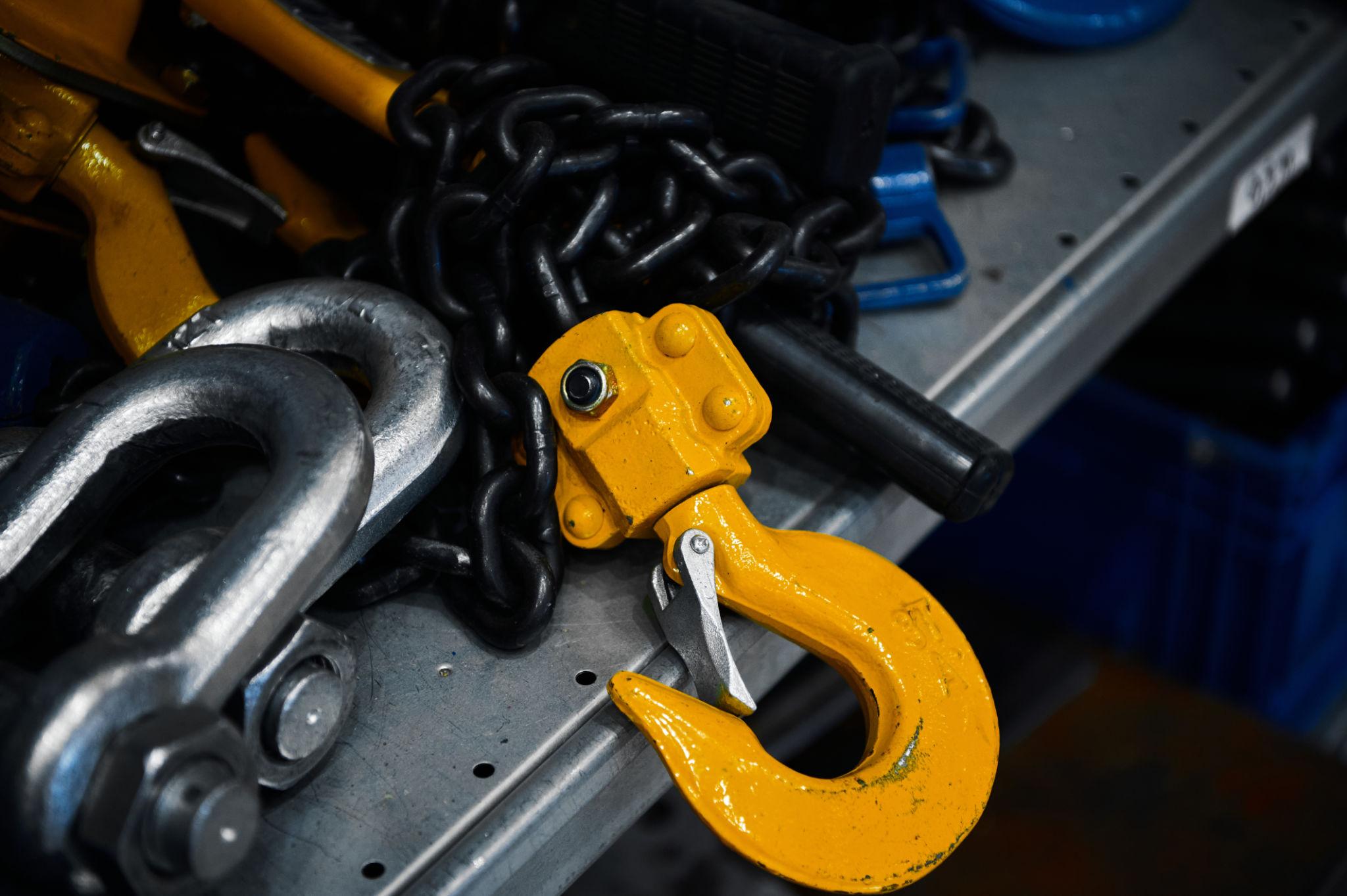
Welding Type Hooks Built for Permanent Strength in Industrial Rigging Systems
In many lifting systems, flexibility is useful — until it becomes a risk.
Bolted or detachable hooks can loosen over time, especially under vibration or repeated load cycles. That’s where welding type hooks stand apart. Once installed, they become part of the structure itself. No shifting. No loosening. Just consistent performance.
For buyers sourcing from a welding type hook factory, the expectation is clear: permanent strength, structural integrity, and zero compromise under pressure.
Why Fixed Welding Hooks Solve Real-World Problems
In heavy-duty environments — construction sites, transport platforms, agricultural trailers — hooks are not just connectors. They are load-bearing anchors.
However, traditional detachable hooks often face:
- Loosening under vibration
- Misalignment due to repeated load shifts
- Bolt fatigue over time
- Increased maintenance requirements
A welded hook eliminates these variables. Once fused to the steel structure, it behaves as a single integrated load point, significantly reducing failure risk.
According to American Society of Mechanical Engineers B30 standards, fixed lifting points reduce mechanical play and improve load stability in dynamic lifting conditions.
How Welding Type Hooks Are Manufactured
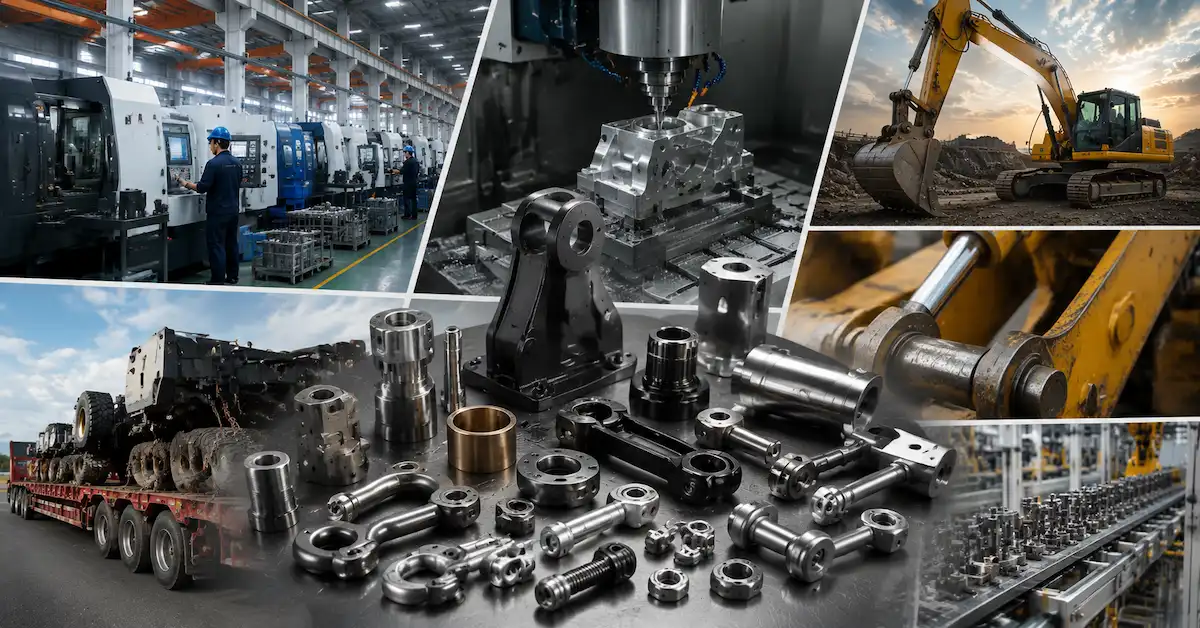
At a professional welding type hook factory, production involves more than simple welding. It combines forging precision with structural integration.
Typical process flow:
- Alloy Steel Forging (35CrMo / 42Cr)
- Heat Treatment (Quenching & Tempering)
- CNC Finishing for Accurate Geometry
- Surface Treatment (Zinc / Powder / HDG)
- Precision Welding onto Base Plate or Structure
- Post-Weld Stress Testing and Inspection
The welding process must follow strict thermal control to prevent micro-cracks or structural weakening. Standards from International Organization for Standardization (ISO 5817 welding quality) ensure weld integrity meets industrial safety levels.
Welded Hooks vs. Detachable Hooks
| Feature | Welding Type Hook | Detachable Hook |
|---|---|---|
| Installation | Permanent (welded) | Removable |
| Stability | Extremely high | Moderate |
| Maintenance | Minimal | Regular inspection required |
| Vibration Resistance | Excellent | Limited |
| Best Use | Industrial fixed systems | Flexible rigging setups |
The choice is simple:
If your system demands permanent load points, welded hooks are the only reliable solution.
What Defines a Reliable Welding Type Hook Factory
Not all factories are equal — especially when welding is involved. A qualified supplier must control both forging and welding processes.
Key evaluation factors:
- Certified welding procedures (WPS/PQR)
- Material traceability (Mill Test Reports)
- Load testing after welding
- Consistent weld penetration and finish quality
- OEM customization capability
Industry insights from SAE International show that improper welding can reduce fatigue life by over 40%, making process control critical.
Application Scenarios
Welding type hooks are widely used in systems where movement is limited but load demands are high:
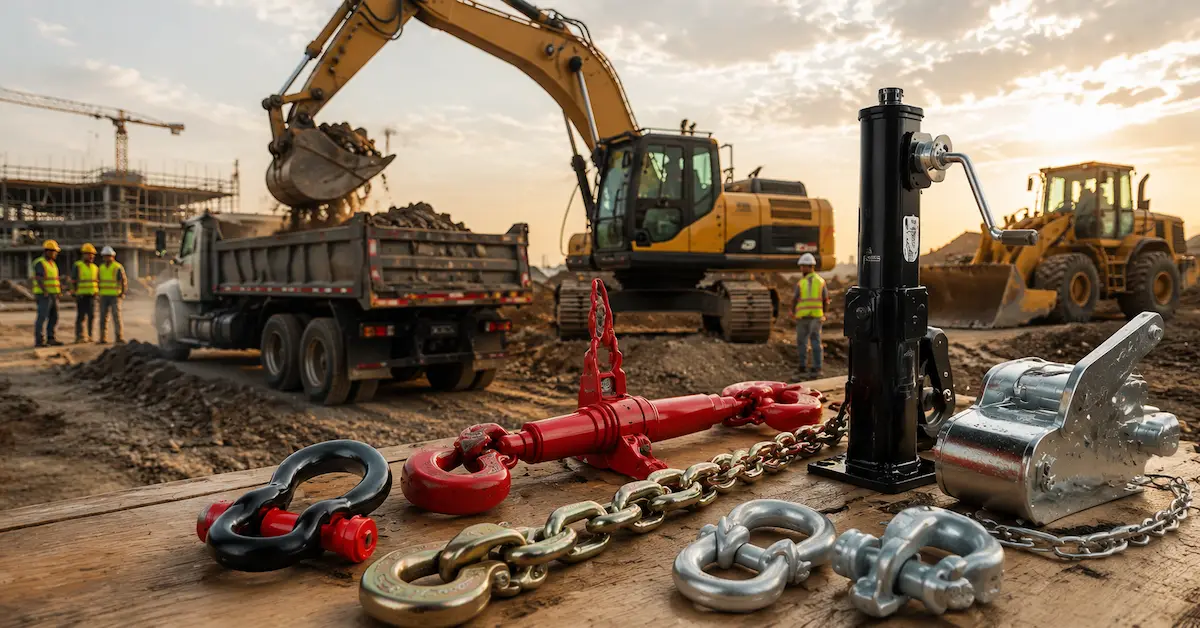
- Construction Equipment: fixed lifting points on frames
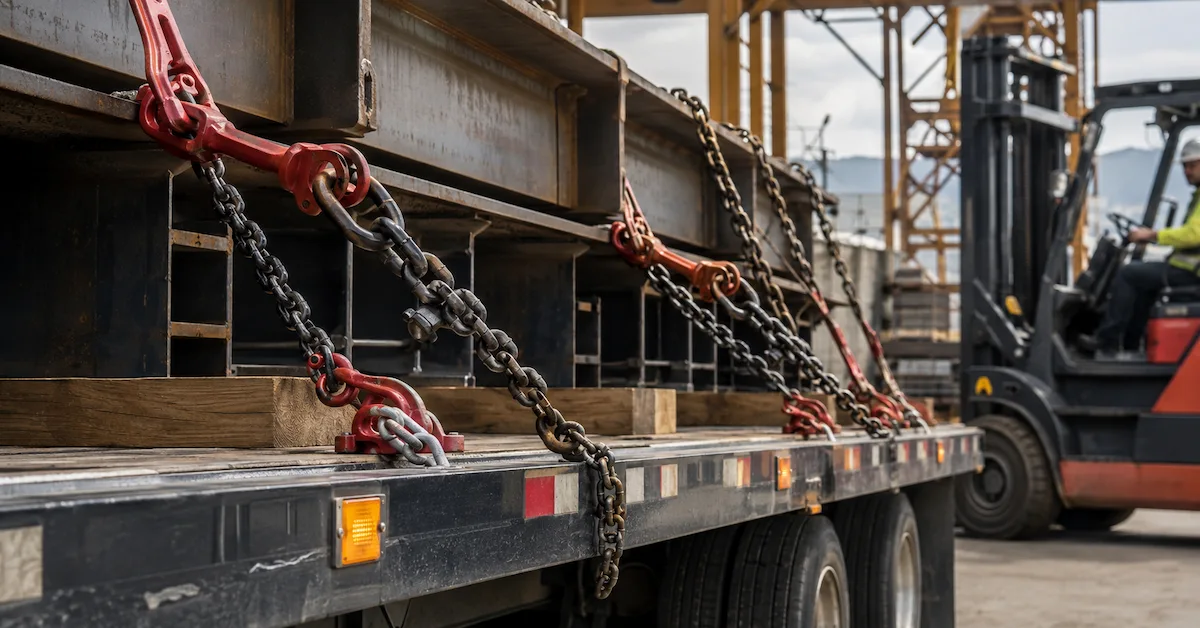
- Cargo Platforms: permanent tie-down hooks
- Agricultural Machinery: welded anchor hooks
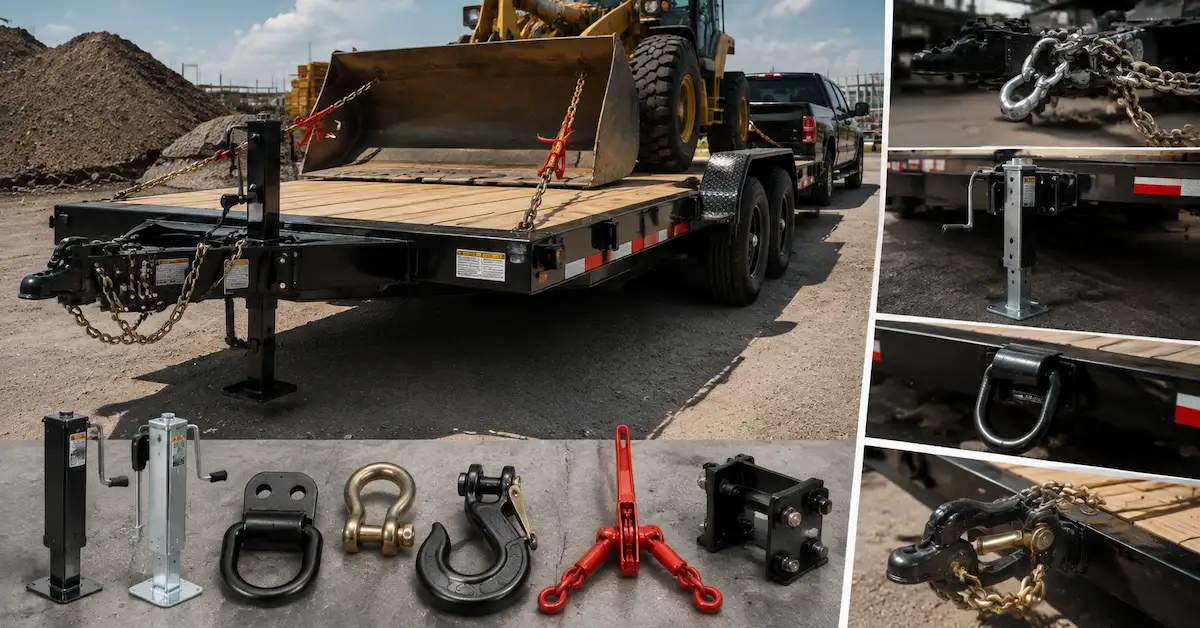
- Transport Trailers: integrated load securing systems
- Industrial Machinery: structural lifting components
These applications share one requirement: stability over flexibility.
Selection Guide
| Application | Hook Type | Material | Coating | Capacity |
|---|---|---|---|---|
| Trailer Frame | Welded Hook Plate | 42CrMo | Zinc | 5–10T |
| Construction Equipment | Heavy Weld Hook | 35CrMo | Powder | 10–20T |
| Agricultural Use | Compact Weld Hook | Carbon Steel | Painted | 3–8T |
| OEM Machinery | Custom Weld Hook | Alloy Steel | Custom | As required |
Choosing the right hook depends on load direction, weld position, and environmental exposure.
FAQ
Q1: Can welding type hooks be replaced after installation?
Yes, but removal requires cutting and re-welding, so initial selection is critical.
Q2: Are welded hooks stronger than bolt-on hooks?
Yes — they eliminate mechanical gaps and distribute load more evenly.
Q3: What certifications should welding hooks meet?
ISO welding standards, ASME load standards, and material traceability reports.
Q4: Are OEM designs supported?
Yes, including custom base plates, sizes, coatings, and branding.
Built to Stay — Engineered to Hold
A welding type hook is not meant to be adjusted. It’s meant to stay — permanently securing loads in demanding environments.
Choosing the right welding type hook factory means choosing long-term reliability, structural safety, and reduced maintenance across your entire system.
For detailed specifications or OEM cooperation, visit https://www.ztlrigging.com/ or contact https://www.ztlrigging.com/contact-us.