English


In industrial power transmission systems, a shaft is not just a round steel part. It is the component that transfers rotational force from one mechanical unit to another. When a drive torque shaft is poorly designed, the entire system may suffer from vibration, misalignment, power loss, bearing damage, or unexpected downtime.
That is why choosing the right drive torque shaft manufacturer is important for machinery builders, trailer system suppliers, agricultural equipment manufacturers, construction machinery companies, and OEM buyers who need stable torque transfer under load.
A reliable manufacturer should not only produce a shaft by drawing. It should understand torque load, speed, material strength, connection interface, heat treatment, surface finish, dynamic balancing, and long-term operating conditions.
This guide explains what a drive torque shaft does, how to evaluate shaft quality, which specifications to confirm before ordering, and how to choose a manufacturer for OEM and bulk production.
What Is a Drive Torque Shaft?
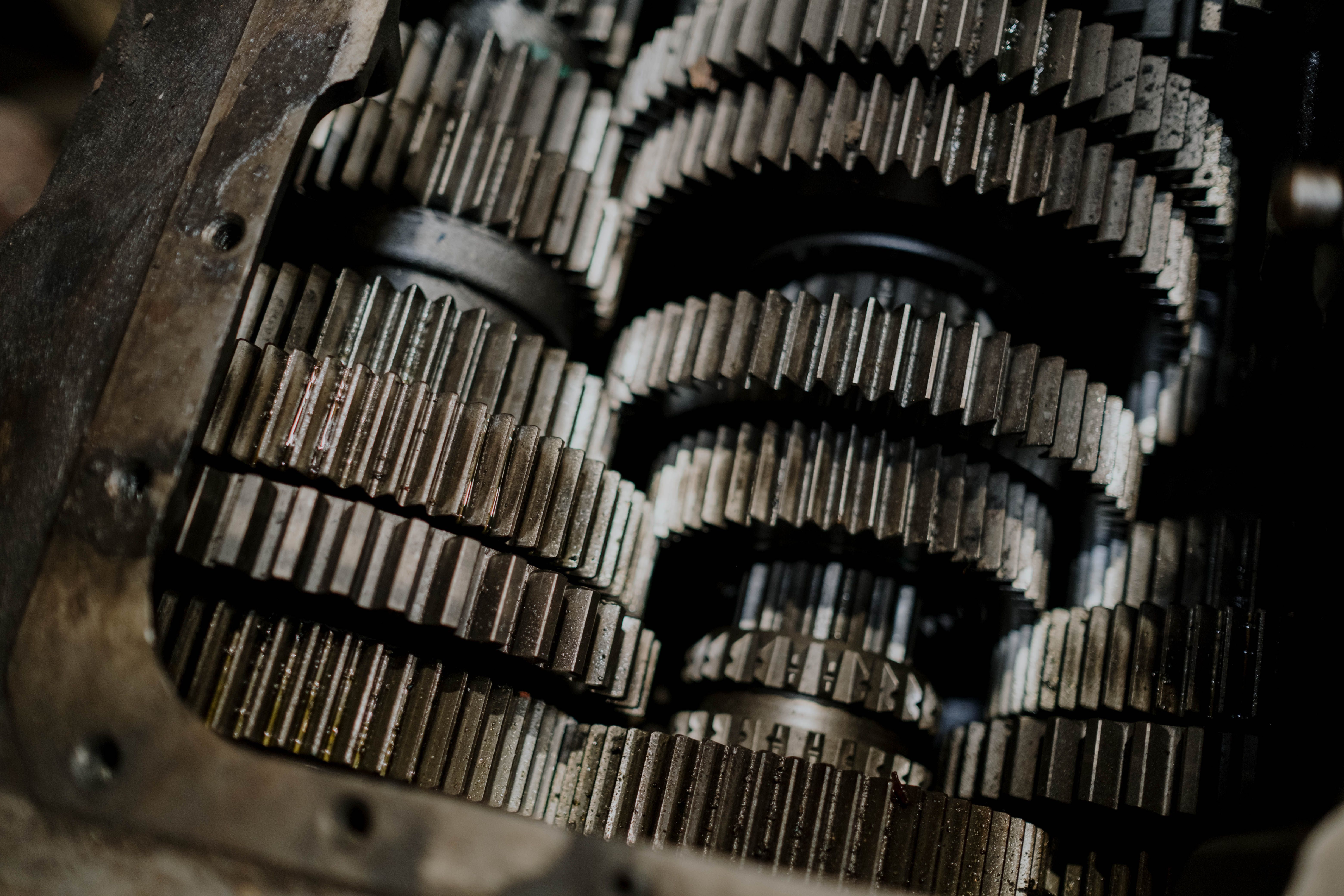
A drive torque shaft is a mechanical shaft designed to transmit rotational force between connected components. It may connect a motor to a gearbox, a gearbox to a driven unit, or one rotating assembly to another.
In many B2B search scenarios, buyers may use several related terms:
- drive torque shaft
- torque shaft
- drive shaft
- transmission shaft
- mechanical torque shaft
- industrial drive shaft
- custom torque shaft
- OEM shaft
- power transmission shaft
A torque shaft focuses on transmitting rotational force, while a drive shaft may refer more broadly to a shaft used in a drivetrain or power transfer system. For readers who need a broader product definition, Zhongteli’s guide on torque shaft manufacturer can support additional reading around torque transmission, industrial machinery, and OEM mechanical systems.
For SEO, drive torque shaft manufacturer is a strong commercial keyword because the searcher is usually not only learning what a shaft is. They are likely comparing suppliers, preparing drawings, evaluating cost, or looking for an OEM production partner.
Who Needs a Drive Torque Shaft Manufacturer?
A professional drive torque shaft manufacturer is most useful for B2B buyers who need repeated quality, custom fit, and stable mechanical performance.
Typical buyers include:
- Industrial machinery manufacturers
- Heavy equipment OEM buyers
- Agricultural machinery suppliers
- Trailer and transport system manufacturers
- Conveyor and automation system builders
- Construction equipment suppliers
- Gearbox and drivetrain assembly companies
- Replacement parts distributors
- Importers and wholesalers of mechanical components
- Maintenance teams for industrial production lines
This product is usually not necessary for decorative parts, low-load consumer products, or simple non-rotating brackets. But when a shaft must work under torque, speed, vibration, load changes, or harsh outdoor conditions, standard parts may not be enough.
If your equipment depends on stable power transfer, choosing a qualified manufacturer can reduce hidden costs such as repeated replacement, downtime, bearing failure, customer complaints, and warranty claims. For heavy-load use cases, you can also compare this article with Zhongteli’s guide on choosing a heavy duty torque shaft manufacturer.
Why Drive Torque Shaft Quality Matters
Drive torque shafts often work inside systems where failure is expensive. A small dimensional error may cause vibration. Poor material selection may cause fatigue cracking. Incorrect heat treatment may reduce shaft life. Bad surface finish may increase wear. Poor balancing may damage bearings and connected components.
Common problems caused by low-quality drive torque shafts include:
- torsional fatigue under repeated load cycles
- vibration caused by imbalance
- misalignment caused by poor runout or concentricity
- premature wear at spline, keyway, or bearing positions
- cracking caused by unsuitable steel or heat treatment
- corrosion in outdoor or humid environments
- power loss due to poor fit or surface quality
- assembly problems during OEM production
For heavy machinery and continuous operating systems, Zhongteli’s article on industrial torque shaft factory explains why shaft failure may lead to downtime, maintenance cost, and reduced transmission efficiency.
For OEM buyers, the real cost of a shaft is not just the purchase price. It is the cost of the entire system when the shaft performs well—or fails early.
Key Specifications to Confirm Before Ordering
Before contacting a drive torque shaft manufacturer, buyers should prepare clear technical requirements. The more accurate the information, the easier it is to control cost, sample time, and mass production quality.
| Specification Item | What to Confirm | Why It Matters |
|---|---|---|
| Shaft length | Overall length and effective working length | Ensures correct installation and assembly fit |
| Shaft diameter | Main diameter, bearing diameter, stepped sections | Affects torque capacity and fit |
| Torque load | Working torque and peak torque | Prevents overload, fatigue, and fracture |
| Rotational speed | RPM range and duty cycle | Affects balancing and vibration control |
| Connection type | Spline, keyway, thread, flange, groove, or coupling | Determines power transfer interface |
| Material grade | Carbon steel, 40Cr, 42CrMo, or custom alloy steel | Affects strength, toughness, and fatigue life |
| Heat treatment | Quenching, tempering, induction hardening, or surface hardening | Improves hardness and durability |
| Tolerance | Runout, straightness, concentricity, diameter tolerance | Controls vibration and assembly accuracy |
| Surface finish | Turning, grinding, polishing, coating | Affects wear and corrosion resistance |
| Balancing | Static or dynamic balancing requirement | Reduces vibration in rotating systems |
| Testing | Material, hardness, dimension, load, balancing inspection | Confirms batch reliability |
| Packaging | Anti-rust oil, sleeves, cartons, pallets, labels | Protects export shipment quality |
For replacement parts, buyers can provide samples, photos, drawings, and part numbers. For OEM projects, 2D drawings, 3D files, torque data, RPM, environment, and assembly requirements are preferred.
For projects where dimensions, tolerance, and repeatability are critical, Zhongteli’s precision torque shaft factory article provides more context on high-accuracy shaft manufacturing.
Materials for Drive Torque Shafts
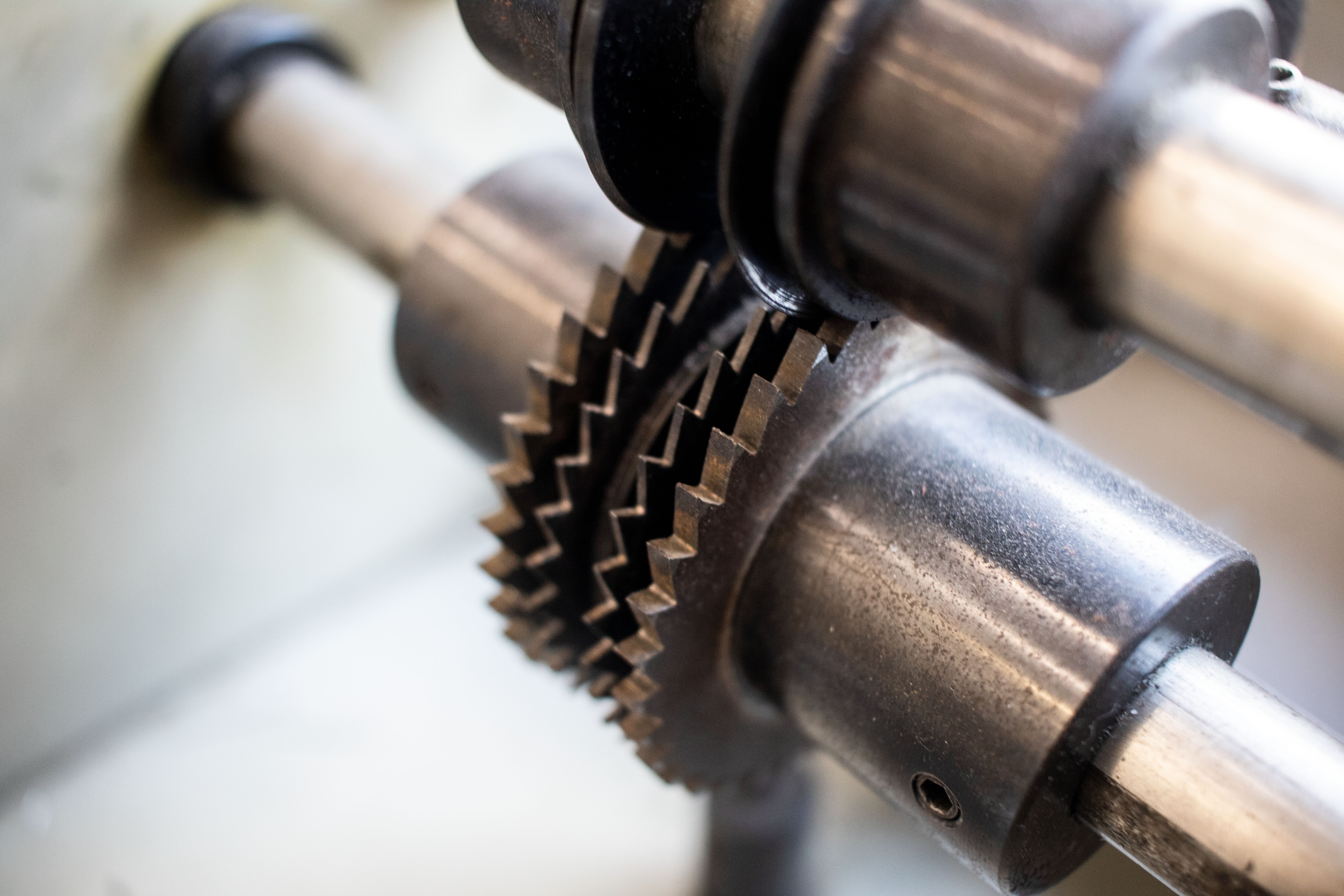
Material selection has a direct impact on shaft strength, fatigue resistance, machinability, heat treatment response, and service life.
Common material options include:
- Carbon steel for moderate-load applications
- 40Cr for stronger mechanical performance
- 42CrMo for heavy-duty and high-fatigue applications
- Custom alloy steel for OEM systems
- Stainless or coated steel for special corrosion environments
For steel bar requirements, ASTM A29/A29M-23 is a useful reference because it covers general requirements for carbon and alloy steel bars.
For drive torque shafts, material should never be selected by price alone. A low-cost steel may reduce initial cost, but if the shaft works under high torque or continuous operation, poor material can lead to cracking, deformation, or excessive wear.
For buyers comparing material and manufacturing options, Zhongteli’s custom torque shaft OEM solutions article explains how alloy steel, heat treatment, CNC machining, and dynamic balancing can be matched to real application requirements.
CNC Machining, Heat Treatment, and Grinding
A drive torque shaft must be strong, but strength alone is not enough. It also needs precision.
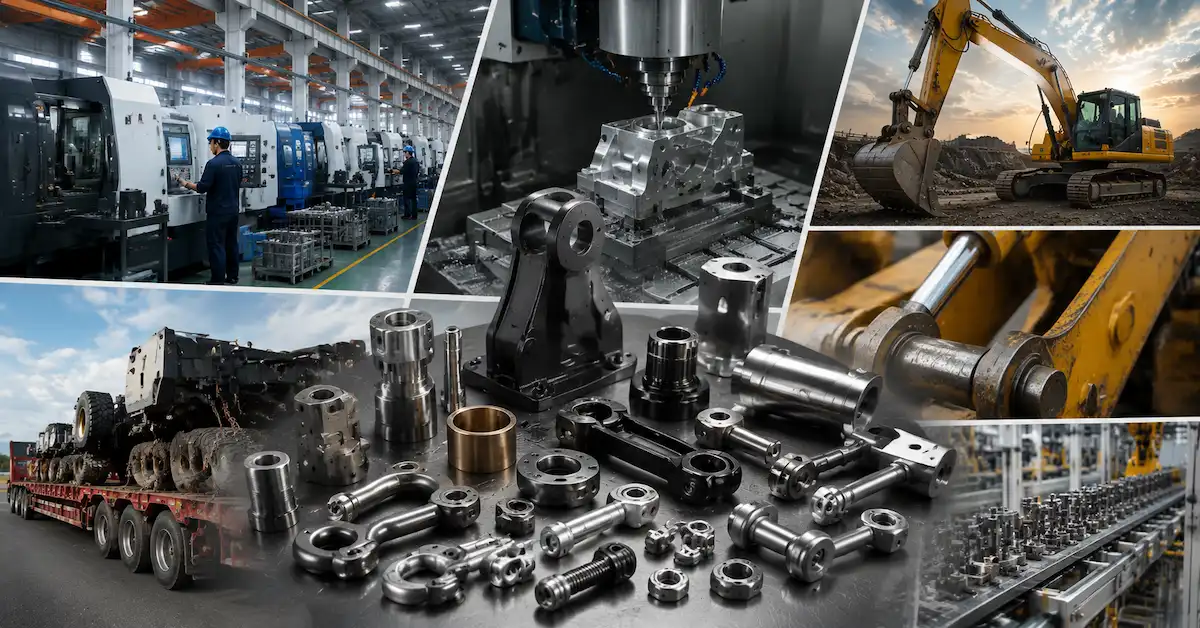
The typical manufacturing process includes:
- Material selection and incoming inspection
- Cutting or blank preparation
- Forging or rough turning when required
- CNC turning for stepped diameters
- Milling, broaching, or hobbing for keyways, splines, or grooves
- Heat treatment for strength and fatigue resistance
- Straightening after heat treatment if needed
- Grinding for critical bearing or sealing surfaces
- Surface treatment or coating
- Dynamic balancing when required
- Final dimensional inspection
- Anti-rust packaging for shipment
For buyers, this means the best supplier is not simply the one with machines. It is the manufacturer that understands how each process affects the final shaft.
For example, heat treatment can improve hardness and fatigue resistance, but it may also create distortion if not controlled. Grinding can improve surface finish and dimensional accuracy, but it adds cost and should be used where it matters most. Dynamic balancing may be essential for high-speed rotating systems, but unnecessary for low-speed applications.
A reliable drive torque shaft manufacturer should help buyers balance performance and cost instead of over-engineering every feature.
Tolerances, Runout, and Dynamic Balancing
Drive torque shafts often connect to bearings, couplings, gears, pulleys, or other rotating parts. Small dimensional errors can become serious during rotation.
Important tolerance items include:
- outer diameter tolerance
- bearing seat tolerance
- spline or keyway position
- concentricity
- straightness
- total indicated runout
- end face perpendicularity
- surface roughness
- coupling interface accuracy
ISO 286-1 can be used as a reference for tolerances, deviations, and fits for linear sizes. This is relevant when buyers need to define shaft diameters, bearing seats, or fit-related dimensions.
For rotating components, balancing may also be required. ISO 21940-11:2016 addresses procedures and unbalance tolerances for rotors with rigid behavior, making it relevant for shafts used in higher-speed rotating systems.
For OEM buyers, tolerance should match the real working requirement. Overly loose tolerance may cause vibration or fit problems. Overly tight tolerance may increase cost without improving performance. A capable manufacturer should ask where the shaft fits, what speed it rotates at, and which surfaces are critical.
Drive Torque Shaft vs Standard Shaft vs Transmission Shaft
The terms may overlap, but buyers should understand the practical differences.
| Shaft Type | Main Feature | Advantages | Limitations | Best For |
|---|---|---|---|---|
| Standard shaft | General dimensions and basic material | Easy to source, lower initial cost | Limited customization and performance control | Low to moderate mechanical use |
| Drive torque shaft | Designed for torque transfer and rotational load | Better strength, fit, and power transmission stability | Requires technical confirmation | Industrial drive systems and OEM equipment |
| Transmission shaft | Used in broader drivetrain or power transmission systems | Suitable for machinery, automotive, and agricultural systems | Design varies by system | Gearboxes, drivetrains, conveyors, PTO systems |
| Custom OEM shaft | Designed around buyer drawings and application data | Best fit, stable batch quality, brand packaging | Needs sampling and engineering communication | OEM production and export projects |
For a deeper comparison of shafts used in industrial power systems, read Zhongteli’s guide on choosing a transmission shaft manufacturer.
For a buyer searching drive torque shaft manufacturer, the best solution is often between a standard shaft and a fully custom OEM shaft. The shaft should be customized where performance requires it, but not overcomplicated where a simpler design is enough.
Application Scenarios
Drive torque shafts are used wherever rotational force needs to be transferred reliably.
Common applications include:
- Industrial machinery
- Conveyors and automation systems
- Agricultural equipment
- Construction machinery
- Trailer and transport systems
- Gearbox assemblies
- PTO-driven systems
- Automotive drivetrain components
- Heavy-duty mechanical equipment
- OEM power transmission modules
For trailer-related power transfer applications, Zhongteli’s trailer torque shaft supplier article explains how shaft selection depends on torque requirements, speed, material treatment, and operating conditions.
Different applications require different priorities.
For conveyors, continuous rotation and low vibration may be the main concern.
For agricultural equipment, dust, mud, impact, and outdoor corrosion may be important.
For construction machinery, shock load and fatigue resistance may matter most.
For OEM systems, repeatable dimensions and batch consistency are often the key requirements.
Readers who want to explore Zhongteli’s broader manufacturing range can also visit the Zhongteli product page.
Selection Guide by Application
| Application | Recommended Shaft Type | Material Suggestion | Process Suggestion | Key Requirement |
|---|---|---|---|---|
| Conveyor system | Precision drive shaft | 40Cr or alloy steel | CNC machining + balancing | Continuous operation and low vibration |
| Agricultural machinery | Coated drive torque shaft | Carbon steel, 40Cr, or alloy steel | Heat treatment + surface coating | Dust, mud, outdoor use |
| Construction equipment | Heavy-duty torque shaft | 42CrMo or alloy steel | Heat treatment + grinding | Shock load and fatigue resistance |
| Trailer system | Drive or torque shaft | 40Cr or 42CrMo | Machining + coating | Load stability and durability |
| Gearbox assembly | Precision transmission shaft | Alloy steel | Grinding + tight tolerance | Accurate fit and low wear |
| OEM equipment | Custom drive torque shaft | Buyer-specified steel | Full custom process | Drawing accuracy and batch repeatability |
This table is a starting point only. Final design should follow torque, speed, space, assembly interface, working environment, and safety factor requirements.
Quality Control Checklist
A professional drive torque shaft manufacturer should provide measurable quality control, not only visual inspection.
Important QC items include:
- material certificate review
- chemical composition verification when required
- hardness testing after heat treatment
- dimensional inspection for critical diameters
- runout and straightness inspection
- spline, keyway, thread, or flange inspection
- surface roughness check
- coating thickness or corrosion resistance check
- dynamic balancing report when required
- final appearance inspection
- anti-rust packaging inspection
- batch traceability for OEM orders
For buyers, inspection documents are especially important in repeat orders. The first sample may be correct, but the real test is whether later batches remain consistent.
To understand Zhongteli’s broader factory background, manufacturing facilities, quality control, and export service capability, visit the About Us page.
Cost Factors Buyers Should Understand
The price of a drive torque shaft depends on several technical and commercial factors.
Key cost drivers include:
- steel grade
- shaft diameter and length
- number of stepped sections
- spline, keyway, thread, or flange complexity
- tolerance level
- grinding requirement
- heat treatment process
- surface coating
- dynamic balancing requirement
- testing documentation
- packaging method
- order quantity
- sample and tooling requirements
- delivery schedule
A low unit price may look attractive, but it can become expensive if the shaft causes vibration, downtime, replacement cost, or warranty claims.
A reliable supplier should explain which requirements increase cost and which ones are necessary for performance. This helps buyers avoid both under-specifying and over-specifying the shaft.
How to Choose the Right Drive Torque Shaft Manufacturer
When evaluating suppliers, buyers should look at both technical capability and project support.
Use this checklist:
- Can the manufacturer work from drawings, samples, or application data?
- Does it understand torque load, RPM, and working environment?
- Can it recommend suitable steel grades?
- Does it control CNC machining and heat treatment?
- Can it provide grinding for critical surfaces?
- Can it support dynamic balancing when needed?
- Does it inspect runout, straightness, and critical dimensions?
- Can it provide material certificates or inspection reports?
- Does it support OEM packaging and batch traceability?
- Does it have export experience?
- Is communication clear during sampling and production?
A professional drive torque shaft manufacturer should be able to discuss the application before production. If a supplier quotes without asking about torque, speed, material, tolerance, or connection type, buyers should be careful.
For buyers evaluating different shaft suppliers, Zhongteli’s industrial torque shaft factory, precision torque shaft factory, and custom torque shaft OEM solutions guides can help compare manufacturing depth, accuracy, and customization capability.
Why Work with Ningbo Zhongteli Rigging Co., Ltd.?
Ningbo Zhongteli Rigging Co., Ltd. focuses on designing, producing, and selling high-quality rigging and related industrial products for global customers.
For drive torque shaft buyers, Zhongteli’s value lies in its manufacturing and customization capabilities. The company can support buyers who need custom dimensions, alloy steel materials, CNC machining, heat treatment, surface treatment, inspection, OEM packaging, and export-ready supply.
As a drive torque shaft manufacturer, Zhongteli can support industrial OEM buyers, agricultural equipment suppliers, trailer system builders, and machinery manufacturers who need stable torque transmission components for demanding applications.
For direct quotation, drawings, samples, or technical communication, contact the team through the Zhongteli Contact Us page.
OEM and Customization Options
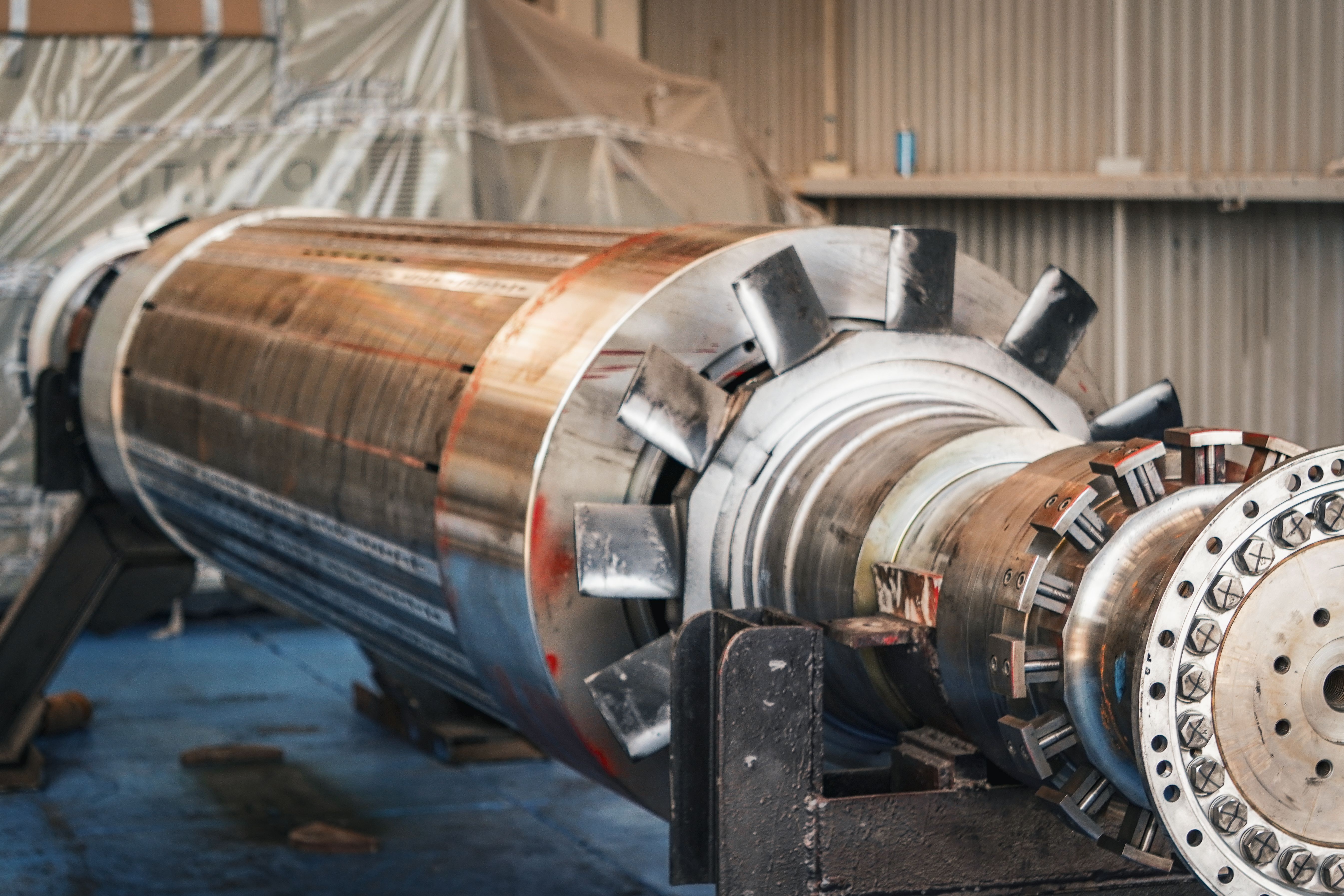
Industrial buyers often need shafts designed around their equipment, not generic catalog dimensions.
Common OEM customization options include:
- custom shaft length and diameter
- stepped shaft design
- spline, keyway, thread, groove, or flange design
- custom bearing seat dimensions
- specific material grade
- heat treatment and hardness targets
- grinding and surface finish requirements
- corrosion-resistant coating
- dynamic balancing requirement
- laser marking or part number identification
- private-label packaging
- export cartons and pallets
- batch traceability labels
For OEM production, the goal is not only to produce one correct sample. The goal is to repeat the same quality across many batches.
A stable supplier can reduce assembly issues, improve maintenance planning, and support long-term product reliability. For application-specific shaft projects, Zhongteli’s custom torque shaft OEM solutions article is a useful next page for buyers who need non-standard geometry, custom interfaces, or special performance requirements.
FAQ
Q1. What does a drive torque shaft manufacturer do?
A drive torque shaft manufacturer produces shafts designed to transmit rotational force in mechanical systems. A professional manufacturer should support material selection, machining, heat treatment, grinding, balancing, inspection, and OEM customization.
Q2. What is the difference between a drive torque shaft and a drive shaft?
A drive torque shaft focuses on torque transfer and rotational stability. A drive shaft is a broader term and may refer to many types of drivetrain or power transmission shafts. For broader shaft selection, see Zhongteli’s transmission shaft manufacturer guide.
Q3. What materials are commonly used for drive torque shafts?
Common materials include carbon steel, 40Cr, 42CrMo, and custom alloy steel. Heavy-duty applications usually require alloy steel with proper heat treatment.
Q4. When should I choose a custom drive torque shaft?
Choose a custom shaft when standard dimensions cannot meet your torque load, installation space, connection interface, speed, or environmental requirements.
Q5. Why is heat treatment important?
Heat treatment improves hardness, strength, fatigue resistance, and wear resistance. It is especially important for shafts working under high torque or repeated load cycles.
Q6. Do drive torque shafts need dynamic balancing?
Dynamic balancing is recommended for shafts used in rotating systems where speed, vibration, noise, bearing wear, or smooth operation is important. ISO 21940-11:2016 can be used as a reference for balancing procedures and unbalance tolerances for rigid rotors.
Q7. What information should I provide for a quotation?
Provide drawings, samples, torque load, RPM, shaft length, diameter, connection type, material requirement, heat treatment requirement, surface treatment, quantity, and application environment.
Q8. What affects the cost of a drive torque shaft?
Cost depends on material grade, size, machining complexity, tolerance, heat treatment, grinding, balancing, coating, testing documents, packaging, and order quantity.
Q9. Can drive torque shafts be used in agricultural and construction equipment?
Yes. Drive torque shafts are commonly used in agricultural machinery, construction equipment, conveyors, trailer systems, and industrial machinery where rotational force must be transferred reliably.
Q10. How do I choose a reliable drive torque shaft manufacturer?
Choose a supplier that understands torque load, speed, materials, machining accuracy, heat treatment, dynamic balancing, quality inspection, OEM customization, and export packaging. To start a project, send drawings or samples through the Zhongteli Contact Us page.
Reliable Power Transmission Starts with the Right Shaft
A drive torque shaft may look simple, but its performance depends on material, precision, heat treatment, surface finish, balancing, and supplier control. For industrial OEM buyers, the right shaft can improve stability, reduce vibration, extend equipment life, and lower maintenance cost.
Choosing a reliable drive torque shaft manufacturer means choosing a partner that understands your application, not just your drawing.
For custom drive torque shafts, industrial torque shafts, transmission shafts, and OEM power transmission components, Ningbo Zhongteli Rigging Co., Ltd. can support global buyers with manufacturing capability, technical communication, quality inspection, and export-ready supply.