 English


Blog
Categories
Recent Posts
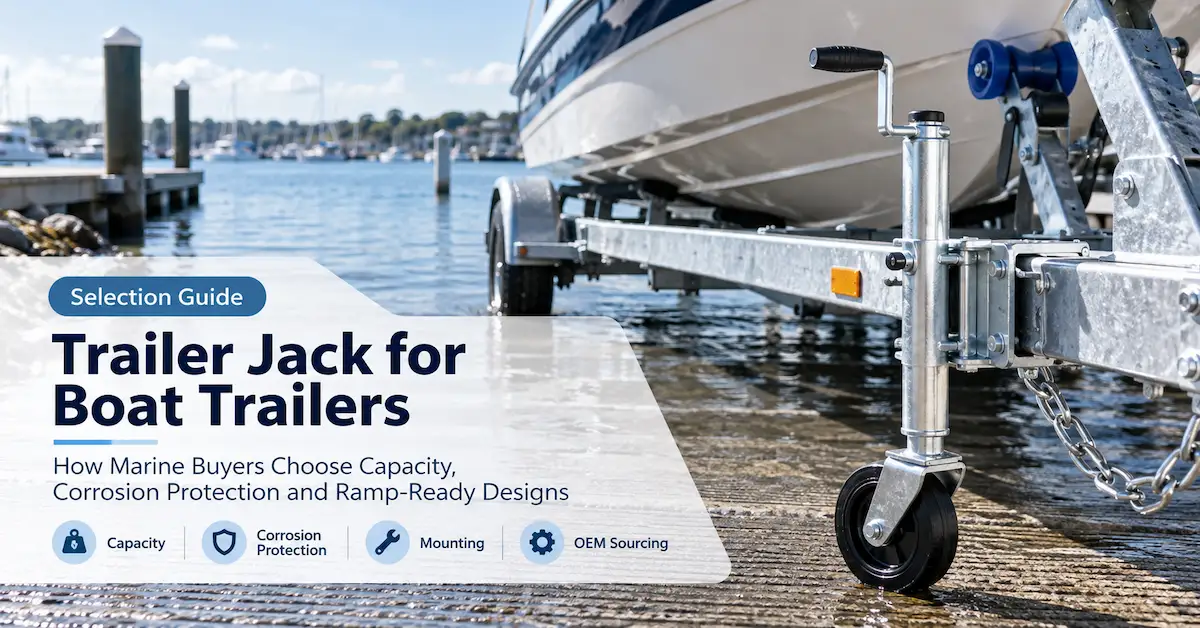
Trailer Jack for Boat Trailers: How Marine Buyers Choose Capacity, Corrosion Protection and Ramp-Ready Designs
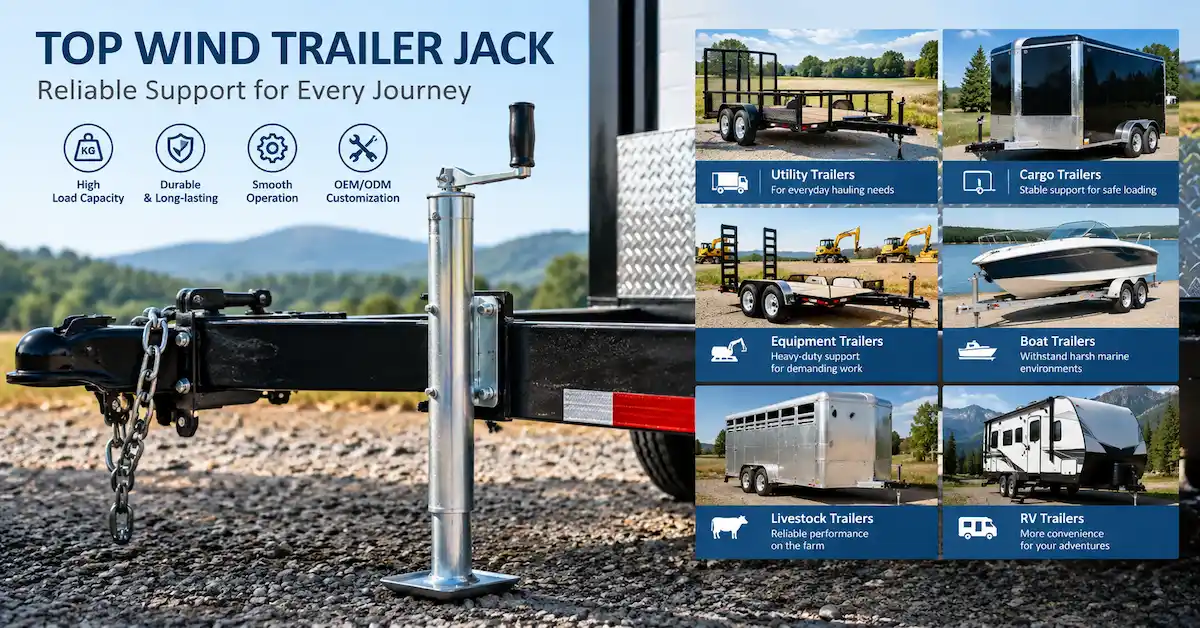
Choosing a trailer jack for boat trailers requires more than matching a capacity number. This guide explains how boat trailer manufacturers, marine distributors and OEM buyers should evaluate tongue load, corrosion exposure, mounting, travel, crank clearance and launch-ramp conditions before approving a trailer jack for production or replacement programs.
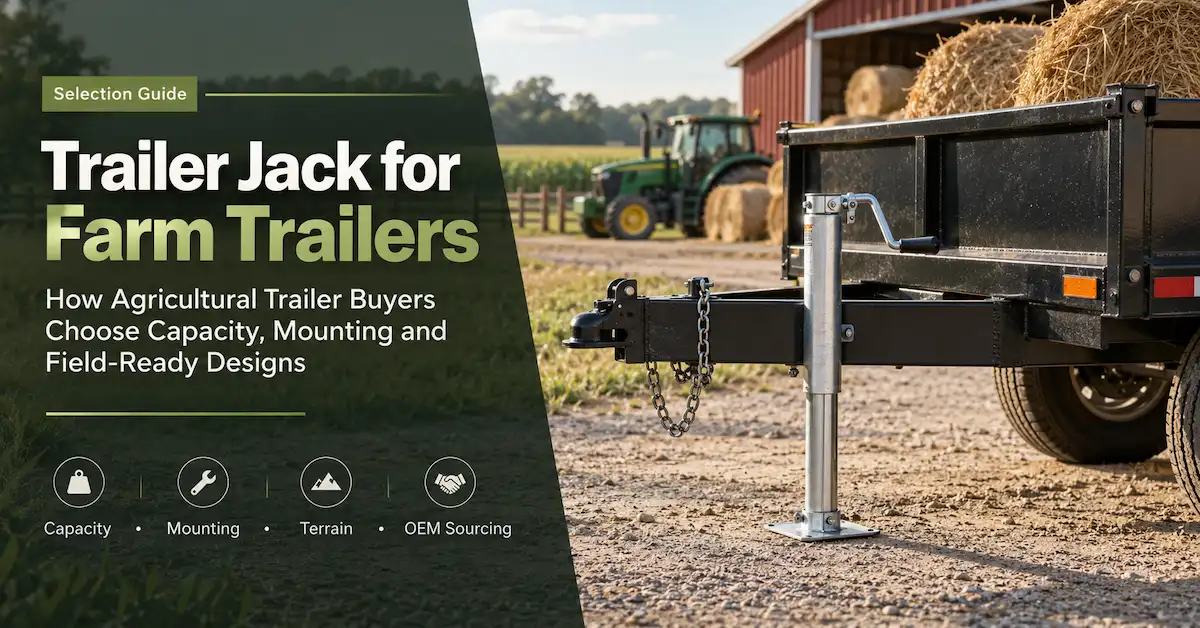
Trailer Jack for Farm Trailers: How Agricultural Trailer Buyers Choose Capacity, Mounting and Field-Ready Designs
Choosing a trailer jack for farm trailers requires more than matching a capacity number. This guide explains how agricultural trailer manufacturers, distributors and equipment buyers should evaluate jack-point load, terrain, mounting, crank clearance, travel, corrosion exposure and supplier consistency before approving a trailer jack for field use.
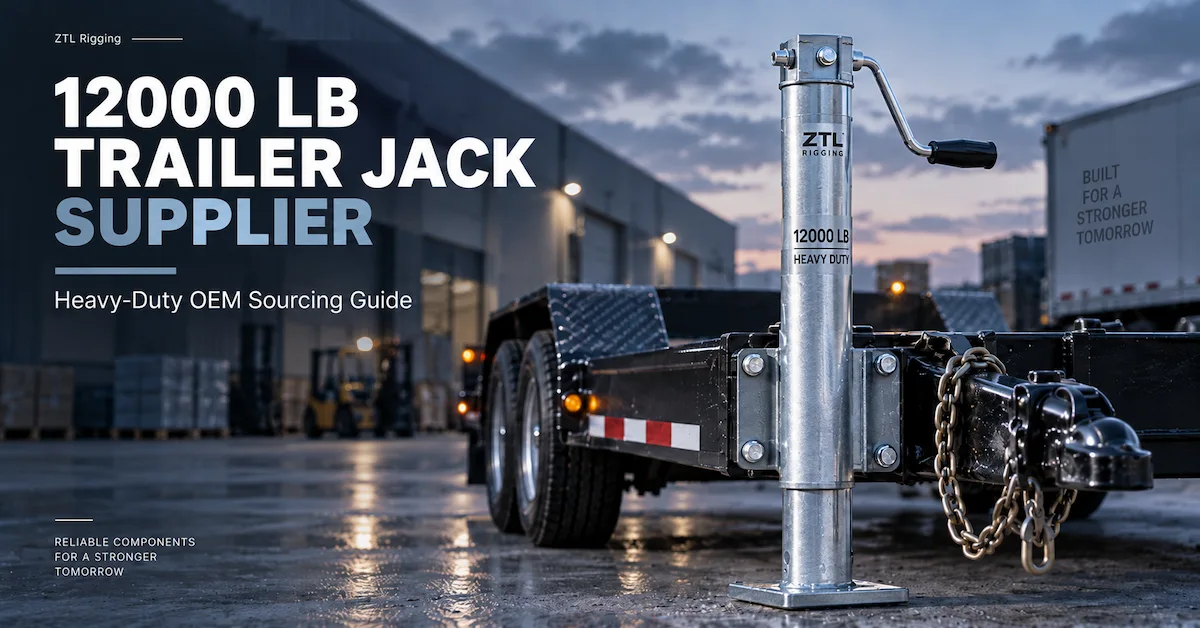
12000 lb Trailer Jack Supplier: How OEM Buyers Verify Mounting, Travel, and Batch Quality
Choosing a 12000 lb trailer jack supplier requires more than confirming a 12,000 lb capacity label. This guide helps trailer OEMs, equipment manufacturers, distributors, and private-label buyers evaluate side-wind access, weld-on mounting, travel, drop-leg range, corrosion protection, quality control, customization, and repeat-order requirements before approving a supplier.
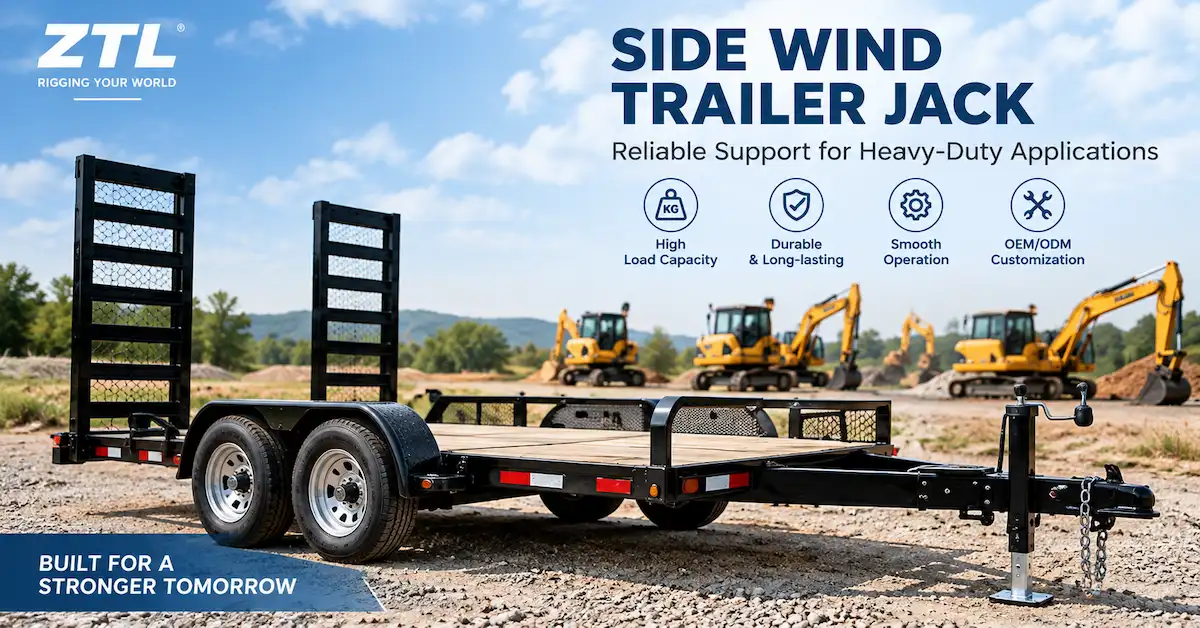
Side Wind Jack Manufacturer: How Trailer OEMs Compare Capacity, Crank Clearance, and Batch Quality
Choosing a side wind jack manufacturer requires more than comparing a load rating and unit price. This guide helps trailer OEMs, distributors, and private-label buyers evaluate side-crank clearance, mounting requirements, product specifications, manufacturing controls, and repeat-order consistency before approving a supplier.
Top Wind Jack Manufacturer: From Trailer Drawings to Batch Approval
Choosing a top wind jack manufacturer requires more than comparing capacity labels. This guide helps trailer OEMs, distributors, and private-label buyers evaluate mounting fit, crank clearance, product specifications, and sample approval before committing to bulk orders.