 English


Blog
Categories
Recent Posts
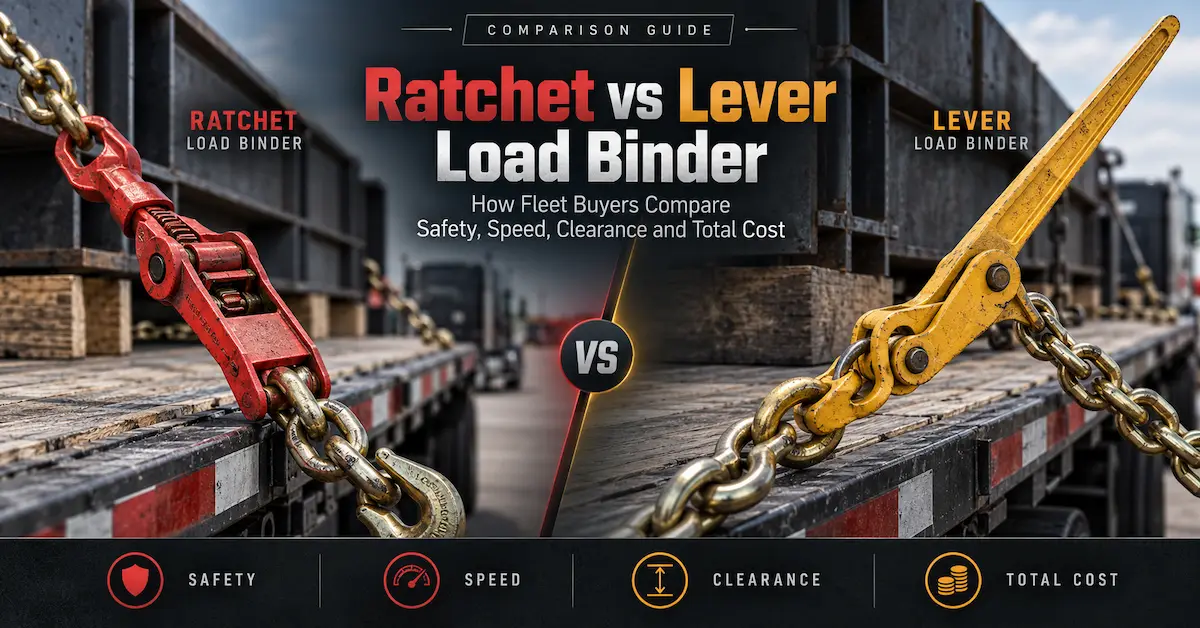
Ratchet vs Lever Load Binder: How Fleet Buyers Compare Safety, Speed, Clearance and Total Cost
Ratchet vs lever load binder selection is not simply a question of which design is stronger. This guide gives fleet operators, cargo-control distributors and OEM buyers a practical framework for comparing operating control, release behavior, handle clearance, chain compatibility, training requirements, quality control and total ownership cost before standardizing a cargo-securement program.
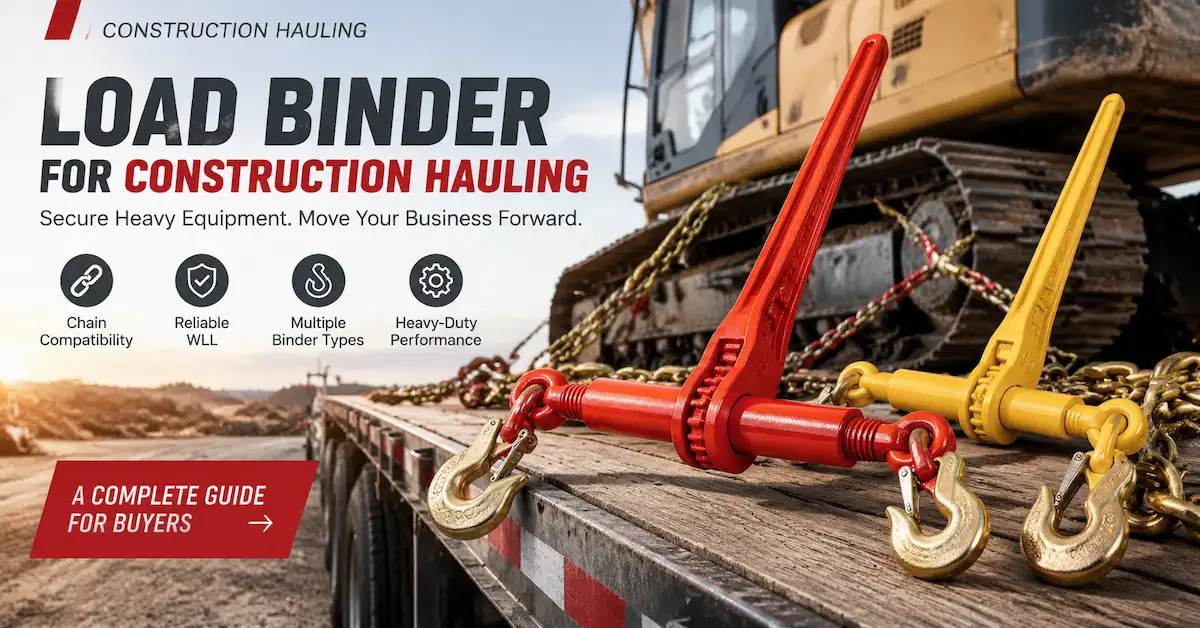
Load Binder for Construction Hauling: How to Select the Right Chain Securement Solution for Heavy Equipment
Selecting a load binder for construction hauling requires more than choosing a heavy-duty product by appearance or price. This guide explains how construction equipment transporters, trucking fleets, distributors, and OEM buyers evaluate chain compatibility, Working Load Limit, binder types, operating clearance, quality control, and sourcing requirements for reliable heavy equipment securement.
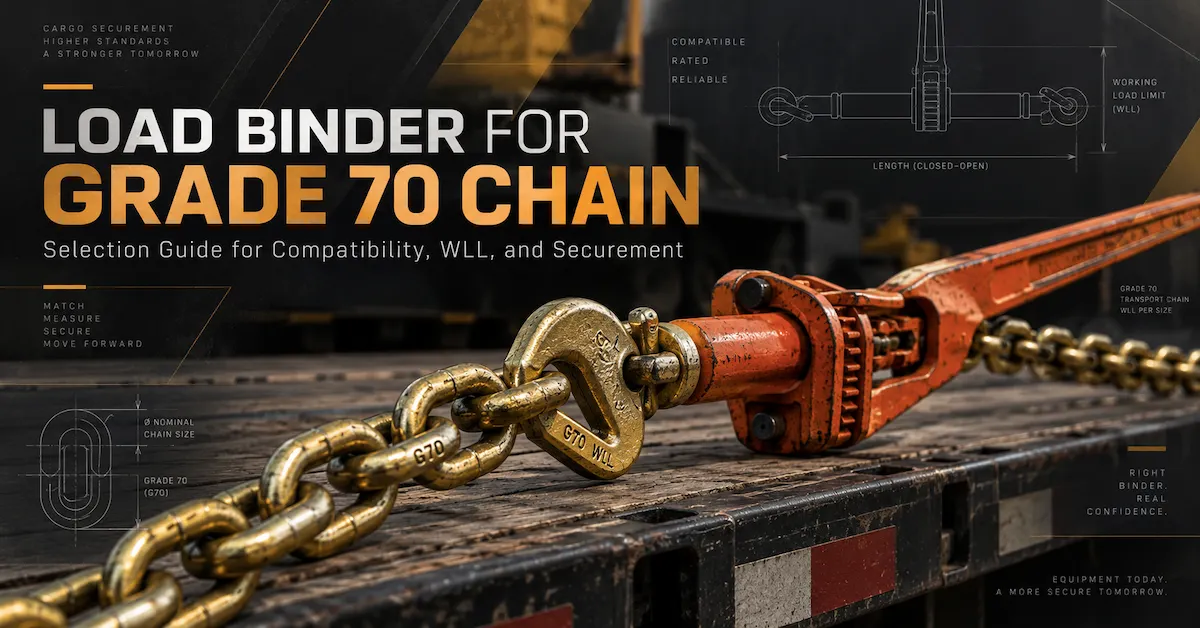
Load Binder for Grade 70 Chain: How Buyers Match Chain Compatibility and Securement Requirements
Choosing a load binder for Grade 70 chain requires understanding chain size, grade compatibility, Working Load Limit, hook design, and application requirements. This guide helps transportation companies, heavy-equipment haulers, distributors, and OEM buyers evaluate binder selection, inspection points, and sourcing considerations before placing bulk orders.
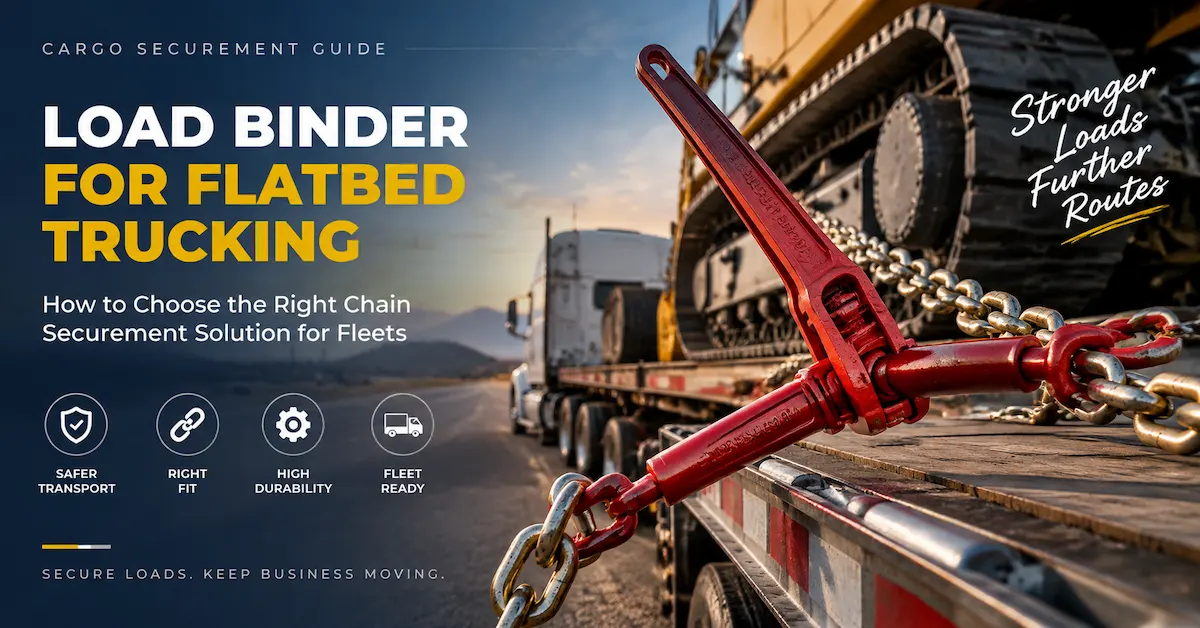
Load Binder for Flatbed Trucking: How to Choose the Right Chain Securement Solution for Fleets
This guide explains how to select a load binder for flatbed trucking by evaluating chain compatibility, Working Load Limit, binder type, operating clearance, and supplier capabilities. It helps flatbed fleets, equipment transport companies, distributors, and OEM buyers reduce purchasing risks and build a reliable cargo securement solution.
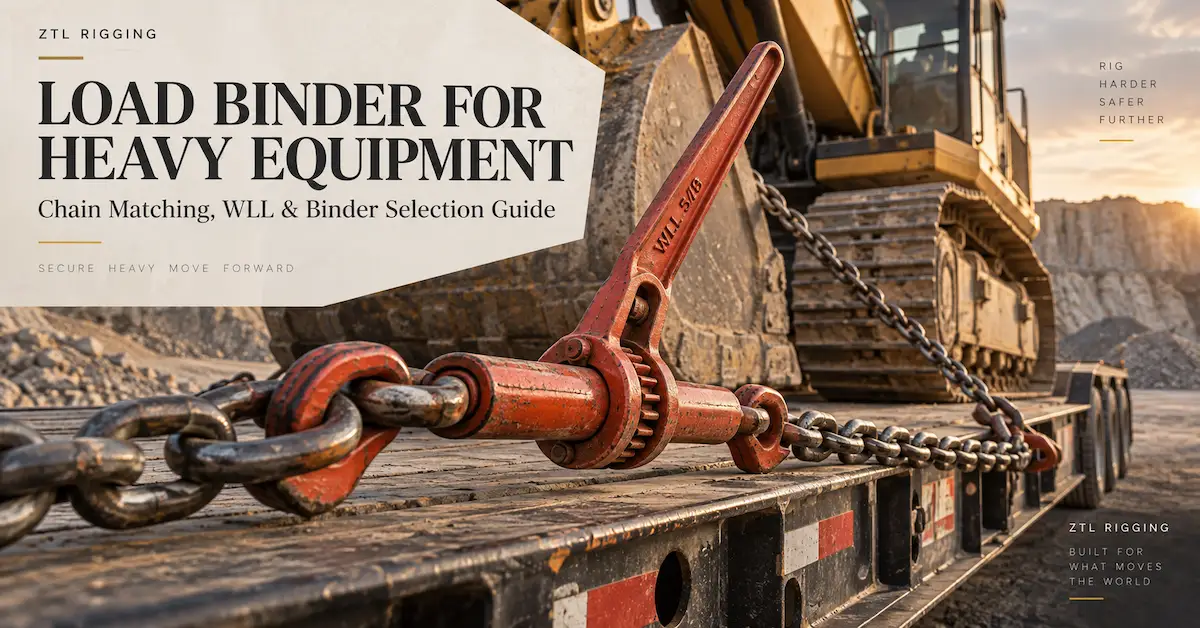
Load Binder for Heavy Equipment: How to Match Chain, WLL, and Binder Type for Machinery Transport
Choosing a load binder for heavy equipment requires matching the binder to the transport chain, Working Load Limit, hook geometry, take-up range, equipment layout, and operating procedure rather than selecting by equipment weight alone. This guide helps heavy-haul fleets, equipment transport companies, distributors, and OEM buyers compare binder types, prepare technical RFQs, and reduce specification risks before bulk purchasing.
Load Binder Size Chart: Chain Compatibility, Working Load Limit, and an RFQ Guide for B2B Buyers
A practical B2B sourcing guide for importers, distributors, fleet buyers and OEM brands. Compare load binder chain compatibility, working load limit, proof load, take-up, hook geometry, manufacturing quality, testing, traceability, packaging and RFQ details before placing a bulk order.
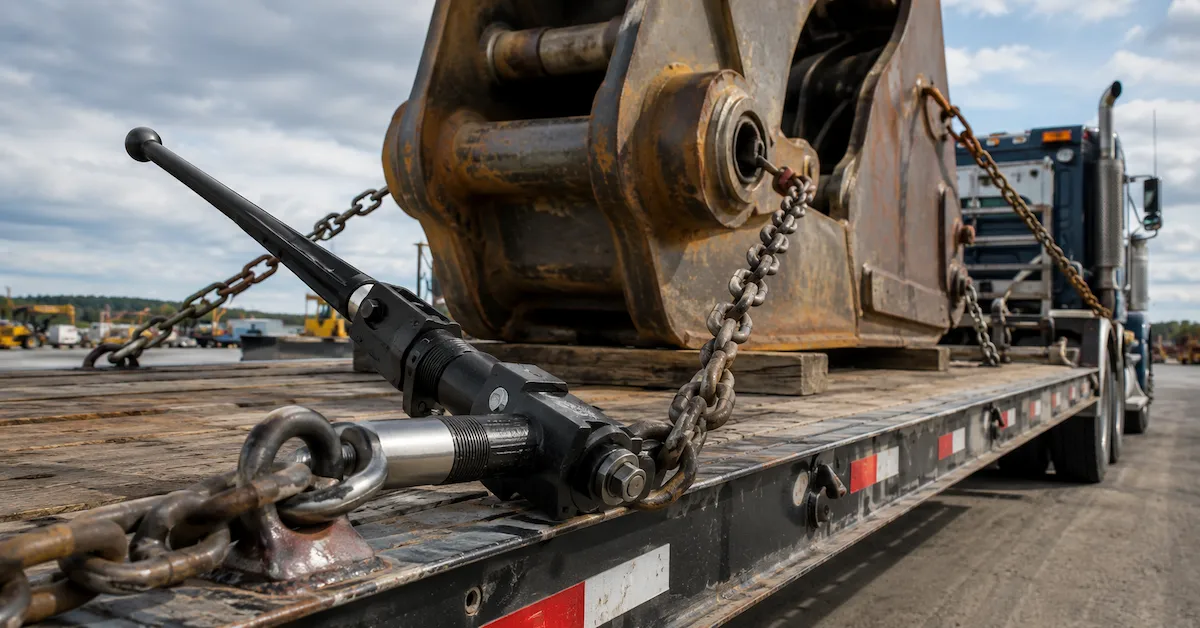
Torque Tensioner Manufacturer: B2B Guide to Controlled Cargo Tensioning
Choosing a torque tensioner manufacturer requires more than comparing purchase price or nominal capacity. This guide helps cargo-control distributors, transport-equipment buyers, OEM brands, and fleet procurement teams evaluate chain compatibility, WLL, tensioning control, forged construction, proof testing, batch consistency, and customization before placing bulk orders.
EU Type Load Binder Manufacturer: A Complete Guide for European Buyers
Choosing an EU type load binder manufacturer requires more than comparing product prices. This guide explains how European buyers evaluate load binder design, chain compatibility, manufacturing processes, quality control, OEM capability, and supplier reliability for cargo securement applications.