English


When heavy machinery works under continuous torque, vibration, and shock load, a small shaft problem can become a costly system failure. A reliable heavy duty torque shaft manufacturer does more than supply a metal component. It helps OEM buyers, machinery builders, and maintenance teams design a shaft that transfers rotational force safely, fits the equipment precisely, and performs consistently in demanding environments.
For industrial equipment, trailers, agricultural machinery, construction systems, and power transmission assemblies, the right torque shaft affects efficiency, alignment, fatigue life, and downtime. This guide explains how to evaluate heavy-duty torque shafts, what technical details to confirm before purchasing, and how to choose a manufacturer capable of OEM customization, quality control, and stable batch production.
What Is a Heavy Duty Torque Shaft?
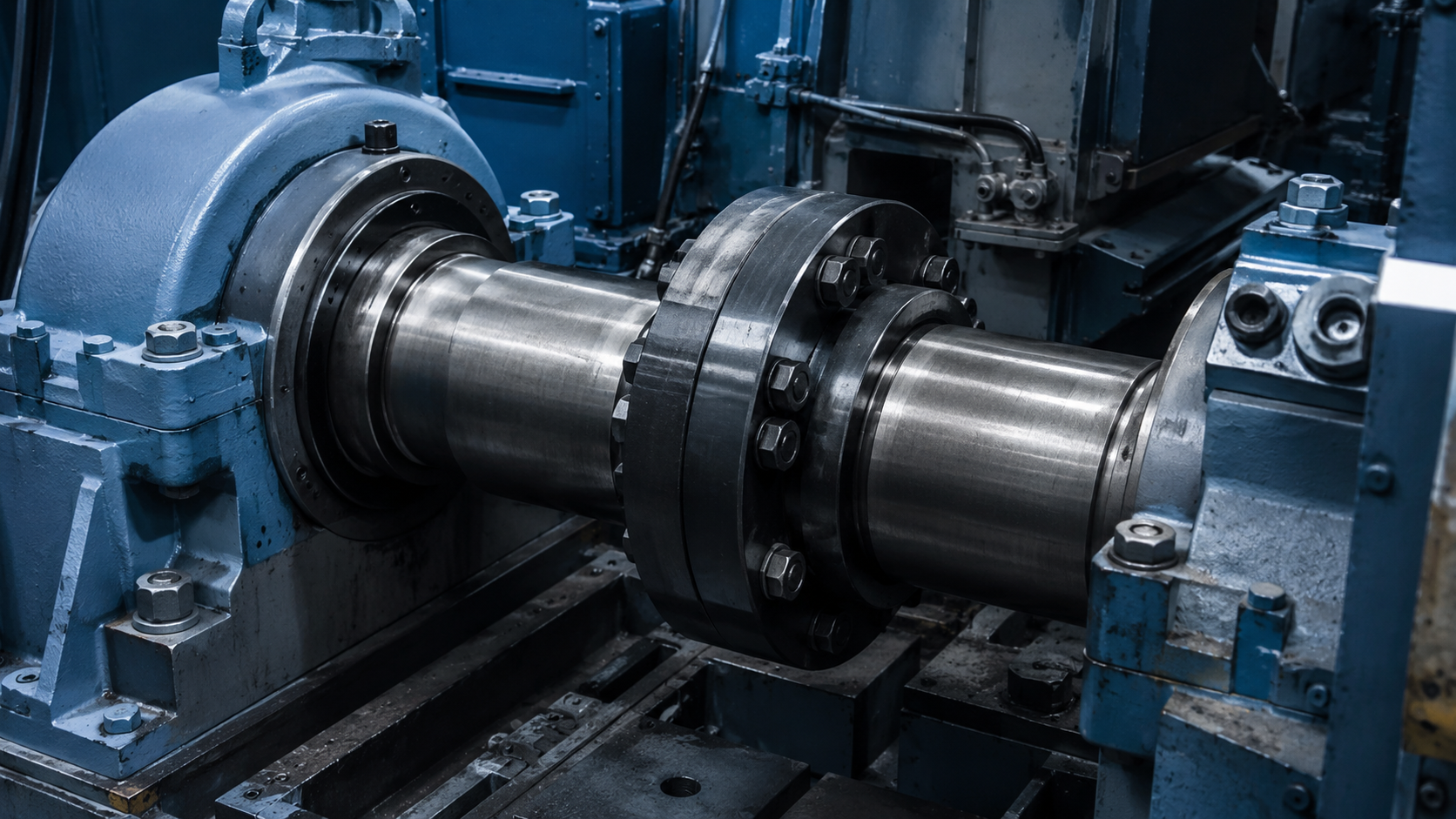
A heavy-duty torque shaft is a mechanical shaft designed to transmit rotational force between connected parts while maintaining alignment and stability under high load. Unlike general-purpose shafts, heavy-duty shafts must handle repeated torque cycles, vibration, impact, and long working hours.
A professional heavy duty torque shaft manufacturer normally designs the shaft around the real operating conditions of the equipment. Important inputs include torque load, rotational speed, working environment, connection type, installation space, required tolerance, and service life expectations.
For buyers comparing different shaft solutions, Zhongteli’s guide on industrial torque shaft factory selection explains how industrial shafts work in heavy machinery and continuous power transmission systems.
In simple terms, the shaft should not only fit the machine. It should fit the machine’s working conditions.
Who Needs a Heavy Duty Torque Shaft Manufacturer?
This product is best suited for buyers who need stable power transmission in mechanical systems where failure can stop production, damage equipment, or increase maintenance costs.
Typical buyers include:
- Heavy equipment OEM manufacturers
- Trailer and transport system builders
- Agricultural machinery suppliers
- Construction machinery manufacturers
- Conveyor and automation system integrators
- Industrial maintenance and replacement part buyers
- Importers and distributors of custom mechanical components
This solution is usually not necessary for low-load consumer products, decorative hardware, or simple non-rotating brackets. If your application has only occasional light movement, a standard shaft may be enough. If the shaft must work under high torque, repeated load, or harsh outdoor conditions, choosing a heavy duty torque shaft manufacturer becomes a much safer decision.
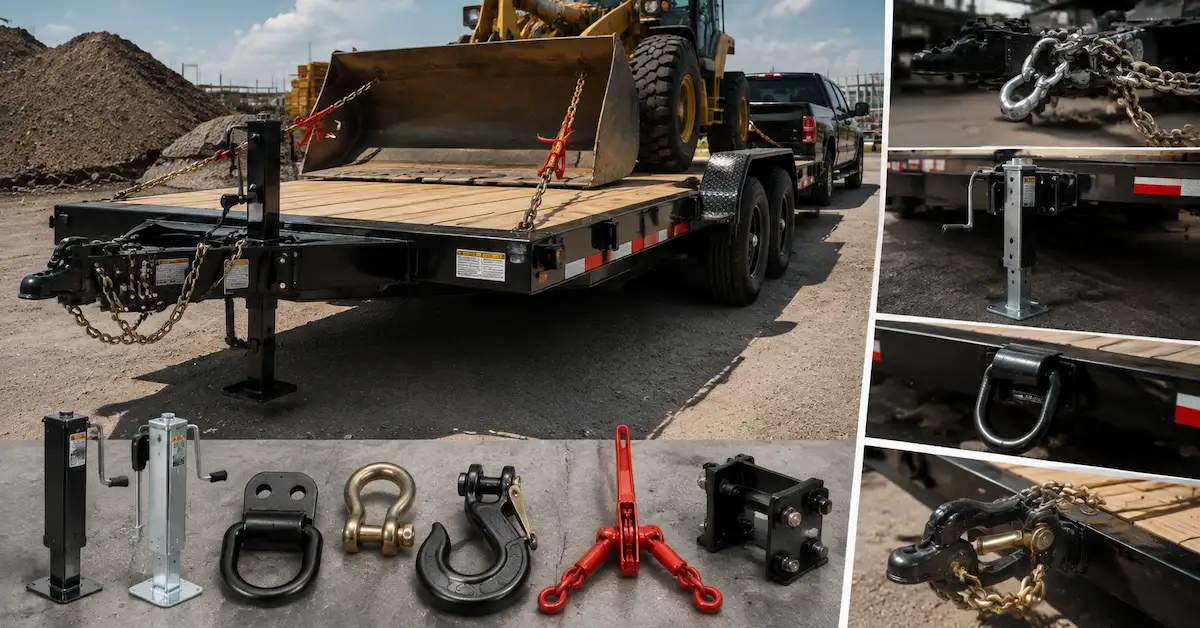
For trailer-related applications, you can also read Zhongteli’s article on trailer torque shaft supplier solutions to understand how torque shafts support movement, stability, and long-term durability in transport systems.
Why Standard Shafts Fail in Heavy-Duty Applications
Standard shafts are usually designed for general dimensions and moderate operating conditions. In heavy-duty systems, the real working environment is often more complex.
Common failure causes include:
- Torsional fatigue from repeated load cycles
- Surface wear caused by poor hardness or rough finish
- Vibration caused by imbalance or poor concentricity
- Misalignment caused by inaccurate dimensions
- Corrosion in outdoor, wet, or dusty environments
- Cracking caused by unsuitable steel grade or heat treatment
When these problems occur, the buyer may not only replace the shaft. They may also face downtime, labor cost, damaged bearings, unstable transmission, and customer complaints. That is why the lowest unit price is rarely the lowest total cost.
Buyers who need system-level power transmission components can also compare this article with Zhongteli’s guide on choosing a transmission shaft manufacturer.
Key Specifications to Confirm Before Ordering
Before contacting a heavy duty torque shaft manufacturer, buyers should prepare the main technical requirements. Clear information helps engineers recommend the right material, process, tolerance, and surface treatment.
| Item | What to Confirm | Why It Matters |
|---|---|---|
| Shaft length and diameter | Drawing, sample, or target dimensions | Determines fit and torque capacity |
| Torque load | Working torque and peak torque | Prevents fatigue and fracture |
| Rotational speed | RPM range and duty cycle | Affects balance and vibration control |
| Connection type | Spline, keyway, flange, thread, groove, or custom interface | Ensures system compatibility |
| Material grade | Carbon steel, alloy steel, 40Cr, 42CrMo, or equivalent | Affects strength and fatigue resistance |
| Heat treatment | Quenching, tempering, induction hardening, or other process | Improves hardness and service life |
| Tolerance | Diameter, runout, straightness, concentricity | Controls alignment and assembly quality |
| Surface finish | Turning, grinding, polishing, coating | Reduces wear and improves corrosion resistance |
| Testing requirement | Dimensional inspection, load testing, balancing | Confirms batch consistency |
| Packaging | Anti-rust protection, labels, cartons, pallets | Protects export shipment quality |
If drawings are not available, a qualified manufacturer should still be able to work from samples, application requirements, or equipment parameters. However, the more precise the input, the easier it is to control cost and lead time.
For high-accuracy projects, Zhongteli’s precision torque shaft factory content is a useful supporting page for readers who care about tolerances, machining accuracy, and batch consistency.
Materials and Workmanship: What Defines a Strong Shaft?
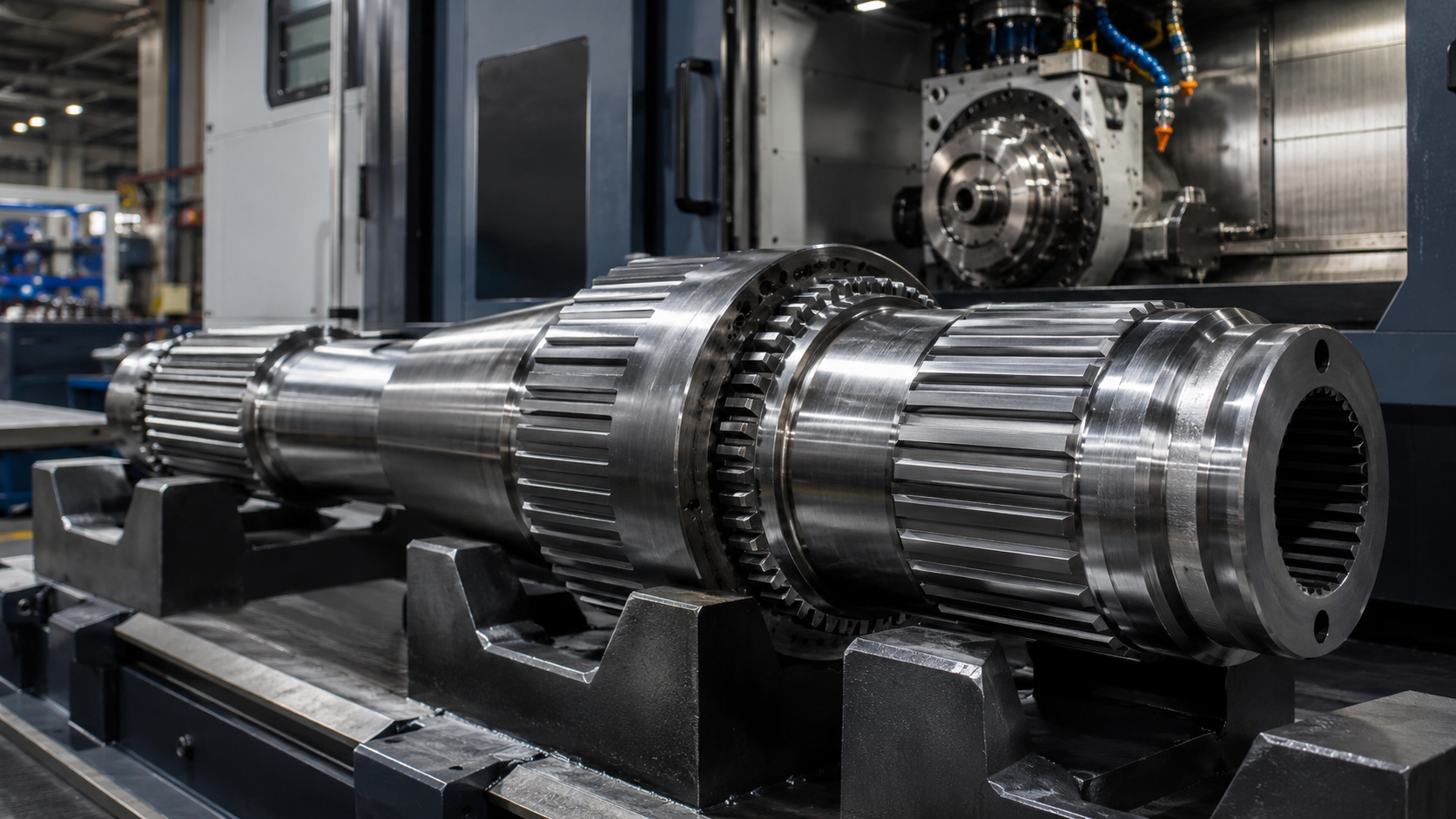
Heavy-duty torque shafts are commonly produced from high-strength carbon steel or alloy steel. In many industrial applications, alloy steels such as 40Cr or 42CrMo are used because they provide better strength, toughness, and fatigue resistance than ordinary low-grade steel.
Material selection should never be separated from heat treatment. A good steel grade can still fail if hardness, core toughness, or stress control is poor. Heat treatment helps improve mechanical performance, while CNC machining and grinding help achieve dimensional accuracy and smooth surface finish.
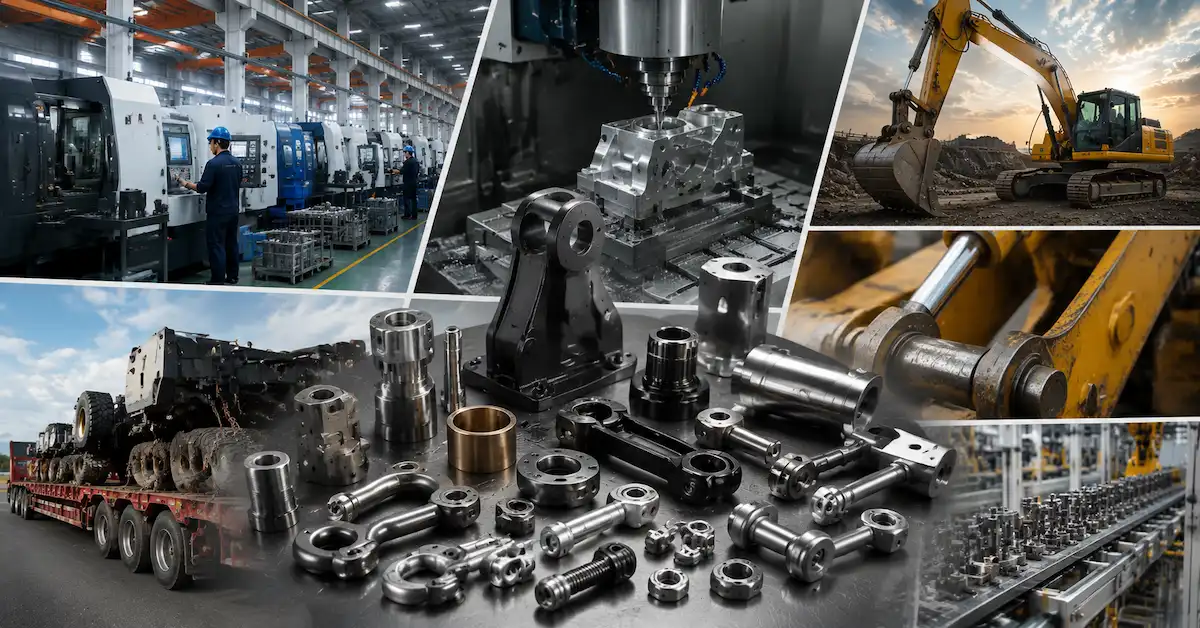
A reliable heavy duty torque shaft manufacturer should control the full process:
- Material sourcing and verification
- Cutting, forging, or blank preparation
- CNC turning and milling
- Spline, keyway, thread, or interface machining
- Heat treatment according to performance requirements
- Straightening, grinding, and finishing
- Surface treatment for corrosion resistance
- Final inspection and packaging
This process matters because torque shafts are not judged only by appearance. Their value is proven under load, rotation, and long-term use.
For buyers who need non-standard shaft geometry, connection interfaces, or application-specific materials, Zhongteli’s custom torque shaft OEM solutions explain how custom design can improve fit, power transmission stability, and system compatibility.
Quality Control and Testing Standards
For heavy-duty shafts, quality control should cover both material and performance. Buyers should ask whether the manufacturer can provide inspection reports, material certificates, and process control records when required.
Important QC points include:
- Chemical composition or material certificate review
- Hardness testing after heat treatment
- Dimensional inspection for critical surfaces
- Runout and straightness inspection
- Surface finish and coating verification
- Dynamic balancing for rotating applications
- Load or functional testing for demanding systems
- Batch traceability for OEM orders
International standards can also support buyer confidence. ISO 286-1:2010 is related to tolerances, deviations, and fits for linear sizes. ASTM A29/A29M-23 covers general requirements for carbon and alloy steel bars. For rotating components, ISO 21940-11:2016 addresses procedures and tolerances for balancing rotors with rigid behavior.
A manufacturer does not need to list every standard on a website. But a serious supplier should understand tolerance, material, testing, and balancing requirements well enough to communicate with engineers and OEM buyers.
Application Scenarios for Heavy-Duty Torque Shafts
Heavy-duty torque shafts are used wherever rotational force must be transferred reliably under difficult conditions.
Common applications include:
- Construction machinery exposed to shock load and dust
- Agricultural machinery working in soil, mud, vibration, and seasonal outdoor use
- Trailer and transport systems requiring stable force transfer
- Conveyor and automation systems operating for long hours
- Heavy industrial machinery with continuous load cycles
- Automotive or drivetrain-related assemblies
- OEM mechanical systems with special geometry or mounting requirements
In each case, the best shaft design depends on the actual load path. A shaft for a conveyor system may prioritize concentricity and continuous rotation. A shaft for construction machinery may prioritize impact resistance and surface durability. A shaft for a trailer system may prioritize fit, coating, and vibration control.
For readers who want to explore Zhongteli’s broader manufacturing and rigging product range, visit the Zhongteli product page.
Heavy-Duty Shaft vs Standard Shaft vs Custom OEM Shaft
| Type | Features | Advantages | Limitations | Best For |
|---|---|---|---|---|
| Standard shaft | Common dimensions and general material | Fast sourcing, lower initial cost | Limited fit, limited performance control | Low to moderate load systems |
| Heavy-duty torque shaft | Stronger material, better machining, heat treatment | Higher durability and load capacity | Requires more technical confirmation | Industrial machinery and heavy equipment |
| Custom OEM torque shaft | Application-specific design, custom interface, controlled batch production | Best fit, optimized performance, branding and packaging options | Higher engineering input required | OEM equipment, export projects, replacement programs |
For buyers who need repeat orders, private-label packaging, or system-specific geometry, a custom OEM solution is usually more reliable than buying a standard shaft and modifying it later.
If your project involves broader mechanical power transmission, Zhongteli’s article on mechanical torque shaft exporter capabilities can support additional reading around material strength, power transfer, and export supply.
Cost Factors Buyers Should Understand
The price of a heavy-duty torque shaft depends on more than size. A professional quote normally considers material grade, diameter, length, machining complexity, tolerance level, heat treatment, surface coating, testing, order quantity, and packaging.
Key cost drivers include:
- Alloy steel grade and raw material price
- Spline, keyway, thread, or flange complexity
- Tight runout or concentricity requirements
- Grinding and surface finish requirements
- Heat treatment depth and hardness target
- Anti-corrosion coating or special surface treatment
- Testing, documentation, and export packaging
- Batch quantity and delivery schedule
A reliable heavy duty torque shaft manufacturer should explain these cost factors clearly. Transparent communication helps buyers avoid over-engineering, under-specifying, and unexpected project delays.
How to Choose the Right Manufacturer
When evaluating suppliers, do not judge only by whether they can produce a shaft. Judge whether they can support your project from technical confirmation to stable delivery.
Use this checklist:
- Does the supplier understand torque load, fit, and working environment?
- Can they recommend materials and heat treatment based on application?
- Do they support CAD drawings, samples, or custom interfaces?
- Can they control machining, grinding, and balancing quality?
- Do they provide inspection before shipment?
- Do they have experience with export packaging and international buyers?
- Can they support batch repeatability for OEM orders?
- Is communication clear during quotation, sampling, and production?
A heavy duty torque shaft manufacturer with engineering support can help reduce project risk before mass production begins.
Why Work with Ningbo Zhongteli Rigging Co., Ltd.?
Ningbo Zhongteli Rigging Co., Ltd. is a professional manufacturer focused on rigging equipment, trailer jacks, torque shafts, forged hooks, and related industrial products for global customers. The company emphasizes safety, reliability, and innovation, with products exported to multiple international markets.
For torque shaft buyers, Zhongteli’s value is not only product supply. The company provides custom services, requirement analysis, solution design, production manufacturing, and quality assurance for industrial applications.
As a heavy duty torque shaft manufacturer, Zhongteli can support buyers who need high-strength materials, precision machining, heat treatment, surface protection, OEM customization, and export-ready delivery.
OEM and Customization Options
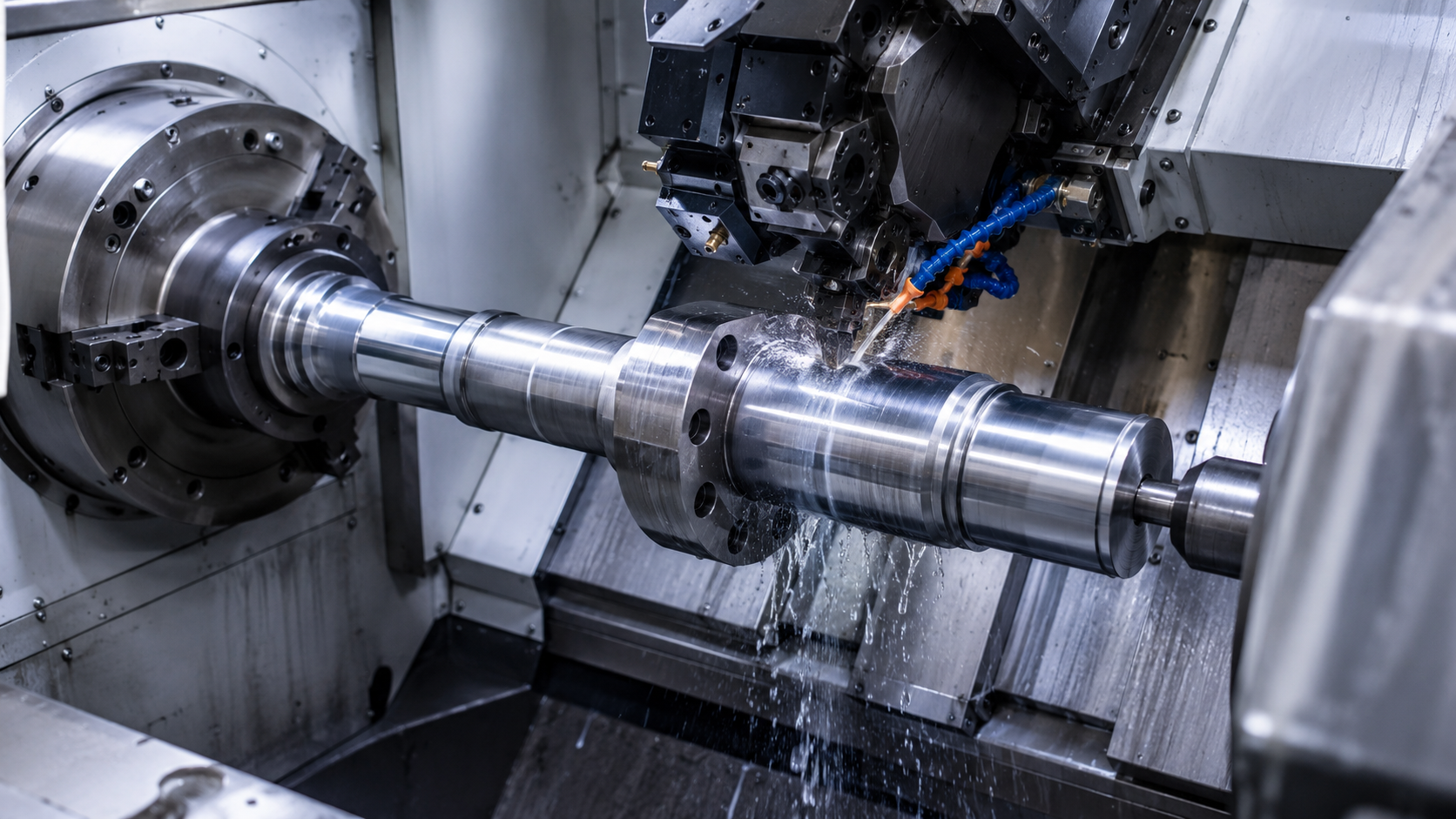
Industrial buyers often need shafts that match specific equipment rather than catalog dimensions. OEM customization may include:
- Custom length and diameter
- Spline, keyway, groove, thread, or flange design
- Specific steel grade or equivalent material
- Heat treatment and hardness targets
- Anti-corrosion coating for outdoor environments
- Custom labels, packaging, and batch identification
- Sample production before mass order
- Inspection documentation for quality review
This is especially important for equipment manufacturers who need consistent parts across production batches. A stable shaft design improves assembly efficiency, reduces field failure risk, and supports long-term maintenance planning.
For more information about Zhongteli’s company background, factory strength, and global service capability, visit the About Us page.
FAQ
Q1. What does a heavy duty torque shaft manufacturer do?
A heavy duty torque shaft manufacturer designs and produces shafts that transmit rotational force under high load, vibration, and continuous operation. The work usually includes material selection, machining, heat treatment, finishing, inspection, and OEM customization.
Q2. What materials are commonly used for heavy-duty torque shafts?
Common options include carbon steel and alloy steel. For demanding applications, materials such as 40Cr or 42CrMo may be selected because they offer stronger mechanical performance after proper heat treatment.
Q3. When should I choose a custom torque shaft instead of a standard shaft?
Choose a custom shaft when your equipment has special torque load, installation space, connection interface, tolerance, or environmental requirements that a standard shaft cannot meet. You can learn more from Zhongteli’s guide to custom torque shaft OEM solutions.
Q4. What information should I provide for a quotation?
Provide drawings, samples, shaft dimensions, torque load, RPM, connection type, material requirement, surface treatment, quantity, and application environment. If you do not have drawings, provide equipment photos and working conditions.
Q5. Why is heat treatment important?
Heat treatment improves hardness, strength, toughness, and fatigue resistance. For heavy-duty systems, proper heat treatment helps reduce wear, deformation, and premature failure.
Q6. Do heavy-duty torque shafts need dynamic balancing?
Dynamic balancing is recommended for shafts used in rotating systems where vibration, noise, bearing wear, or high-speed operation is a concern.
Q7. What affects the service life of a torque shaft?
Service life depends on material grade, heat treatment, surface finish, load conditions, alignment, lubrication, corrosion exposure, and maintenance practices.
Q8. Can Zhongteli support OEM packaging and batch production?
Yes. OEM customization can include product dimensions, interfaces, surface coating, packaging, labels, and batch requirements for global buyers.
Q9. What industries use heavy-duty torque shafts?
They are commonly used in construction machinery, agricultural equipment, trailer systems, industrial machinery, conveyor systems, automation equipment, and drivetrain assemblies.
Q10. How can I start a project with Zhongteli?
Send your drawings, samples, or application requirements to the Zhongteli team. The team can review your needs, recommend a solution, and provide a quotation for custom or batch production. For technical consultation or quotation requests, visit the Zhongteli Contact Us page.
Built for Load, Precision, and Long-Term Reliability
Choosing the right heavy duty torque shaft manufacturer helps protect your equipment from vibration, wear, misalignment, and downtime. For OEM buyers and industrial equipment suppliers, the best shaft is not simply the strongest one. It is the one that matches the load, fit, environment, and production requirements of the system.
If you need a custom torque shaft for heavy equipment, trailer systems, agricultural machinery, or industrial power transmission, contact Ningbo Zhongteli Rigging Co., Ltd. for technical support, OEM solutions, and export-ready manufacturing.