English


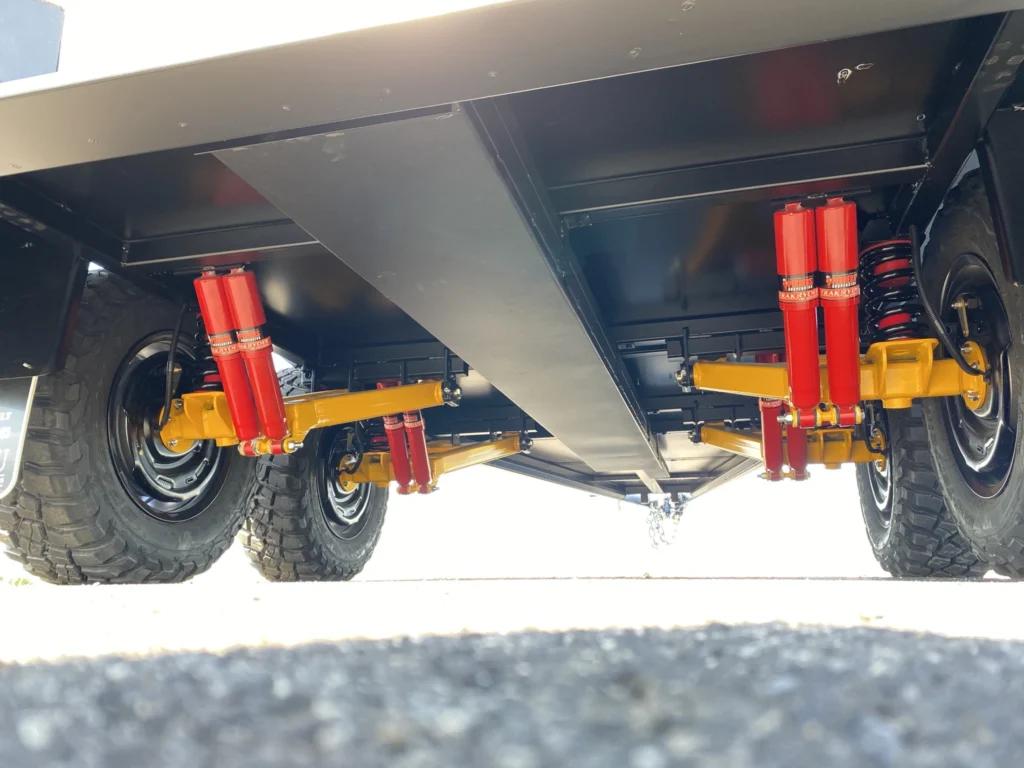
Torsion Axles Built for Smooth Suspension and Load Stability in Trailer Systems
In trailer systems, load stability is not just about strength — it is about control.
When a trailer moves across uneven terrain, the suspension system determines whether the load remains stable or begins to shift.
At the center of this system is the torsion axle.
Unlike traditional suspension systems, torsion axles absorb shock internally, delivering smoother performance and reduced vibration.
For buyers sourcing from a torsion axle manufacturer, the focus is clear:
👉 Stability, durability, and consistent performance under real-world conditions.
Why Traditional Suspension Systems Fall Short
Leaf spring systems have been widely used, but they come with limitations in modern applications.
Common issues include:
- High vibration transfer to cargo
- Increased wear from metal-to-metal contact
- Noise during operation
- Complex maintenance requirements
In contrast, torsion axles provide a more controlled response to road conditions.
According to Society of Automotive Engineers, suspension systems must effectively absorb dynamic loads to improve safety and component lifespan.
How Torsion Axles Work
Torsion axles use rubber cords or elastomer elements inside a square or round tube.
When the wheel moves, the inner shaft rotates slightly, compressing the rubber and absorbing energy.
Key advantages include:
- Independent wheel suspension
- Reduced vibration transfer
- Smooth load handling
- Minimal maintenance
This design eliminates the need for external springs, making the system more compact and efficient.
Torsion Axle vs Leaf Spring Axle
| Feature | Torsion Axle | Leaf Spring Axle |
|---|---|---|
| Suspension Type | Independent | Linked |
| Ride Quality | Smooth | Rougher |
| Maintenance | Low | Higher |
| Noise | Minimal | Noticeable |
| Installation | Compact | Larger system |
Torsion axles are increasingly preferred for applications requiring stability and reduced vibration.
What Defines a Reliable Manufacturer
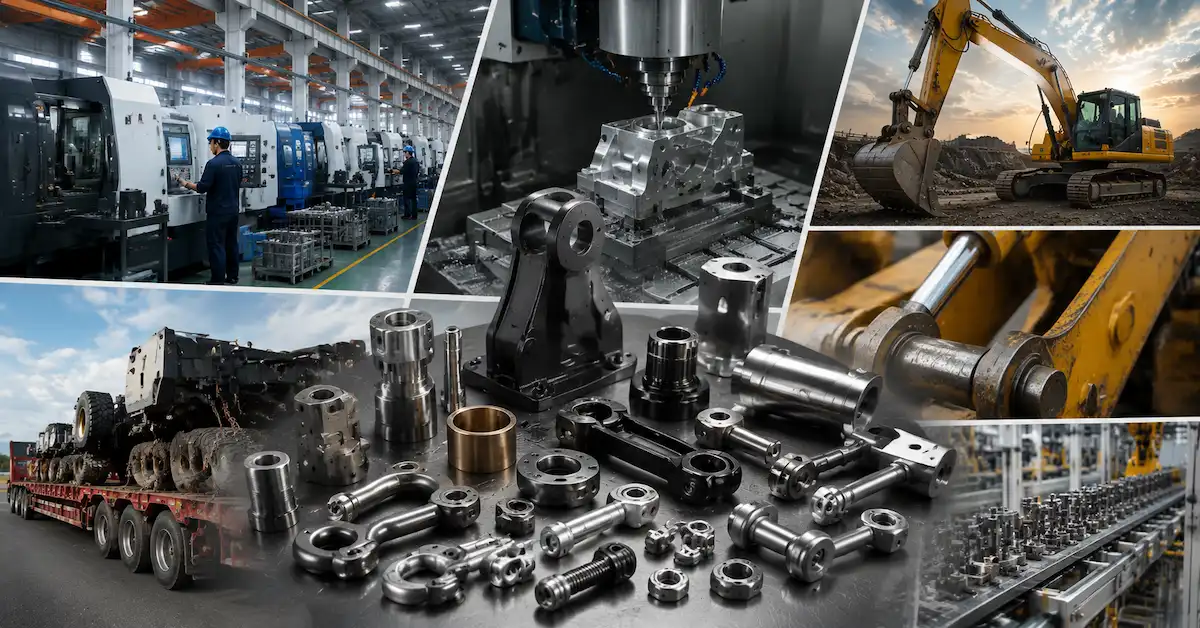
A professional torsion axle manufacturer must ensure both structural strength and suspension performance.
Key capabilities include:
- Precision tube fabrication
- Rubber formulation and bonding
- Load testing and fatigue testing
- Corrosion protection
- OEM customization for trailer systems
Standards from International Organization for Standardization guide durability and testing for mechanical systems.
Application Scenarios
Torsion axles are widely used in trailer and transport systems:
- Utility Trailers — smooth cargo transport
- Boat Trailers — corrosion-resistant suspension
- RV Trailers — improved ride comfort
- Agricultural Trailers — uneven terrain performance
- Industrial Transport Systems — heavy load stability
Each application benefits from reduced vibration and improved load control.
Selection Guide
| Application | Axle Type | Material | Suspension | Capacity |
|---|---|---|---|---|
| Utility Trailer | Torsion Axle | Steel | Rubber | 1–3T |
| Boat Trailer | Sealed Axle | Galvanized | Rubber | 2–5T |
| RV Trailer | Heavy Duty Axle | Alloy Steel | Torsion | 3–7T |
| Industrial | Custom Axle | Custom | Custom | As required |
Choosing the right axle depends on load weight, terrain, and usage frequency.
FAQ
Q1: What is the main advantage of a torsion axle?
Smoother suspension and reduced vibration compared to traditional systems.
Q2: Are torsion axles maintenance-free?
They require less maintenance but should still be inspected periodically.
Q3: Can torsion axles be customized?
Yes, OEM customization is common for trailer manufacturers.
Q4: Are they suitable for heavy loads?
Yes, depending on design and material specifications.
Stability Starts from the Suspension
A trailer’s performance is defined by how it handles movement.
Torsion axles provide smoother rides, better load stability, and longer component lifespan.
Choosing a reliable torsion axle manufacturer ensures that your trailer systems perform consistently — even under demanding conditions.
🔗 Explore More
For specifications, OEM solutions, or product details:
👉 https://www.ztlrigging.com/
For quotations or technical consultation:
👉 https://www.ztlrigging.com/contact-us