English


Understanding the Role of a Mechanical Torque Shaft Exporter in Global Industry
In the world of industrial machinery and automotive engineering, the mechanical torque shaft exporter plays a pivotal role in ensuring that high-performance components reach markets worldwide. As businesses seek reliable suppliers for torque transmission solutions, partnering with a trusted mechanical torque shaft exporter becomes essential for seamless operations and superior efficiency. These exporters specialize in delivering precision-engineered shafts that are crucial for converting rotational energy into linear motion, powering everything from conveyor systems to vehicle drivetrains.
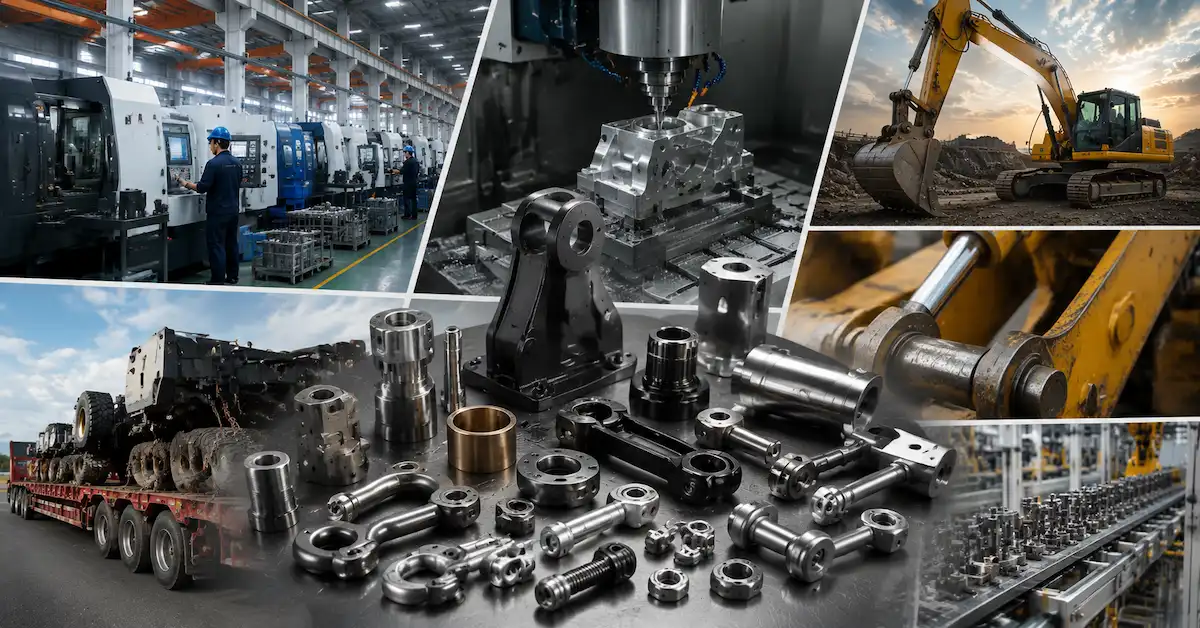
Mechanical torque shafts are engineered marvels, often crafted from high-strength materials like polished steel to withstand extreme conditions. As a mechanical torque shaft exporter, the focus is on quality sourcing and timely distribution, ensuring that industries receive products that minimize friction and maximize power transfer. This expertise not only supports manufacturing hubs but also fosters innovation in sectors demanding robust mechanical solutions.
Key Features of High-Quality Mechanical Torque Shafts
When sourcing from a reputable mechanical torque shaft exporter, one of the standout features to look for is the use of advanced materials that guarantee longevity. These shafts, typically made from durable alloys, resist corrosion and fatigue, making them ideal for heavy-duty applications in construction equipment and manufacturing lines. The precision in design, including finely machined teeth, allows for efficient torque transmission, reducing energy loss and enhancing overall system performance.
Another critical aspect is the customization options available through leading mechanical torque shaft exporters. Whether you need shafts with specific lengths, diameters, or spline configurations, these suppliers can tailor products to meet exact specifications. This flexibility ensures compatibility with diverse machinery, from agricultural harvesters to industrial robots, while maintaining the high standards that prevent premature wear and operational disruptions.
The integration of modern manufacturing techniques, such as CNC machining, further elevates the quality of mechanical torque shafts. Exporters who prioritize this technology deliver components with tolerances as tight as a few microns, ensuring smooth rotation and minimal vibration. This level of precision not only boosts reliability but also contributes to energy savings, making these shafts a cost-effective choice for long-term industrial use.
The Advantages of Partnering with a Mechanical Torque Shaft Exporter
Choosing the right mechanical torque shaft exporter offers businesses a competitive edge through reliable supply chains and expert support. These exporters often maintain extensive inventories, allowing for quick deliveries that keep production lines running without interruption. In an era where downtime can cost thousands per hour, this efficiency translates directly to bottom-line savings and enhanced productivity.
Moreover, a seasoned mechanical torque shaft exporter provides comprehensive quality assurance, including certifications like ISO standards, which verify that every shaft meets international benchmarks. This peace of mind is invaluable for companies exporting their own finished goods, as it ensures compliance with global regulations and reduces the risk of recalls or failures in the field.
Beyond logistics, mechanical torque shaft exporters often offer technical guidance, helping clients select the optimal shaft for their applications. For instance, in automotive sectors, shafts designed for high-torque engines must handle intense stresses without deforming. Exporters with engineering teams can recommend enhancements like heat treatments or surface coatings, extending the lifespan of these critical components and supporting sustainable practices by reducing replacement needs.
Applications of Mechanical Torque Shafts Across Industries
Mechanical torque shafts find their place in a multitude of industries, underscoring the importance of a dependable mechanical torque shaft exporter. In the automotive realm, they are integral to transmissions and differentials, where precise torque delivery is key to vehicle performance and safety. Exporters specializing in this niche ensure that shafts are engineered to handle the rigors of high-speed operations, contributing to smoother rides and fuel efficiency.
In heavy machinery, such as mining excavators or wind turbine gearboxes, mechanical torque shafts must endure massive loads and environmental challenges. A reliable exporter sources shafts with reinforced designs that prevent slippage and maintain alignment, even under continuous use. This durability is crucial for industries where equipment reliability directly impacts output and profitability.
Emerging sectors like renewable energy and robotics also benefit from advanced mechanical torque shafts. For example, in solar tracking systems, these shafts enable precise adjustments to maximize energy capture. As a mechanical torque shaft exporter, bridging the gap between innovative designs and practical implementation allows for the growth of green technologies, aligning with global sustainability goals.
Future Trends in Mechanical Torque Shaft Exportation
Looking ahead, the mechanical torque shaft exporter landscape is evolving with technological advancements and shifting market demands. The rise of electric vehicles is driving demand for lightweight, high-efficiency shafts made from composite materials, challenging exporters to innovate while maintaining strength. Those who invest in R&D will lead in supplying next-generation components that support electrification trends.
Sustainability is another key driver, with exporters increasingly focusing on eco-friendly production methods, such as recycling scrap metals and reducing carbon footprints in manufacturing. A forward-thinking mechanical torque shaft exporter not only complies with environmental regulations but also helps clients achieve their green objectives, fostering long-term partnerships.
Global trade dynamics, including tariffs and supply chain disruptions, emphasize the need for diversified sourcing. Exporters with a broad network can mitigate risks, ensuring consistent availability of mechanical torque shafts regardless of geopolitical shifts. As industries digitize, integrating smart sensors into shafts for real-time monitoring could become standard, with exporters at the forefront of this smart manufacturing revolution.
In summary, engaging with a proficient mechanical torque shaft exporter ensures access to top-tier products that drive industrial success. From precision engineering to global distribution, these specialists are indispensable in powering the machinery of tomorrow.