English


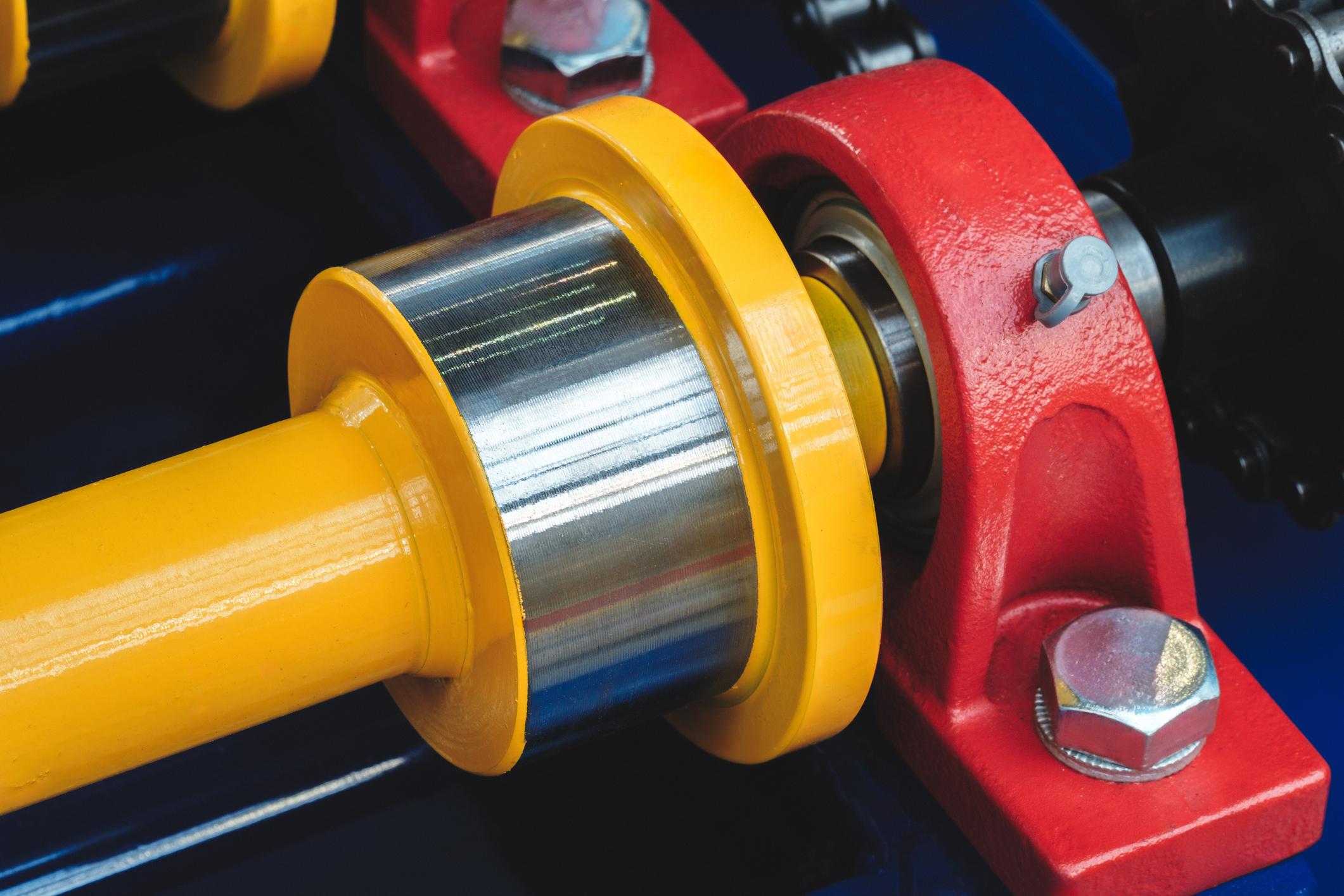
Mechanical Torque Shafts Engineered for Reliable Power Transmission in Global Industrial Applications
In industrial systems, power must move — efficiently, consistently, and without interruption.
At the center of this movement is the mechanical torque shaft, a component responsible for transferring rotational force between connected systems.
When performance drops, the root cause is often hidden inside the transmission system.
Misalignment, material weakness, or machining errors can all reduce efficiency.
That is why sourcing from a reliable mechanical torque shaft exporter is critical — especially for global OEM and industrial applications where consistency matters.
Why Torque Transmission Fails in Real Conditions
In theory, shafts rotate smoothly.
In reality, they face vibration, load variation, and environmental stress.
Common failure issues include:
- Torsional fatigue under repeated load cycles
- Shaft bending due to misalignment
- Surface wear leading to reduced efficiency
- Imbalance causing vibration and noise
According to American Society of Mechanical Engineers, rotating components must maintain both strength and dimensional accuracy to ensure stable power transmission.
How Mechanical Torque Shafts Are Manufactured
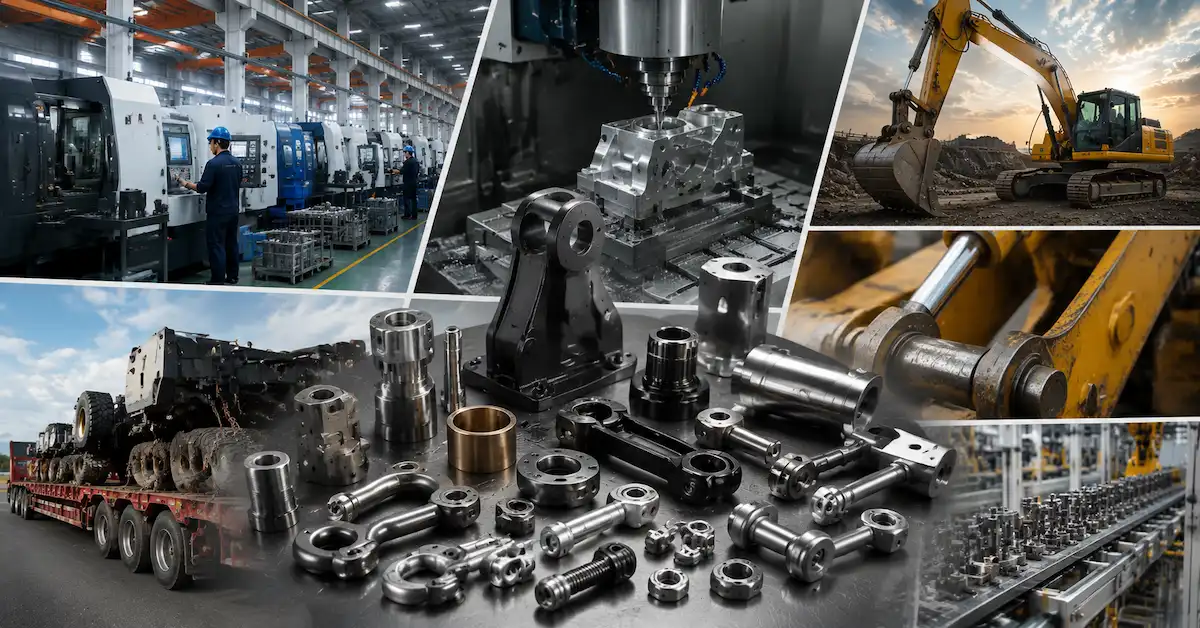
A high-performance shaft is the result of material engineering + precision machining.
Key production processes include:
- Alloy steel selection (40Cr / 42CrMo)
- Heat treatment to improve torsional strength
- CNC machining for dimensional accuracy
- Grinding for surface finish and tolerance
- Dynamic balancing to reduce vibration
These processes ensure the shaft can handle continuous rotation and dynamic torque loads.
Standards from International Organization for Standardization define tolerances and performance requirements for mechanical shafts.
Torque Shaft vs Standard Shaft
| Feature | Torque Shaft | Standard Shaft |
|---|---|---|
| Function | Power transmission | General rotation |
| Precision | High | Moderate |
| Load Type | Torsional + dynamic | Basic |
| Performance | Stable | Variable |
| Application | Industrial systems | General machinery |
Torque shafts are designed for force transfer, not just motion.
What Defines a Reliable Exporter
A professional mechanical torque shaft exporter must ensure consistency across international supply chains.
Key capabilities include:
- Material traceability and certification
- Precision CNC machining
- Heat treatment control
- Dynamic balancing and inspection
- Export packaging and logistics capability
- OEM customization support
Research from SAE International shows that proper material treatment significantly increases fatigue resistance in rotating components.
Application Scenarios
Mechanical torque shafts are used across a wide range of industries:
- Industrial Machinery — conveyors, presses
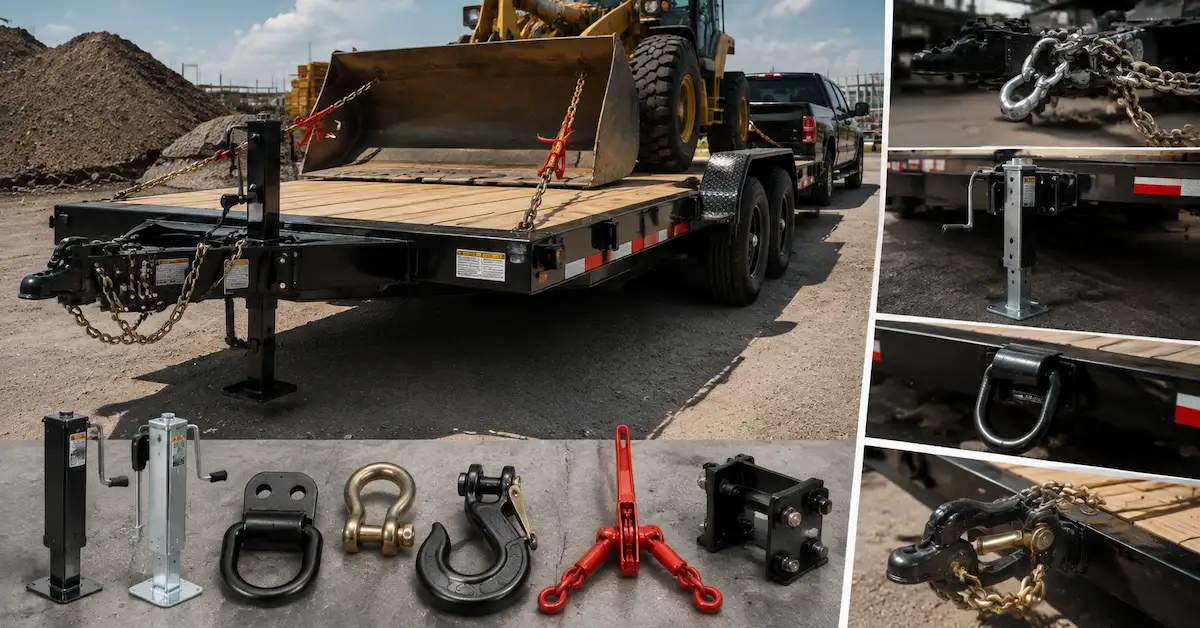
- Transport Systems — trailers and vehicles
- Agricultural Equipment — PTO systems
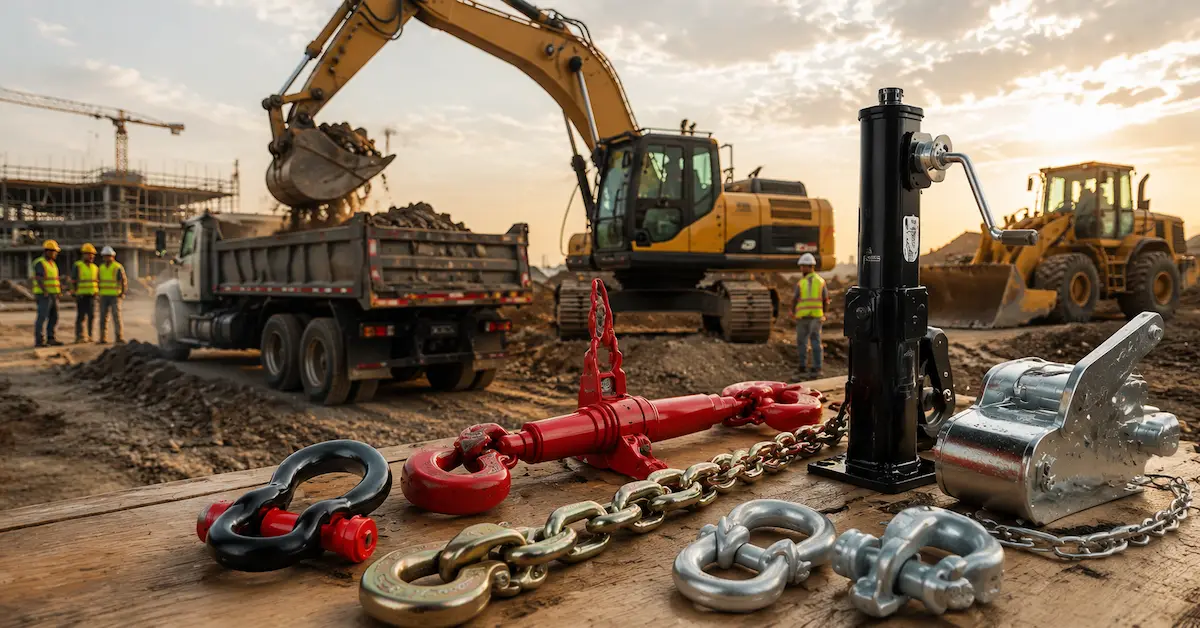
- Construction Equipment — heavy-duty machinery
- OEM Equipment — integrated transmission systems
Each application requires shafts that can maintain performance under load and time.
Selection Guide
| Application | Shaft Type | Material | Treatment | Use |
|---|---|---|---|---|
| Machinery | Solid Shaft | 42CrMo | Hardened | Torque transfer |
| Transport | Drive Shaft | Alloy Steel | Quenched | Load transmission |
| Agriculture | PTO Shaft | Carbon Steel | Coated | Equipment drive |
| OEM | Custom Shaft | Custom Alloy | Custom | Integrated system |
Selecting the right shaft depends on torque load, speed, and operating environment.
FAQ
Q1: What is a mechanical torque shaft?
A shaft designed to transmit rotational force between mechanical components.
Q2: What materials are used?
Typically alloy steels such as 40Cr and 42CrMo.
Q3: How is shaft durability improved?
Through heat treatment, machining precision, and surface finishing.
Q4: Can shafts be customized?
Yes, OEM customization is widely supported.
Power Transmission You Can Rely On
Mechanical torque shafts are fundamental to industrial performance.
Their strength, precision, and durability determine how efficiently systems operate over time.
Choosing a reliable mechanical torque shaft exporter ensures consistent quality, stable performance, and dependable global supply.
🔗 Explore More
For specifications, OEM customization, or product solutions:
👉 https://www.ztlrigging.com/
For quotations or technical consultation:
👉 https://www.ztlrigging.com/contact-us