English


What Is an Indirect Load Binder?
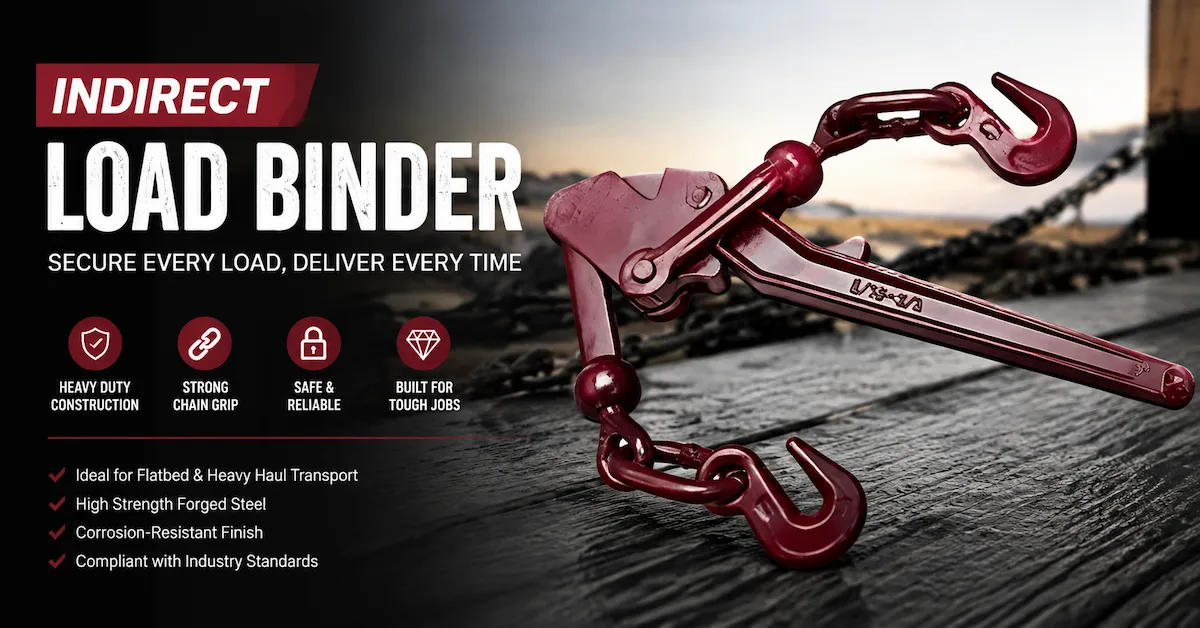
An indirect load binder is a type of chain tensioning device used in cargo securement systems to tighten chains and reduce slack between cargo and anchoring points.
Unlike direct connection systems where the binder may connect directly between fixed points, indirect securement uses chains and tensioning devices as part of a complete tie-down arrangement to apply holding force across the cargo.
For professional buyers, understanding the role of an indirect load binder is important because the binder is not an independent safety component. Its performance depends on the entire securement system, including:
- Chain grade
- Chain diameter
- Hook design
- Anchor points
- Working Load Limit (WLL)
- Cargo weight
- Transportation conditions
ZTL Rigging provides different types of Load Binder solutions for cargo securement applications, including lever, ratchet, folding handle, indirect, and other customized solutions.
For distributors and OEM buyers, selecting the right indirect load binder supplier means evaluating not only product availability but also manufacturing capability, quality consistency, and long-term supply reliability.
How Does an Indirect Load Binder Work?
The main function of an indirect load binder is to create tension within a chain tie-down system.
During transportation, cargo may experience:
- Acceleration forces
- Braking forces
- Turning forces
- Road vibration
- Impact loads
A properly selected binder helps remove chain slack and maintain secure tension during transport.
The general working process includes:
- Chain placement around or through the cargo
- Connection of chain hooks to suitable attachment points
- Installation of the binder
- Mechanical tightening of the chain
- Inspection of the completed securement system
The binder itself does not determine the complete system strength.
According to FMCSA cargo securement requirements, the tiedown system must be properly rated and maintained to prevent cargo movement during transportation.
(FMCSA Cargo Securement Rules)
This is why professional buyers evaluate the binder together with the complete chain assembly.
Why Do Buyers Choose Indirect Load Binders?
Indirect load binders are commonly selected because they provide a practical method for tightening chain-based cargo securement systems.
Main Advantages
Flexible Cargo Securement
Indirect systems can adapt to different cargo shapes and transportation situations.
Typical applications include:
- Heavy machinery
- Construction equipment
- Steel products
- Industrial components
- Agricultural equipment
Better Load Adjustment
A quality binder allows operators to adjust chain tension according to the actual cargo configuration.
Compatibility With Commercial Transport
Many transportation companies use chain and binder combinations because they provide a durable solution for repeated heavy-duty applications.
Suitable for Professional B2B Applications
Indirect load binders are commonly purchased by:
- Trucking companies
- Equipment transport companies
- Cargo-control distributors
- Industrial hardware wholesalers
- Trailer accessory suppliers
Common Applications of Indirect Load Binders
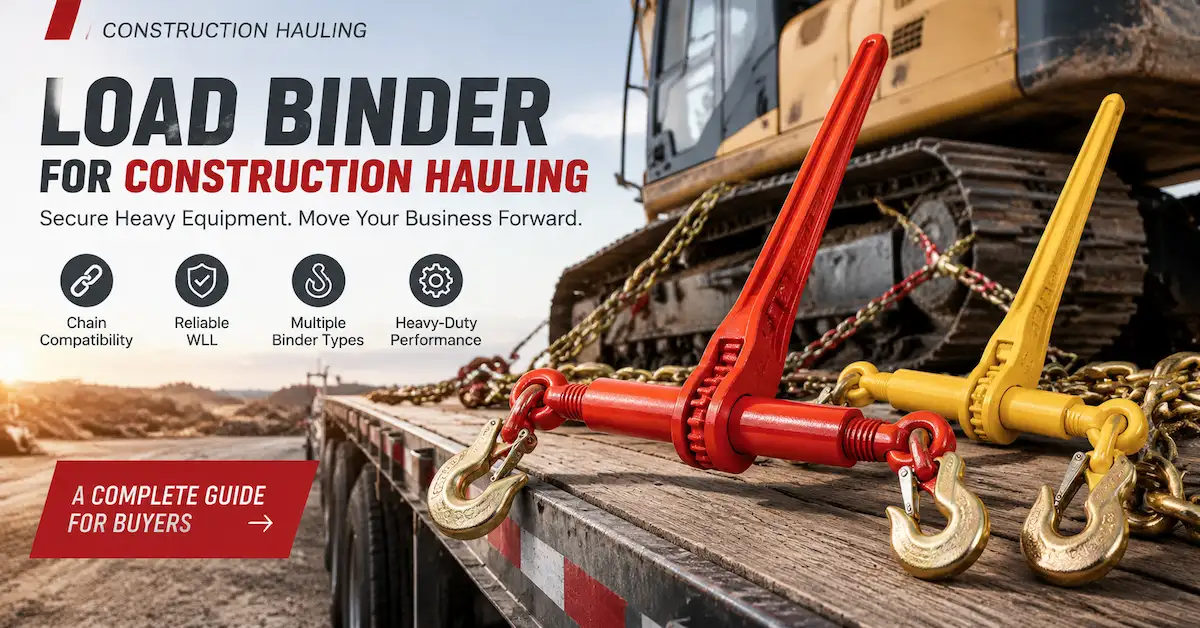
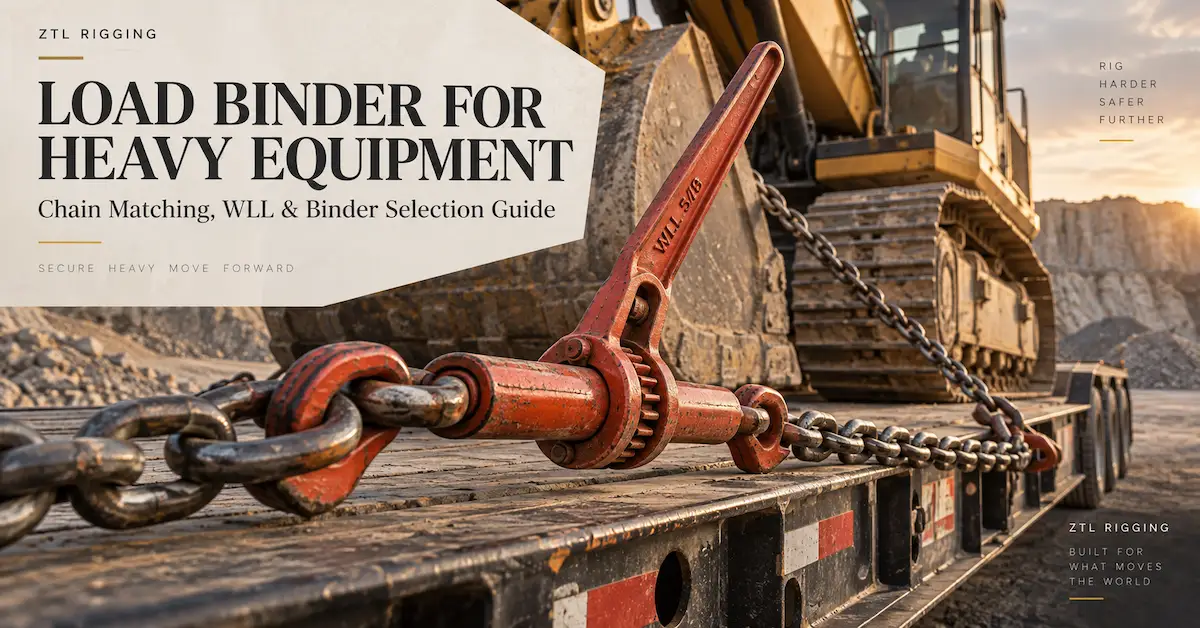
Heavy Equipment Transportation
Construction machinery often requires reliable securement because of:
- High cargo weight
- Irregular shapes
- Strong vibration during transport
Typical cargo includes:
- Excavators
- Loaders
- Bulldozers
- Agricultural machinery
For these applications, buyers should focus on:
- Correct chain compatibility
- Proper WLL selection
- Hook configuration
- Product durability
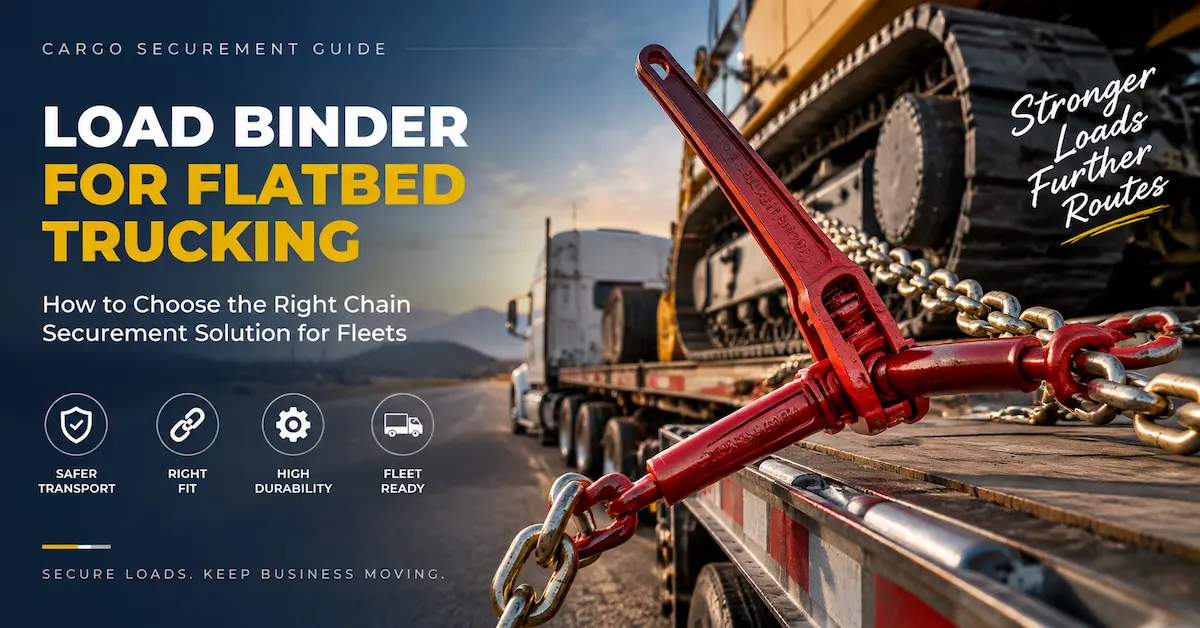
Flatbed Trucking
Flatbed transportation is one of the most common environments for chain binders.
Applications include:
- Steel transportation
- Machinery hauling
- Building materials
- Oversized industrial products
A professional supplier should understand not only the binder but also the operating environment.
Industrial Logistics
Manufacturers often transport:
- Heavy components
- Fabricated structures
- Production equipment
For these customers, consistent product quality is critical because transportation failures may result in:
- Cargo damage
- Delivery delays
- Customer complaints
- Additional logistics costs
What Specifications Should Buyers Confirm?
When sourcing from an indirect load binder supplier, buyers should prepare a detailed specification sheet.
| Specification | Why It Matters |
|---|---|
| Chain grade | Determines compatibility |
| Chain size | Ensures correct connection |
| Working Load Limit | Defines rated capacity |
| Hook type | Affects secure connection |
| Material | Influences durability |
| Forging process | Affects structural performance |
| Heat treatment | Influences mechanical properties |
| Surface treatment | Improves corrosion resistance |
| Testing requirements | Confirms product reliability |
| Packaging | Supports export and distribution |
A professional RFQ should include:
- Product type
- Chain specification
- Quantity
- Application
- Destination market
- OEM requirements
This allows suppliers to recommend the correct solution instead of providing only a price.
Working Load Limit and Cargo Securement Requirements
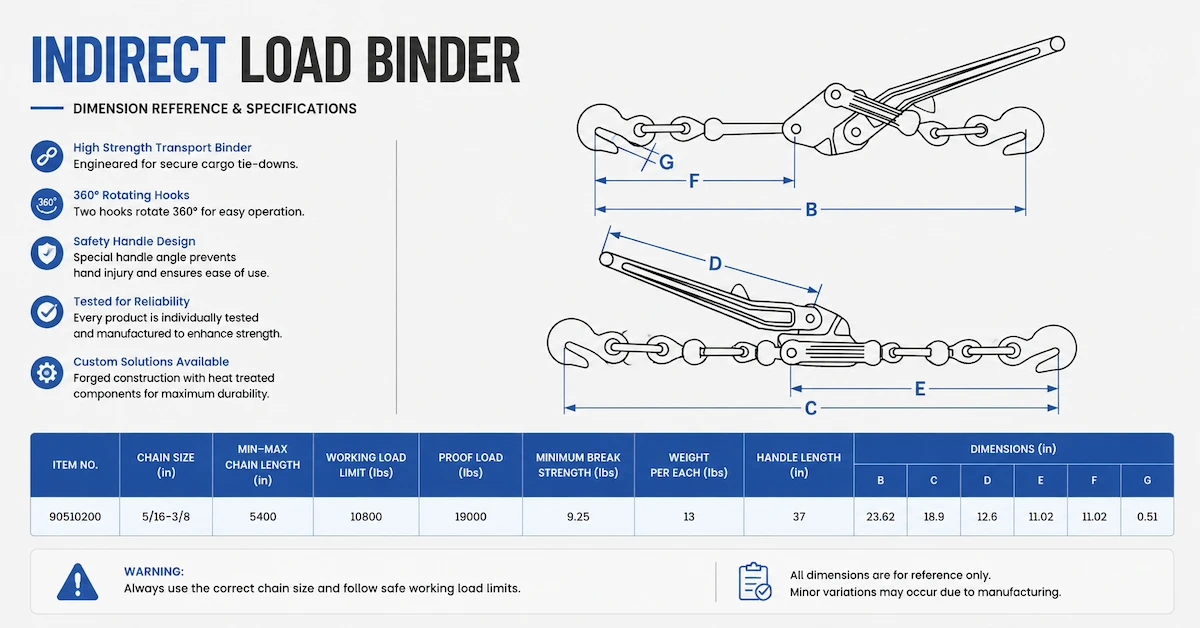
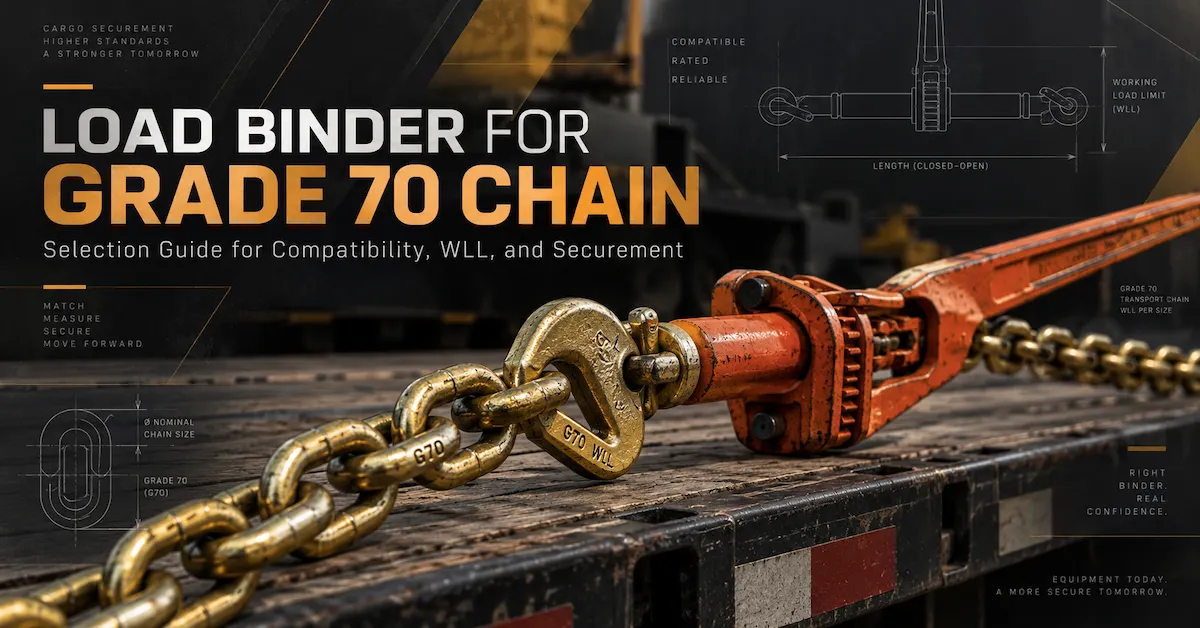
One of the most important purchasing factors is Working Load Limit (WLL).
WLL represents the maximum allowable load that a component is designed to support under normal operating conditions.
However, buyers should understand that the complete system is limited by the weakest component.
Under 49 CFR §393.108, the WLL of a tiedown system is determined by the lowest-rated component, including tensioners, connectors, and anchor points.
This means:
A high-capacity binder cannot increase the capacity of an incorrectly selected chain or attachment point.
Professional buyers should evaluate:
- Binder rating
- Chain rating
- Hook strength
- Attachment condition
- Cargo weight
- Transport method
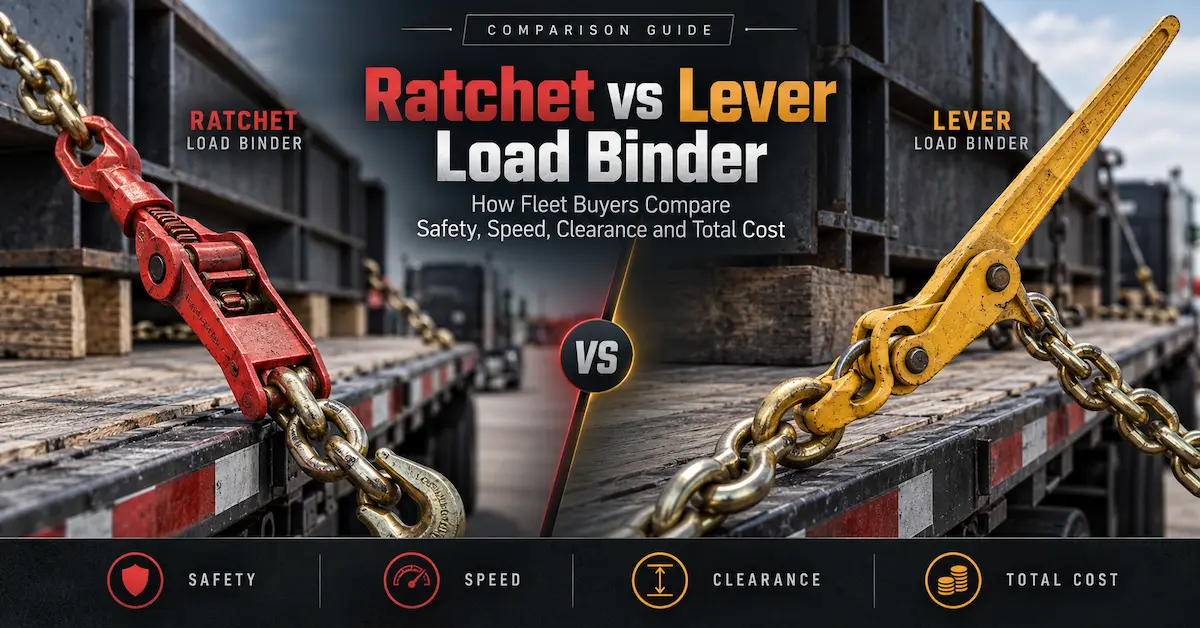
Indirect Load Binder vs Ratchet Load Binder vs Lever Load Binder
Different binder structures serve different purchasing requirements.
| Type | Main Feature | Suitable Buyer Needs |
|---|---|---|
| Indirect Load Binder | Chain tensioning solution for securement systems | Heavy-duty cargo applications |
| Ratchet Load Binder | Gradual tension adjustment | Controlled tightening |
| Lever Load Binder | Fast lever operation | Traditional heavy hauling |
Choosing the correct type depends on:
- Cargo application
- Operator preference
- Required adjustment
- Transportation environment
- Product portfolio strategy
For distributors, offering multiple binder types can help serve different customer segments.
Manufacturing Quality: What Should Buyers Expect?
A reliable indirect load binder supplier should demonstrate control over the entire manufacturing process.
ZTL Rigging identifies forging, heat treatment, surface treatment, and inspection as important manufacturing capabilities.
(ZTL About Us)
Forging Process
Forging is commonly used for high-load hardware because it improves structural integrity compared with simple forming methods.
Important controls include:
- Raw material inspection
- Forging consistency
- Dimensional accuracy
- Surface quality
Heat Treatment
Heat treatment affects:
- Strength
- Hardness
- Toughness
- Fatigue resistance
A supplier should maintain consistent process control between batches.
Surface Treatment
Cargo hardware often works outdoors.
Protection against:
- Moisture
- Rain
- Road conditions
- Corrosion
is important for product lifespan and customer satisfaction.
How to Evaluate an Indirect Load Binder Supplier?
A professional supplier evaluation should include more than product price.
Manufacturing Capability
Check:
- Factory capability
- Production process
- Equipment
- Inspection system
Quality Control
Ask about:
- Incoming inspection
- Process inspection
- Finished product inspection
- Test documentation
OEM Capability
Confirm whether the supplier can support:
- Product marking
- Packaging
- Labels
- Custom specifications
Supply Reliability
Evaluate:
- Production capacity
- Delivery ability
- Export experience
- Communication efficiency
ZTL Rigging states that it provides manufacturing and customization support for global customers through its rigging hardware production capabilities.
OEM and Private Label Solutions
Many B2B customers require more than standard products.
An experienced indirect load binder supplier should support OEM projects including:
- Brand identification
- Custom packaging
- Product labels
- Market-specific requirements
For distributors and private-label brands, OEM cooperation can help create differentiated products.
Before starting an OEM project, buyers should provide:
- Technical requirements
- Target market
- Quantity forecast
- Packaging requirements
- Testing expectations
A detailed project brief helps reduce production risks.
Common Purchasing Risks
Buying Only Based on Price
The lowest quotation may create hidden costs:
- Quality complaints
- Replacement costs
- Delivery delays
- Customer returns
Ignoring Chain Compatibility
A visually similar binder may not match the required chain system.
Lack of Documentation
Missing specifications can create problems for distributors and end users.
Inconsistent Production
Long-term buyers need stable quality across repeated orders.
FAQ
What is an indirect load binder used for?
An indirect load binder is used in chain-based cargo securement systems to tighten chains and maintain tension during transportation.
What industries use indirect load binders?
Common applications include trucking, heavy equipment transport, construction logistics, industrial transportation, and trailer equipment supply.
How do I choose an indirect load binder supplier?
Evaluate product specifications, manufacturing capability, quality control, testing procedures, OEM support, and production reliability.
What information should I provide when requesting a quotation?
Provide chain size, application, quantity, destination market, packaging requirements, and OEM requirements.
Are indirect load binders suitable for heavy equipment transport?
Yes, when correctly selected according to cargo weight, chain specifications, and securement requirements.
Can indirect load binders be customized?
OEM customization may include branding, packaging, labeling, and product requirements depending on supplier capability.
Why is WLL important when buying load binders?
Because the securement system performance depends on the lowest-rated component, including chain, binder, and anchor points.
What manufacturing processes are important for load binders?
Forging, heat treatment, surface treatment, and inspection are important processes affecting product reliability.
Conclusion
Choosing the right indirect load binder supplier requires evaluating product performance, manufacturing capability, and long-term supply reliability.
For cargo-control distributors, transport companies, and OEM brands, the ideal supplier should provide:
- Reliable product specifications
- Consistent manufacturing quality
- Proper inspection processes
- OEM support
- Stable supply capability
ZTL Rigging focuses on cargo securement and rigging hardware solutions, supporting customers with load binder products, manufacturing processes, and customization services.
If you are sourcing indirect load binders for wholesale distribution, transportation applications, or private-label programs, provide your chain specification, quantity, application, and OEM requirements through the ZTL Contact Us page for evaluation.