English


In heavy-duty mechanical systems, controlling movement is just as important as transferring force.
A reliable steel torque rod supplier provides components that stabilize suspension systems, reduce vibration, and prevent structural misalignment under load.
Whether used in trailers, trucks, or industrial equipment, torque rods play a key role in maintaining alignment between connected components — especially in environments where movement and stress are constant.
Why Torque Rod Failure Leads to System Instability
In real-world applications, suspension systems are exposed to continuous stress, vibration, and load variation.
Without a properly designed torque rod, systems may experience:
- Axle misalignment under load
- Excessive vibration during operation
- Uneven stress distribution across joints
- Accelerated wear of connected components
A professional steel torque rod supplier ensures that these risks are minimized through proper material selection and structural design.
How Steel Torque Rods Work
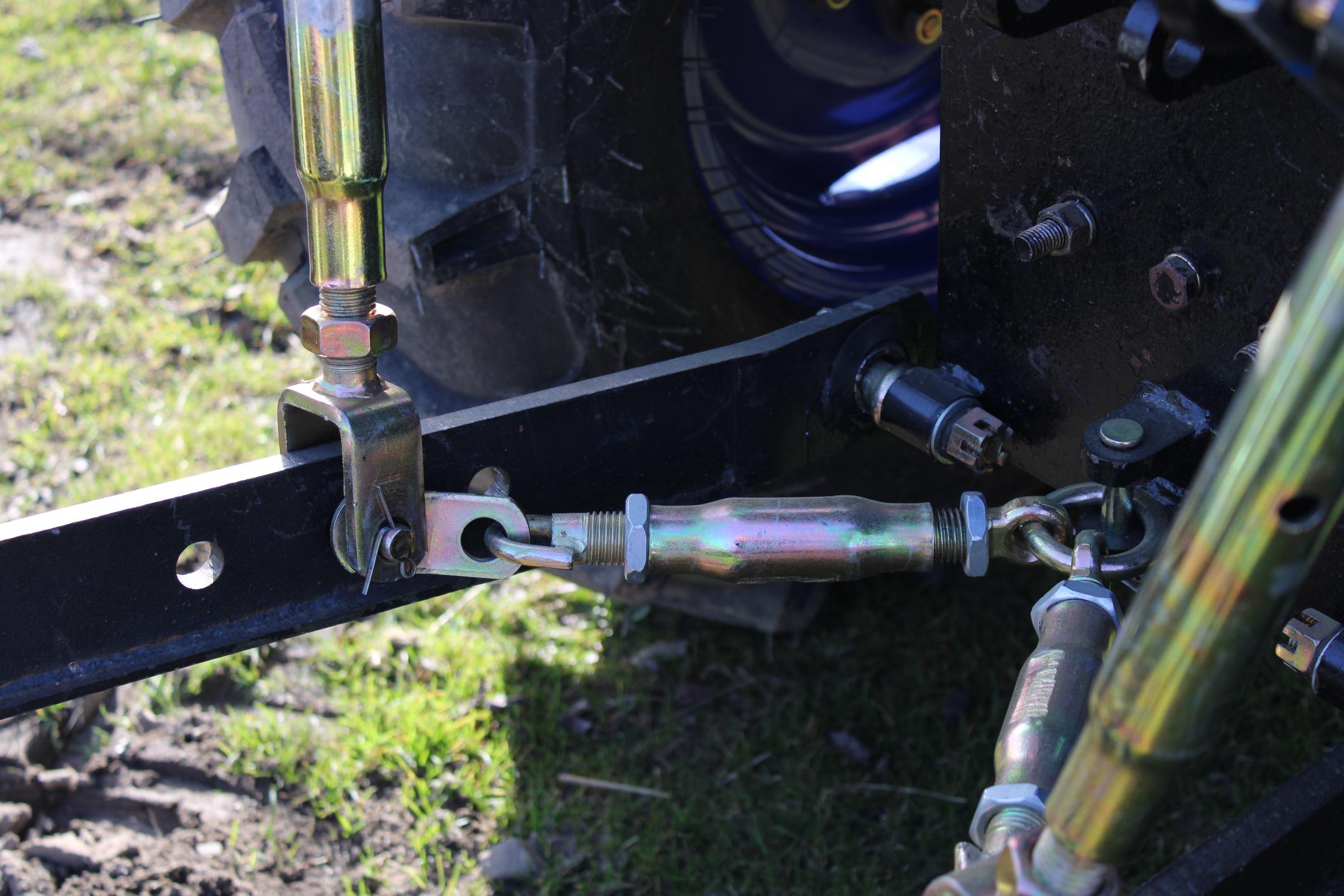
Torque rods function as stabilizing links that control rotational movement between components such as axles and frames.
Their design allows them to:
- Maintain alignment during motion
- Absorb and distribute stress
- Limit unwanted rotational force
- Improve overall system stability
High-quality torque rods are typically manufactured using:
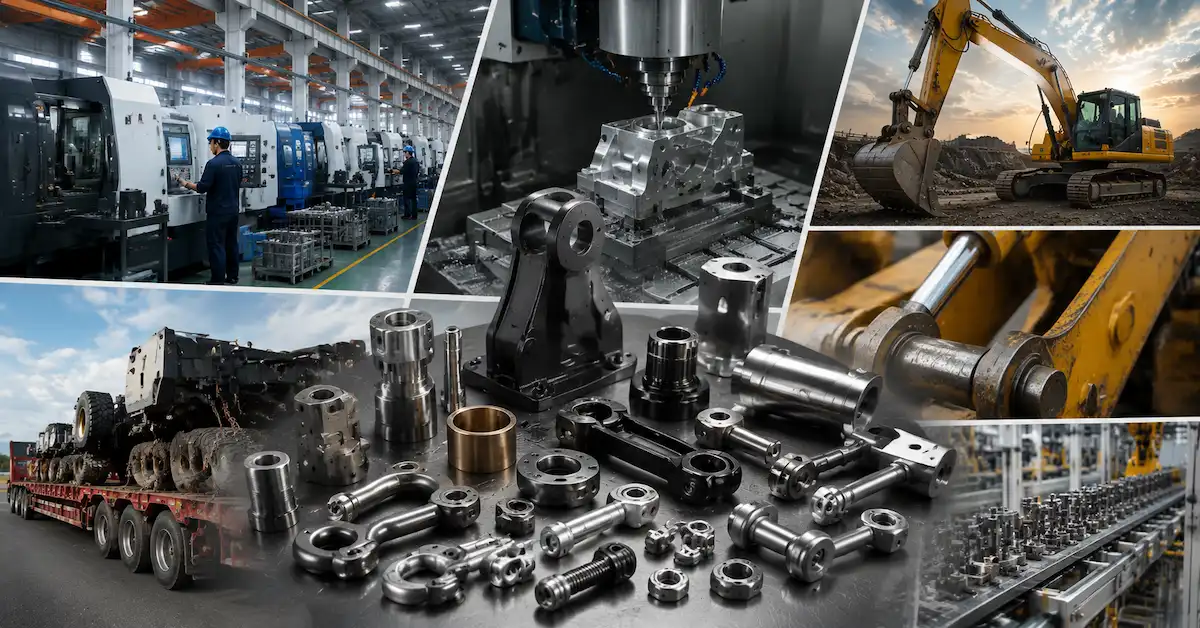
- High-strength steel materials
- Forging or precision machining
- Heat treatment for durability
- Surface coating for corrosion resistance
A reliable steel torque rod supplier focuses on both structural strength and long-term fatigue resistance.
Torque Rod vs Standard Linkage Rod
| Feature | Steel Torque Rod | Standard Linkage |
|---|---|---|
| Function | Control rotation & alignment | Basic connection |
| Strength | High | Moderate |
| Durability | Long-term | Variable |
| Load Handling | Dynamic loads | Limited |
| Application | Suspension systems | General linkage |
Torque rods are specifically engineered for load control and stability, not just connection.
What Defines a Reliable Steel Torque Rod Supplier
Selecting the right steel torque rod supplier is critical for ensuring system performance and safety.
Key capabilities include:
- High-grade steel material sourcing
- Precision manufacturing processes
- Heat treatment control
- Dimensional accuracy and fit
- Load testing and fatigue testing
- OEM customization for specific systems
To learn more about our manufacturing capabilities, visit our
https://www.ztlrigging.com/
Application Scenarios
Steel torque rods are widely used in systems where stability and alignment are critical:
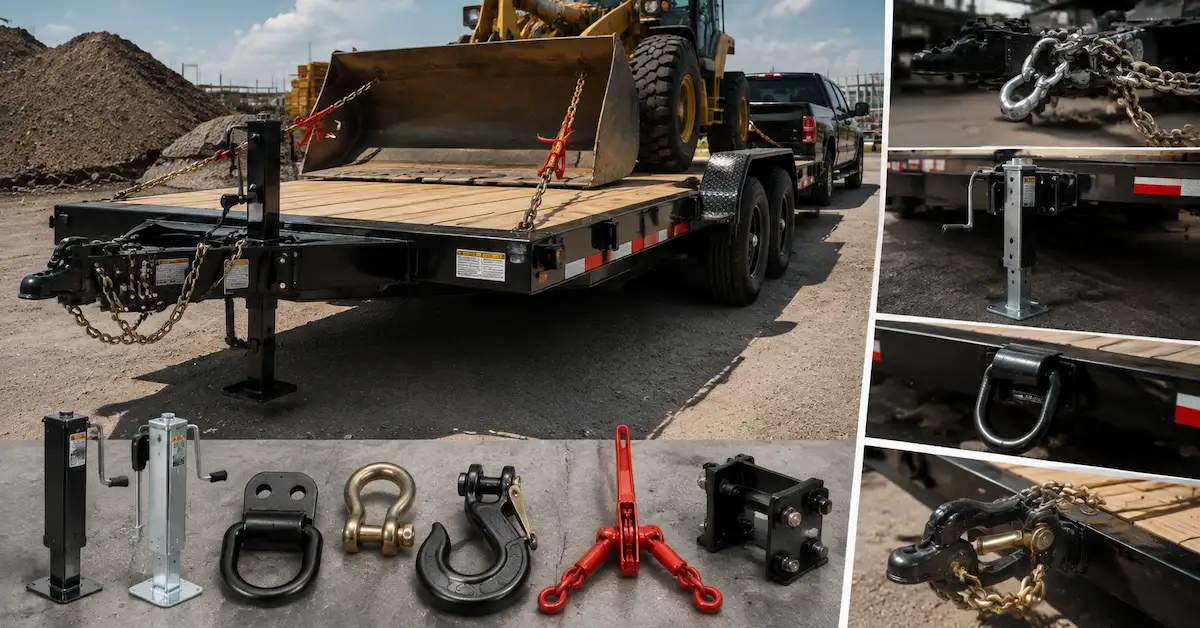
- Trailer suspension systems
- Truck axle stabilization
- Agricultural machinery
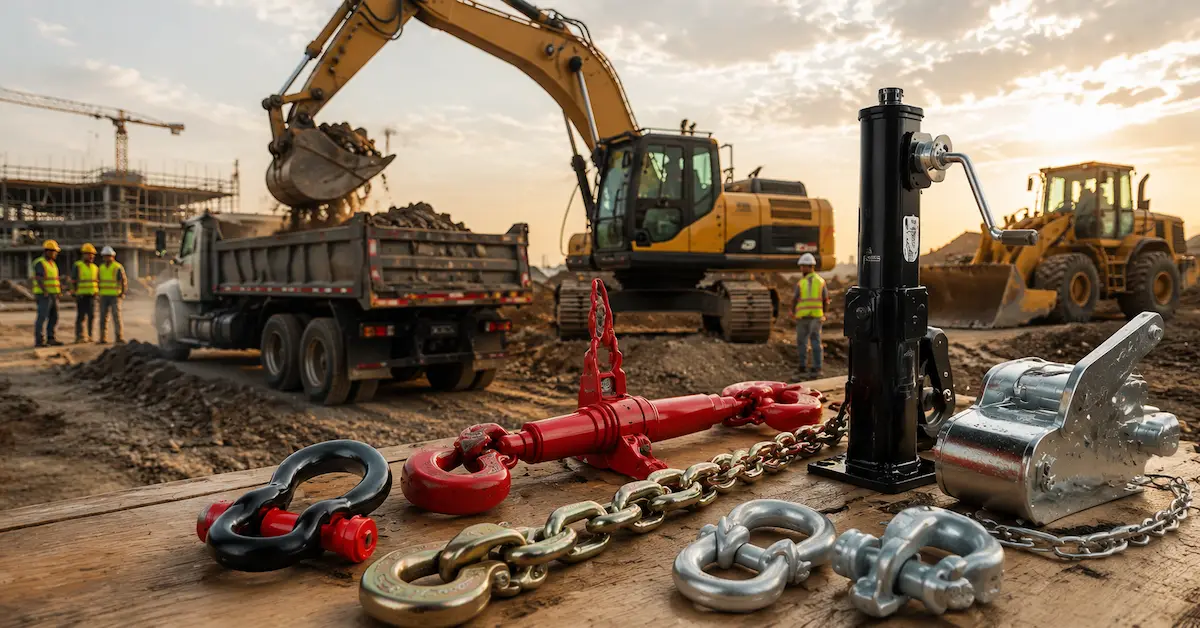
- Construction equipment
- Industrial mechanical systems
Explore more product solutions here:
https://www.ztlrigging.com/
Selection Guide for Steel Torque Rods
| Requirement | Recommended Solution |
|---|---|
| High load capacity | Alloy steel + heat treatment |
| Corrosion resistance | Zinc or powder coating |
| High vibration environments | Reinforced structure design |
| Custom installation | OEM customization |
| Long service life | Precision machining + testing |
Choosing a steel torque rod supplier requires balancing durability, application requirements, and system compatibility.
Frequently Asked Questions
Q1: What is the main function of a steel torque rod?
It stabilizes suspension systems and controls rotational movement.
Q2: What materials are used in torque rods?
High-strength steel and alloy materials are commonly used.
Q3: Can torque rods be customized?
Yes, OEM customization is widely supported.
For more technical support and FAQs:
https://www.ztlrigging.com/contact-us
Stability Starts with the Right Structural Support
In suspension and mechanical systems, stability is not accidental — it is engineered.
A high-quality torque rod ensures alignment, reduces wear, and extends system lifespan.
Choosing a reliable steel torque rod supplier means your systems remain stable, efficient, and durable under real-world operating conditions.
For quotations, OEM solutions, or technical consultation:
https://www.ztlrigging.com/contact-us