English


In industrial environments, equipment is expected to operate continuously under load, vibration, and harsh conditions.
A reliable industrial torque shaft factory provides the core components that keep these systems running efficiently.
When torque transmission becomes unstable, the impact is immediate — reduced efficiency, increased wear, and unexpected downtime.
That is why selecting the right supplier is not just about product availability, but about long-term performance and reliability.
Who This Product Is For
Best suited for:
- Industrial machinery manufacturers
- Heavy equipment OEM buyers
- Conveyor and automation system builders
- Agricultural and construction equipment suppliers
Not ideal for:
- Low-load consumer products
- Non-mechanical or decorative applications
Why Torque Shaft Failure Leads to System Downtime
Industrial systems rarely fail instantly — they degrade over time.
Common problems caused by poor shaft quality include:
- Torsional fatigue under repeated load cycles
- Misalignment causing vibration
- Surface wear leading to energy loss
- Imbalance affecting system stability
A professional industrial torque shaft factory reduces these risks through controlled design and manufacturing processes.
How Industrial Torque Shafts Work
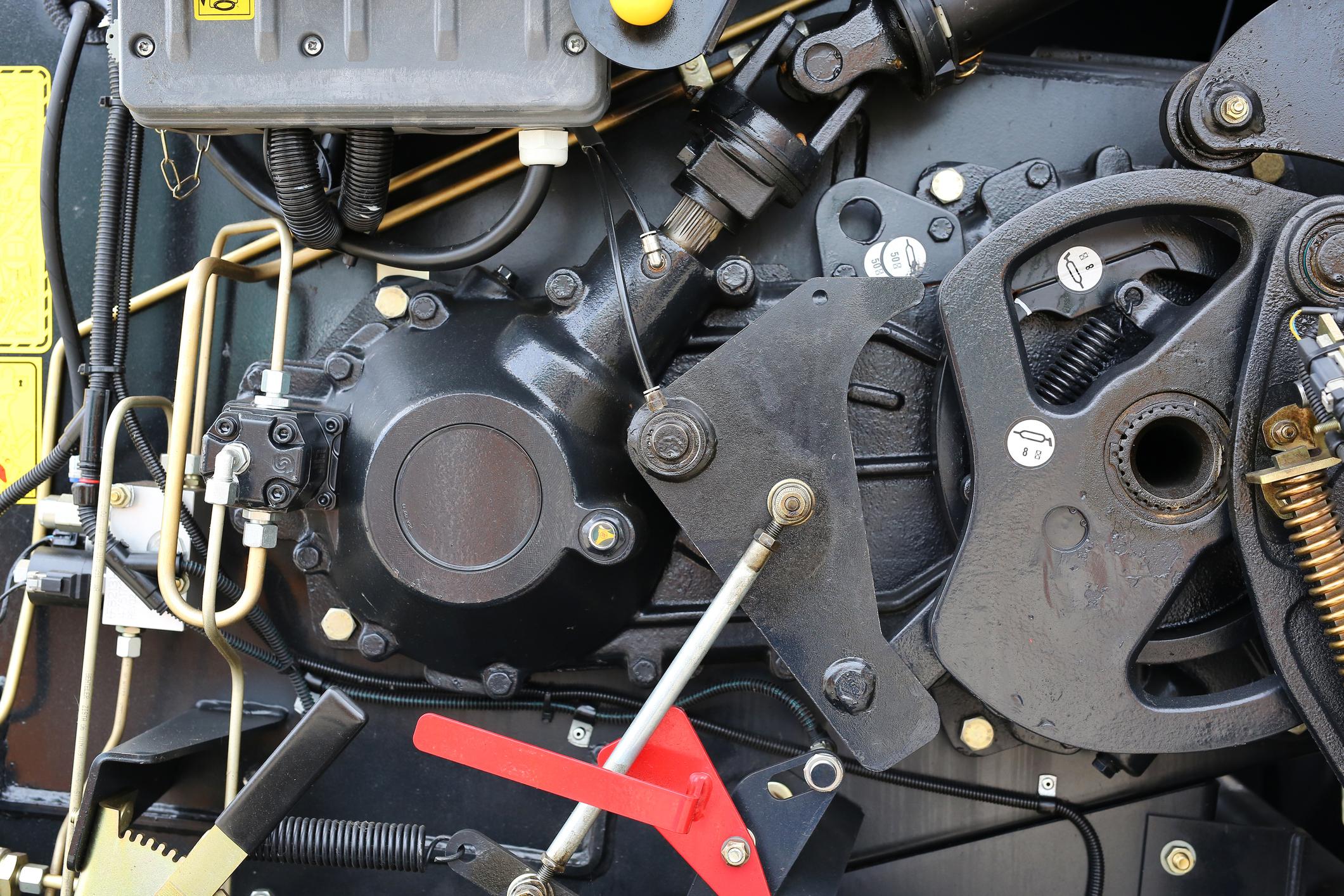
Torque shafts transfer rotational force between connected components while maintaining alignment and stability.
Their performance depends on:
- Material strength
- Dimensional accuracy
- Surface finish
- Balance during rotation
A reliable industrial torque shaft factory ensures that shafts operate smoothly even under continuous mechanical stress.
Industrial Torque Shaft vs Standard Shaft
| Feature | Industrial Torque Shaft | Standard Shaft |
|---|---|---|
| Load Capacity | High | Moderate |
| Precision | High | Standard |
| Durability | Long-term | Variable |
| Application | Heavy machinery | General use |
| Stability | High | Limited |
Industrial shafts are engineered for continuous performance, not occasional use.
Materials, Workmanship, and Structural Strength
High-performance shafts typically use:
- Alloy steels such as 40Cr or 42CrMo
- Heat treatment for improved fatigue resistance
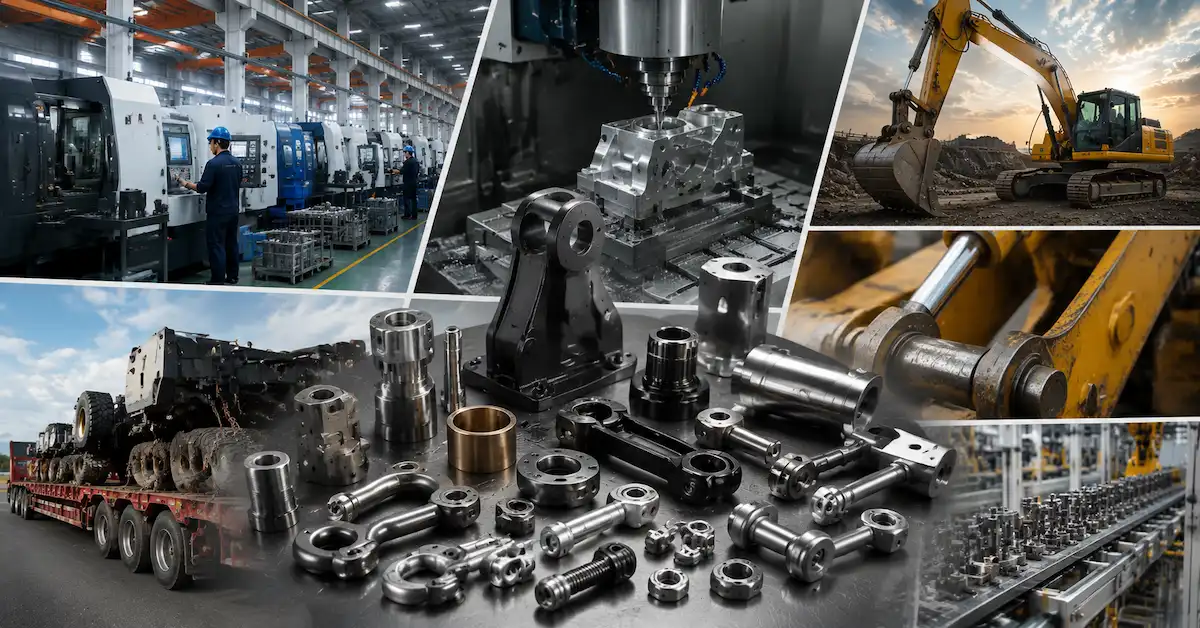
- CNC machining for precise tolerances
- Grinding for smooth surface finish
A capable industrial torque shaft factory combines material science with precision manufacturing to deliver consistent quality.
Quality Control and Testing
Strict quality control ensures reliability in industrial applications:
- Dimensional inspection
- Dynamic balancing
- Load testing
- Surface treatment verification
These processes ensure every shaft meets performance expectations before delivery.
OEM & Customization Capabilities
Industrial systems often require non-standard designs.
OEM services may include:
- Custom shaft length and diameter
- Special connection interfaces
- Surface coatings for specific environments
- Batch production for equipment integration
Learn more about our manufacturing capabilities:
https://www.ztlrigging.com/
Cost Factors and Common Risks
Choosing the wrong supplier can result in hidden costs:
- Frequent replacements
- Increased maintenance
- Equipment downtime
- Lower system efficiency
Key cost factors include:
- Material grade
- Manufacturing precision
- Production scale
- Customization requirements
A reliable industrial torque shaft factory helps reduce long-term operational risks.
Application Scenarios
Industrial torque shafts are widely used in:
- Conveyor systems
- Heavy machinery
- Automotive drivetrain systems
- Agricultural equipment
- Construction machinery
Explore more product solutions:
https://www.ztlrigging.com/
Selection Guide
| Requirement | Recommended Solution |
|---|---|
| High load | Alloy steel + heat treatment |
| High precision | CNC machining |
| Continuous operation | Dynamic balancing |
| Harsh environment | Anti-corrosion coating |
| OEM integration | Custom design |
Choosing the right industrial torque shaft factory requires balancing performance, durability, and system compatibility.
Frequently Asked Questions
Q1: What is an industrial torque shaft?
A shaft designed to transmit rotational force in heavy-duty machinery.
Q2: What materials are commonly used?
Alloy steels such as 40Cr and 42CrMo.
Q3: Can torque shafts be customized?
Yes, OEM customization is widely supported.
Q4: What affects shaft lifespan?
Load conditions, material quality, and manufacturing precision.
Reliable Performance Starts with the Right Factory
Industrial systems depend on stable and efficient power transmission.
A high-quality shaft ensures smooth operation, reduced wear, and long-term reliability.
Choosing a trusted industrial torque shaft factory means your equipment performs consistently under real working conditions.
For technical support or quotation:
https://www.ztlrigging.com/contact-us