English


For automotive and vehicle-related systems, torque transmission must be stable, accurate, and durable. A shaft that looks simple on a drawing may still affect vibration, drivetrain efficiency, suspension response, bearing life, and long-term maintenance cost. This is why choosing the right automotive torque shaft exporter matters for OEM buyers, parts distributors, vehicle repair networks, and industrial mobility equipment suppliers.
Automotive torque shafts are commonly used in systems where rotational force, load transfer, or mechanical alignment must remain stable under vibration, speed, impact, and repeated movement. For global buyers, the supplier must do more than manufacture the part. It must also support export documentation, batch consistency, packaging protection, and clear technical communication.
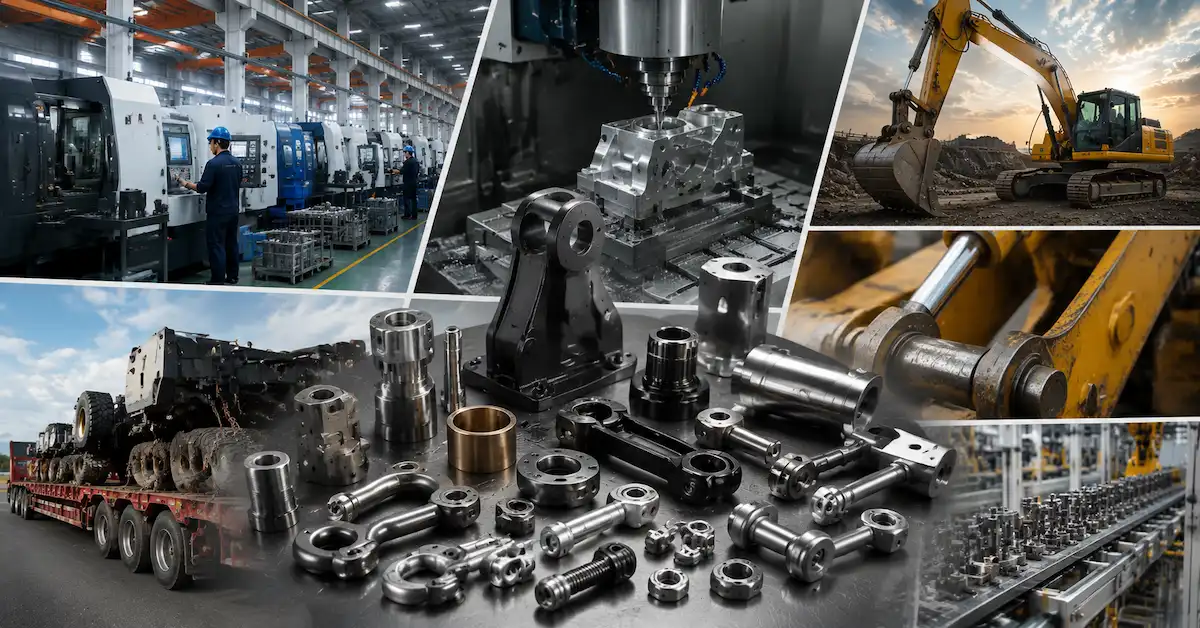
A reliable exporter should understand materials, CNC machining, heat treatment, tolerance control, surface treatment, inspection, packaging, and OEM customization. For vehicle applications, these details directly affect fitment, performance, and buyer confidence.
For buyers comparing broader shaft manufacturing options, Zhongteli’s guide on custom torque shaft OEM solutions explains how application-specific design can improve torque transfer, fitment, and long-term reliability.
What Is an Automotive Torque Shaft?
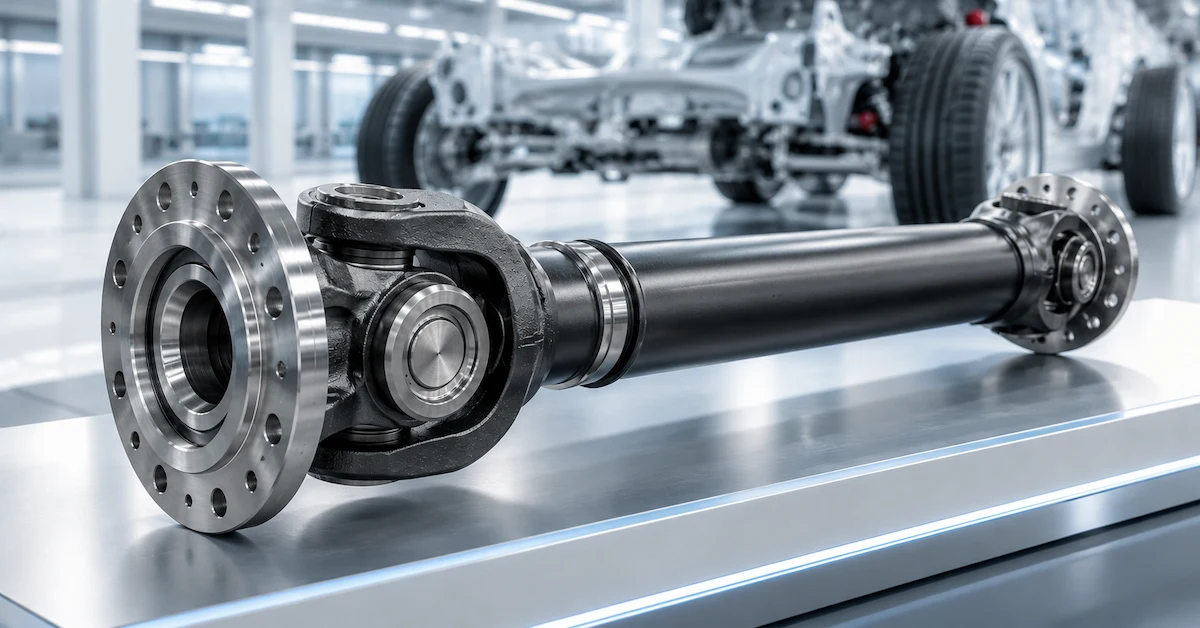
An automotive torque shaft is a mechanical shaft used to transfer or control torque in vehicle-related systems. Depending on the design, it may work in drivetrain assemblies, suspension-related mechanisms, trailer systems, axle-related structures, or custom OEM vehicle components.
Buyers may also search for similar terms such as:
- automotive torque shaft
- vehicle torque shaft
- automotive drive shaft
- automotive transmission shaft
- OEM torque shaft
- truck torque shaft
- trailer torque shaft
- custom vehicle shaft
- drivetrain shaft supplier
The keyword automotive torque shaft exporter has clear commercial intent. Most searchers are not only learning the definition of the product. They are likely looking for a supplier that can export shafts, support OEM customization, and handle stable repeat orders.
Zhongteli already has a relevant product foundation because its website covers torque shafts and related industrial components. Buyers can review the broader Zhongteli product page to understand the company’s product direction and supporting categories.
Who Needs an Automotive Torque Shaft Exporter?
A professional automotive torque shaft exporter is mainly suitable for B2B buyers who need stable sourcing, repeatable quality, and export-ready supply.
Typical buyers include:
- Automotive OEM manufacturers
- Truck and trailer system builders
- Aftermarket auto parts distributors
- Vehicle repair chain suppliers
- Agricultural vehicle manufacturers
- Construction vehicle parts buyers
- Drivetrain and transmission component suppliers
- Importers of mechanical vehicle parts
- Industrial mobility equipment manufacturers
- Fleet maintenance and replacement part buyers
For these customers, the main concern is not only whether the shaft can be produced. They also need to know whether the supplier can keep batch dimensions consistent, protect the product during overseas shipping, provide clear communication, and support long-term cooperation.
If the project involves heavy-duty trucks or commercial vehicles, Zhongteli’s article on truck torque shaft supplier can support further reading around truck shaft requirements, load conditions, and OEM fit.
Why Export Buyers Should Be Careful with Torque Shafts
Automotive torque shafts often work in demanding conditions. Vehicles operate under vibration, road impact, temperature changes, moisture, dust, and repeated load cycles. If the shaft is not made correctly, the problem may not appear immediately. It may appear after installation, during long-distance use, or after repeated stress cycles.
Common problems include:
- Vibration during operation
- Misalignment with bearings or couplings
- Premature wear at splines or keyways
- Poor fit during assembly
- Shaft bending under load
- Fatigue cracking
- Corrosion during storage or shipment
- Surface damage during transport
- Inconsistent quality between batches
For importers and distributors, these issues may lead to claims, returns, customer complaints, and reputation loss. For OEM buyers, they may cause assembly delays or field failures.
That is why a strong automotive torque shaft exporter must combine manufacturing control with export service control. Buyers who need higher-load shaft performance can also read Zhongteli’s guide on choosing a heavy duty torque shaft manufacturer.
Key Specifications to Confirm Before Ordering
Before requesting a quotation, buyers should prepare clear specifications. This helps the supplier evaluate whether the shaft should be forged, welded, machined, ground, heat treated, coated, or dynamically balanced.
| Specification Item | What Buyers Should Confirm | Why It Matters |
|---|---|---|
| Shaft length | Overall length and working length | Ensures installation fit |
| Shaft diameter | Main diameter and stepped sections | Affects torque capacity and bearing fit |
| Torque load | Working torque and peak torque | Prevents fatigue and overload failure |
| Rotational speed | RPM range and duty cycle | Determines balancing requirement |
| Connection type | Spline, keyway, flange, thread, groove, or coupling | Ensures power transfer compatibility |
| Vehicle application | Car, truck, trailer, agricultural vehicle, or equipment | Defines load and environment |
| Material grade | Carbon steel, 40Cr, 42CrMo, or custom alloy | Affects strength and fatigue life |
| Heat treatment | Quenching, tempering, induction hardening, or stress relief | Improves hardness and durability |
| Tolerance | Runout, straightness, concentricity, bearing seat size | Controls vibration and assembly quality |
| Surface treatment | Black oxide, zinc coating, painting, phosphating, anti-rust oil | Improves corrosion resistance |
| Testing requirement | Hardness, dimensional, balancing, coating, or load inspection | Confirms product reliability |
| Export packaging | Anti-rust protection, sleeves, cartons, pallets, labels | Protects product during shipping |
For export orders, packaging should be discussed early. A well-made shaft can still be damaged if it is packed poorly for ocean freight or long-distance delivery.
For buyers who care about high-accuracy machining, Zhongteli’s industrial torque shaft factory article explains how material strength, CNC machining, heat treatment, and quality inspection affect industrial shaft reliability.
Materials for Automotive Torque Shafts
Material selection affects strength, machinability, heat treatment response, fatigue resistance, and cost.
Common options include:
- Carbon steel for standard or moderate-load applications
- 40Cr for stronger mechanical performance
- 42CrMo for heavy-duty and fatigue-critical applications
- Custom alloy steel for OEM vehicle systems
- Coated or treated steel for outdoor and corrosion-prone environments
A professional supplier should not recommend material only by price. It should consider vehicle type, torque load, rotation speed, working environment, connection type, and expected service life.
For buyers defining steel requirements, ASTM A29/A29M-23 can be used as a reference because it covers general requirements for carbon and alloy steel bars.
If the vehicle system requires long shafts, special flanges, welded hubs, or multi-section structures, Zhongteli’s article on welded torque shaft factory is a useful supporting page for welded shaft design and process control.
CNC Machining and Tolerance Control
Automotive shafts usually require accurate machining because they connect to bearings, couplings, splines, flanges, gearboxes, or other rotating components. A small dimensional error can create vibration, noise, poor fit, or premature wear.
Important machining and inspection points include:
- Outer diameter tolerance
- Bearing seat accuracy
- Spline or keyway position
- Thread accuracy
- Flange face precision
- Straightness
- Concentricity
- Total indicated runout
- Surface roughness
- End-face perpendicularity
ISO 286-1:2010 establishes an ISO code system for tolerances used for linear sizes, including cylindrical features and two parallel opposite surfaces, making it relevant for shaft diameter and fit discussions.
For global buyers, tolerance should match the real application. Overly loose tolerance increases fitment risk. Overly tight tolerance increases cost. The right exporter should help buyers identify which dimensions are critical and which can use normal production tolerance.
Heat Treatment, Surface Finish, and Fatigue Resistance
A shaft must not only fit the vehicle. It must also survive repeated use.
Heat treatment can improve hardness, strength, wear resistance, and fatigue life. Common treatments include:
- Quenching
- Tempering
- Induction hardening
- Stress relief
- Surface hardening
Surface treatment is also important, especially for export and outdoor applications. Common options include:
- Anti-rust oil
- Black oxide
- Zinc coating
- Phosphating
- Painting
- Protective packaging film
A reliable automotive torque shaft exporter should understand how heat treatment and surface treatment affect durability. For example, a shaft used in a dry indoor assembly may need different surface protection from a shaft used in truck, trailer, agricultural, or outdoor vehicle systems.
For buyers comparing different torque shaft manufacturing routes, the article on drive torque shaft manufacturer provides more context on power transmission shafts, CNC precision, heat treatment, and dynamic balancing.
Dynamic Balancing for Rotating Shafts
If the torque shaft rotates at medium or high speed, balancing may be necessary. Poor balance can create vibration, noise, bearing wear, and premature failure.
Dynamic balancing is especially important for:
- drivetrain shafts
- transmission-related shafts
- high-speed rotating assemblies
- long shafts
- shafts with welded or assembled structures
- shafts connected to bearings or couplings
ISO 21940-11:2016 covers procedures and tolerances for rotors with rigid behavior, making it a useful technical reference when discussing balancing requirements for rotating shafts.
Not every shaft needs dynamic balancing. However, a professional exporter should ask about RPM, application type, shaft length, and assembly conditions before deciding whether balancing is needed.
Automotive Torque Shaft vs Standard Shaft
| Type | Features | Advantages | Limitations | Best For |
|---|---|---|---|---|
| Standard shaft | General dimensions and common material | Lower cost and easier sourcing | Limited fit and performance control | Light-duty applications |
| Automotive torque shaft | Designed for vehicle torque and fitment requirements | Better strength, precision, and durability | Requires technical confirmation | Vehicle systems and OEM parts |
| Custom OEM torque shaft | Built according to buyer drawings and application data | Best fit, repeatable quality, brand support | Requires sampling and engineering communication | OEM production and export orders |
| Heavy-duty vehicle shaft | Strong material and controlled heat treatment | Higher fatigue resistance | Higher cost | Trucks, trailers, agricultural and construction vehicles |
For automotive export buyers, the most important point is consistency. A standard shaft may work for one order, but custom OEM torque shafts are usually better when the buyer needs stable repeat orders, private-label packaging, or model-specific fitment.
For related product comparison, Zhongteli’s transmission shaft manufacturer guide can help buyers understand broader drivetrain and power transmission shaft selection.
Application Scenarios
Automotive torque shafts can be used in a wide range of vehicle-related systems.
Common applications include:
- Passenger vehicle systems
- Truck drivetrain systems
- Trailer mechanical assemblies
- Agricultural vehicles
- Construction vehicles
- Off-road vehicles
- Industrial mobility equipment
- Axle-related mechanisms
- Transmission and coupling systems
- Custom OEM vehicle components
For trailer-related applications, Zhongteli’s trailer torque shaft supplier article can support additional reading around trailer shaft requirements, load control, and mechanical fit.
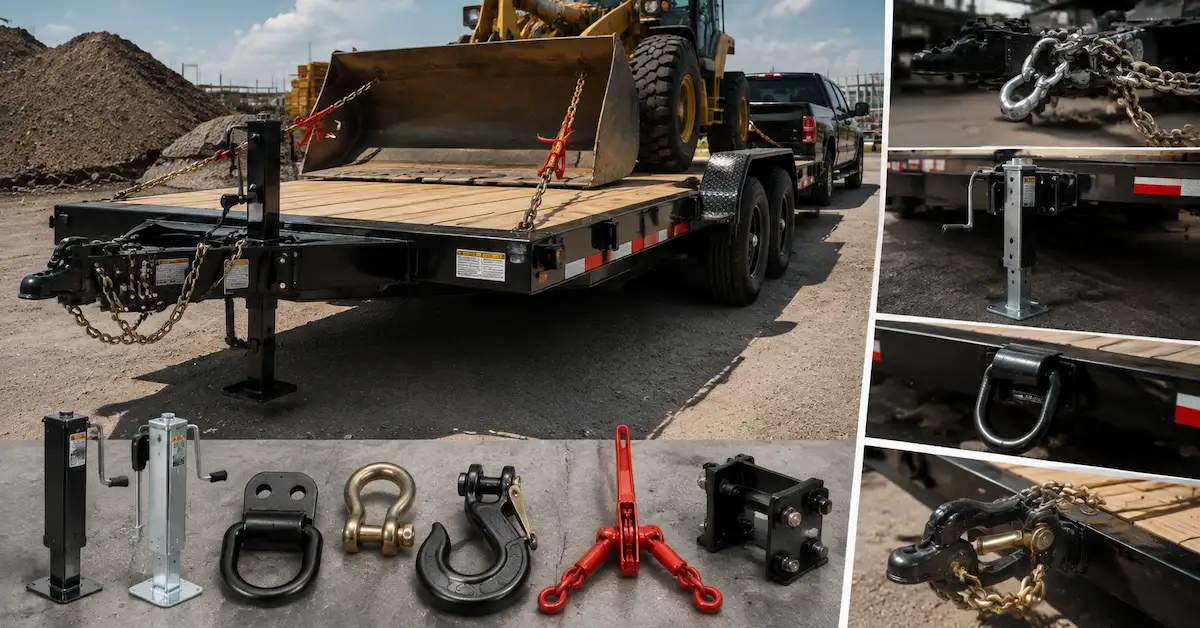
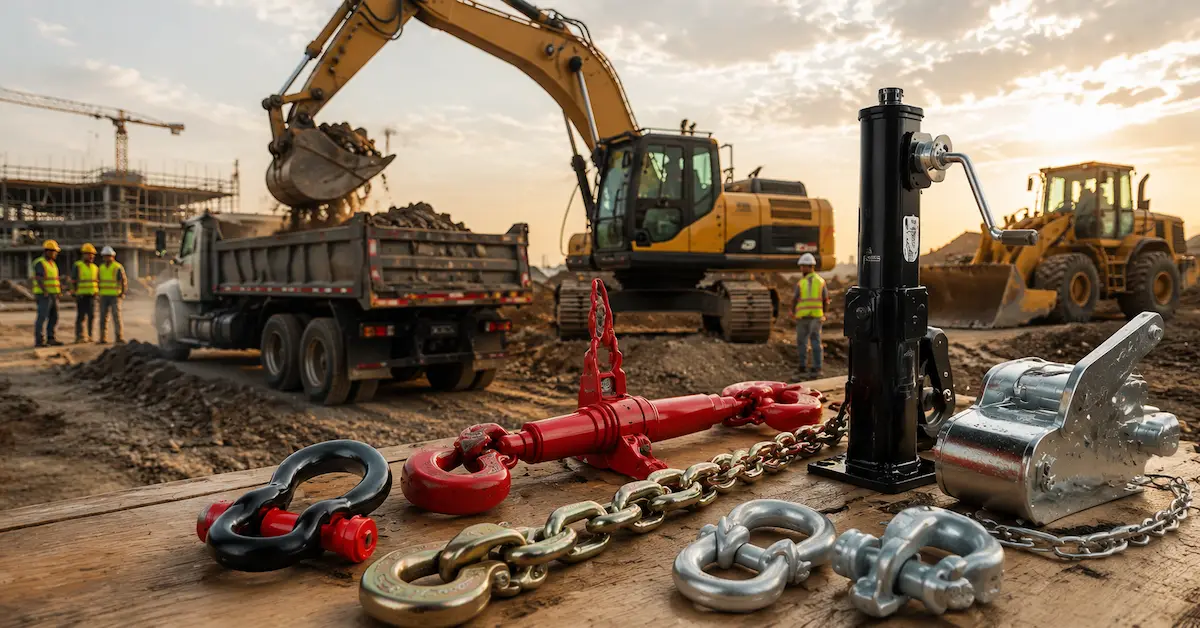
This topic also fits the broader torque shaft content cluster because the website includes torque shafts, trailer jacks, forged hooks, and related industrial products. Buyers can explore more related solutions from the Products page.
Selection Guide by Buyer Type
| Buyer Type | Main Concern | Recommended Supplier Capability |
|---|---|---|
| Automotive OEM | Drawing accuracy and batch consistency | CNC machining, QC reports, OEM support |
| Parts distributor | Stable quality and packaging | Export packaging, labels, repeat supply |
| Truck parts buyer | Heavy load and durability | Alloy steel, heat treatment, testing |
| Trailer system builder | Fitment and corrosion resistance | Custom dimensions, coating, batch control |
| Agricultural vehicle buyer | Dust, mud, outdoor exposure | Anti-rust treatment and durable material |
| Repair network | Replacement fit and availability | Sample matching and stable stock planning |
| Importer | Shipping protection and documentation | Export experience, packaging, communication |
This table can help buyers quickly match supplier capability with sourcing priority.
Export Packaging and Delivery Requirements
Export packaging is often ignored, but it is very important for shafts. Automotive torque shafts may have machined surfaces, splines, threads, bearing seats, flanges, or coating that must be protected during shipping.
Good export packaging may include:
- Anti-rust oil
- Plastic sleeves
- Protective caps
- Foam or separator protection
- Carton and wooden pallet packaging
- Batch labels
- Part number labels
- Moisture protection
- Clear shipment marks
For B2B buyers, export packaging should be confirmed before order placement, not after production. This reduces the risk of damage, rust, mixed parts, or warehouse confusion.
How to Choose the Right Automotive Torque Shaft Exporter
Use this checklist when comparing suppliers:
- Can the exporter read drawings and samples correctly?
- Does it understand automotive and vehicle application requirements?
- Can it recommend suitable steel grades?
- Does it support CNC machining and precision finishing?
- Can it provide heat treatment and surface protection?
- Does it inspect runout, straightness, and critical dimensions?
- Can it support dynamic balancing when required?
- Does it provide export packaging and batch labels?
- Can it support OEM marking and private-label packaging?
- Does it have global export experience?
- Is communication clear during sampling, production, and delivery?
A qualified automotive torque shaft exporter should ask about application, torque load, speed, material, tolerance, packaging, and order quantity before recommending a production solution.
For company background, factory strength, and quality system information, buyers can visit the Zhongteli About Us page.
Why Work with Ningbo Zhongteli Rigging Co., Ltd.?
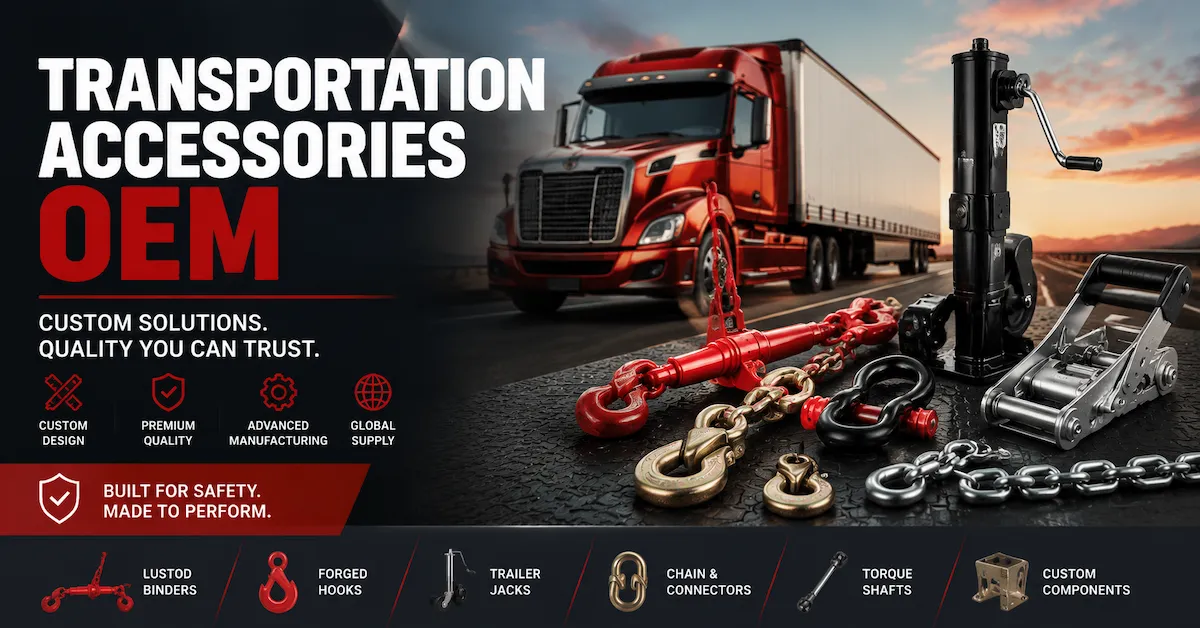
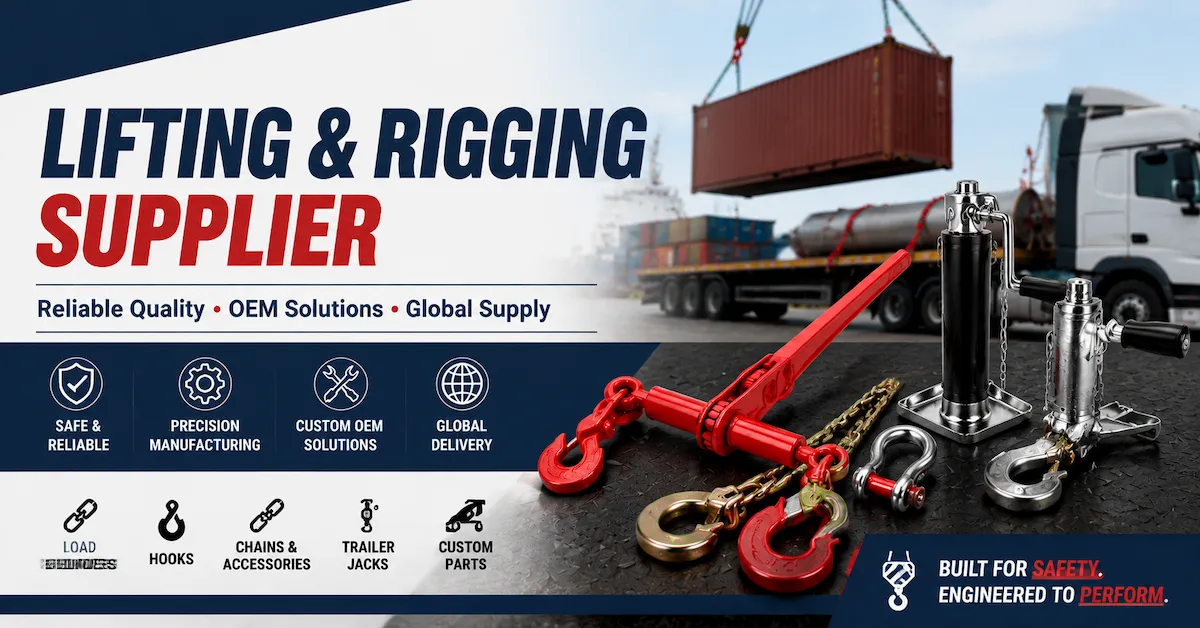
Ningbo Zhongteli Rigging Co., Ltd. is a professional manufacturer focused on rigging equipment, trailer jacks, torque shafts, forged hooks, and related industrial products for global buyers.
For automotive torque shaft buyers, Zhongteli’s value comes from its manufacturing background, quality control process, and export service capability. The company can support buyers who need custom shaft dimensions, alloy steel selection, CNC machining, heat treatment, surface treatment, inspection, OEM packaging, and export-ready supply.
As an automotive torque shaft exporter, Zhongteli can support automotive OEMs, truck parts distributors, trailer system builders, agricultural vehicle suppliers, repair networks, and global importers that require reliable torque shaft solutions.
For drawings, samples, quotations, or OEM project discussion, buyers can contact the team through the Zhongteli Contact Us page.
OEM Customization Options
Automotive and vehicle parts buyers often need customized shafts rather than generic catalog parts.
Common OEM customization options include:
- Custom shaft length and diameter
- Stepped shaft geometry
- Spline, keyway, flange, groove, or threaded ends
- Welded or assembled shaft structure
- Bearing seat grinding
- Alloy steel selection
- Heat treatment and hardness targets
- Surface coating and anti-rust treatment
- Laser marking or part number identification
- Private-label packaging
- Export carton and pallet design
- Batch traceability labels
For OEM buyers, the goal is not only to receive one good sample. The real goal is stable repeat orders with the same fit, finish, packaging, and inspection control.
Cost Factors Buyers Should Understand
The cost of an automotive torque shaft depends on several factors:
- Material grade
- Shaft length and diameter
- Machining complexity
- Spline or keyway design
- Flange or coupling structure
- Heat treatment requirement
- Grinding and tolerance level
- Balancing requirement
- Surface treatment
- Testing documentation
- Packaging method
- Order quantity
- Delivery schedule
A low price may not be a true saving if the shaft causes rust, vibration, poor fit, or customer claims. For export buyers, quality consistency and shipping protection are often more valuable than a small price difference.
Frequently Asked Questions
1. What does an automotive torque shaft exporter do?
An automotive torque shaft exporter supplies torque shafts for vehicle, truck, trailer, drivetrain, suspension, and related mechanical systems. A professional exporter should support manufacturing, inspection, OEM customization, packaging, and international delivery.
2. What materials are commonly used for automotive torque shafts?
Common materials include carbon steel, 40Cr, 42CrMo, and custom alloy steel. Heavy-duty or high-fatigue applications usually require stronger alloy steel and controlled heat treatment.
3. What information should I provide for quotation?
Provide drawings, samples, shaft dimensions, torque load, RPM, vehicle application, connection type, material requirement, heat treatment, surface treatment, quantity, and packaging needs.
4. Do automotive torque shafts need dynamic balancing?
Dynamic balancing is recommended when the shaft rotates at speed or when vibration control is important. It is especially useful for drivetrain and transmission-related applications.
5. Can automotive torque shafts be customized for OEM orders?
Yes. A professional exporter can customize dimensions, splines, keyways, flanges, material, coating, marking, packaging, and batch traceability for OEM orders.
6. What surface treatment is recommended for export orders?
Anti-rust oil, black oxide, zinc coating, phosphating, painting, or protective packaging can be selected depending on storage time, shipping method, and working environment.
7. How do I reduce import quality risk?
Confirm drawings, approve samples, define tolerances, request inspection records, check packaging details, and work with a supplier that supports batch traceability.
8. Why should I choose a factory exporter instead of a trading company?
A factory exporter can usually communicate more directly about material, machining, heat treatment, inspection, and production schedule. This can reduce technical errors and improve repeat-order stability.
9. Which buyers need automotive torque shafts?
Automotive OEMs, truck parts distributors, trailer system builders, agricultural vehicle suppliers, repair networks, and importers may need automotive torque shafts for power transmission or vehicle mechanical systems.
10. How can I start an automotive torque shaft project?
Prepare your drawing, sample, application details, material requirement, quantity, and packaging needs. Then contact Zhongteli through the Contact Us page for technical review, quotation, sampling, and export-ready production.
Build Reliable Vehicle Systems with the Right Export Partner
Choosing the right automotive torque shaft exporter helps global buyers reduce fitment problems, vibration, corrosion risk, and after-sales claims. The best supplier is not only the one that can quote quickly. It is the partner that understands material selection, precision machining, heat treatment, balancing, inspection, packaging, and export communication.
For automotive torque shafts, truck torque shafts, custom OEM shafts, and related vehicle mechanical components, Ningbo Zhongteli Rigging Co., Ltd. can support global buyers with manufacturing capability, quality control, customization, and export-ready supply.