English


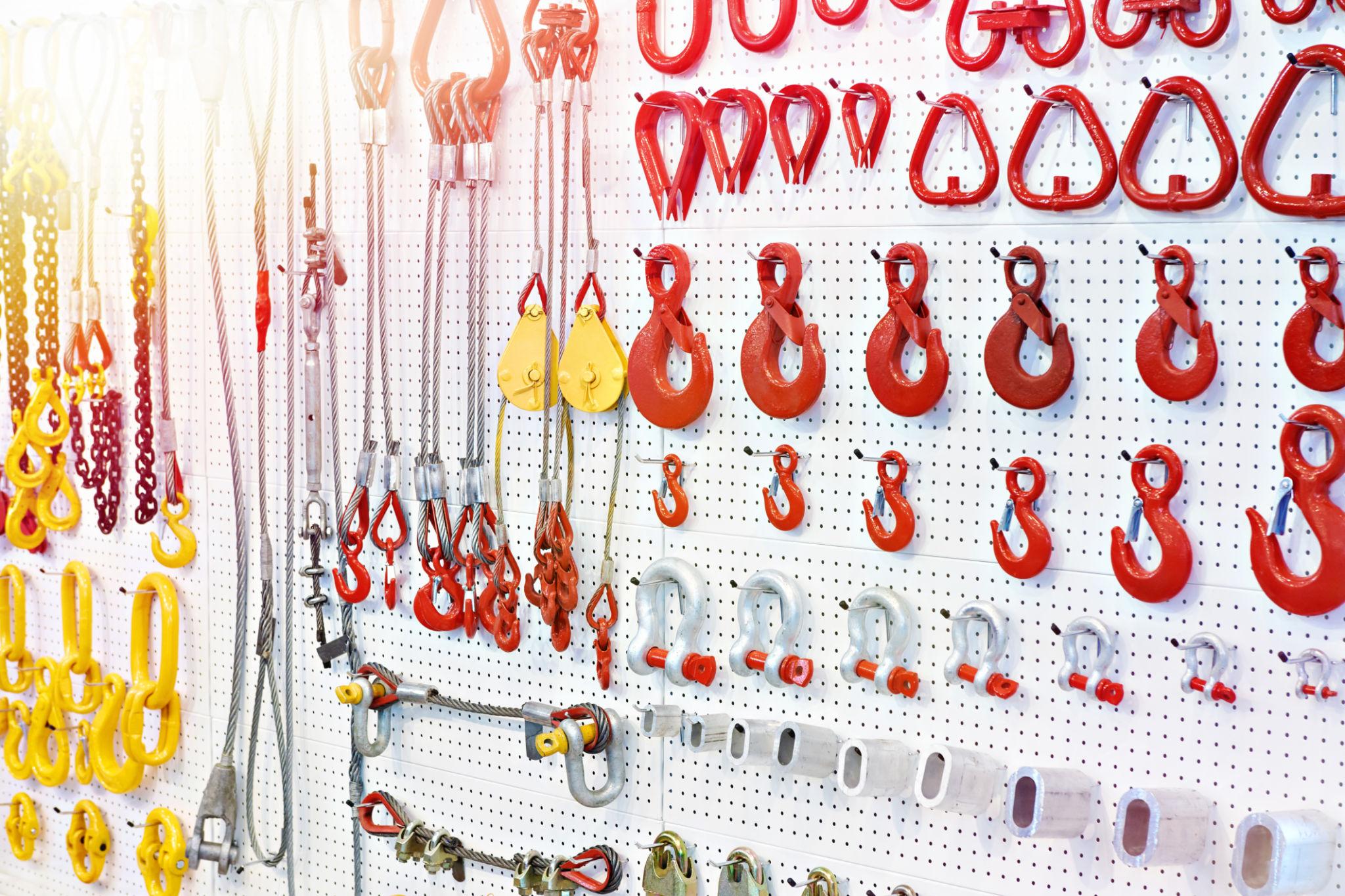
High Tensile Lifting Hooks Built for Extreme Loads and Long-Term Industrial Use
When lifting systems operate under extreme loads, the margin for error disappears.
In such conditions, material strength is not an advantage — it is a requirement.
High tensile lifting hooks are specifically engineered to handle these demands.
They are designed to resist deformation, absorb impact, and maintain performance across thousands of load cycles.
For buyers sourcing from a high tensile lifting hook supplier, the key question is not just capacity — but long-term reliability under stress.
Why High Tensile Strength Matters
In lifting operations, stress is rarely static. Loads shift, drop slightly, or experience sudden force changes.
Standard hooks may meet basic requirements, but under repeated stress they can:
- Stretch or deform
- Develop micro-fractures
- Lose structural integrity over time
High tensile hooks, typically made from alloy steels like 42CrMo, provide:
- Higher yield strength
- Improved fatigue resistance
- Greater impact tolerance
According to American Society of Mechanical Engineers B30.10, lifting hooks must maintain integrity under dynamic loading — making high tensile materials essential in industrial applications.
High Tensile Hooks vs Standard Hooks
| Feature | High Tensile Hook | Standard Hook |
|---|---|---|
| Material | Alloy Steel | Carbon Steel |
| Tensile Strength | Very High | Moderate |
| Fatigue Resistance | Excellent | Limited |
| Deformation Risk | Low | Higher |
| Application | Heavy-duty / Industrial | Light to medium use |
The difference becomes critical when hooks are used continuously or under fluctuating loads.
What Defines a Reliable Supplier
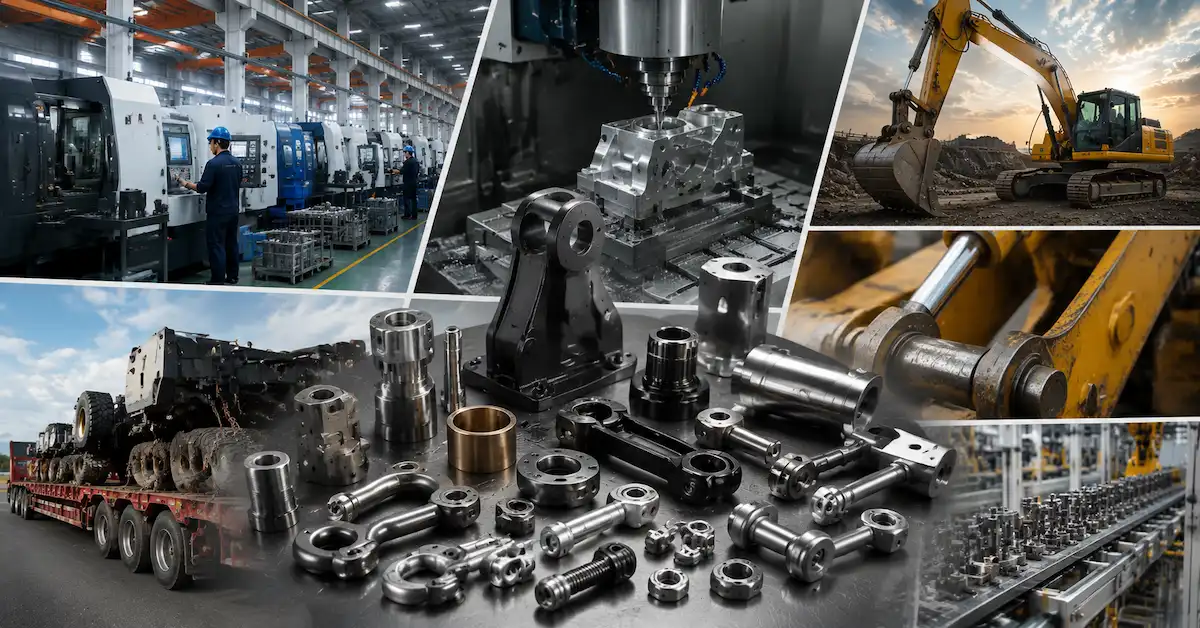
A professional high tensile lifting hook supplier must control both material quality and manufacturing precision.
Key capabilities include:
- Certified alloy steel sourcing
- Controlled forging process
- Heat treatment for strength optimization
- Precision machining
- Surface protection for durability
- Load testing and inspection
Standards from International Organization for Standardization (ISO 7597) define testing and performance requirements for lifting hooks used globally.
Industrial Applications
High tensile lifting hooks are essential in environments where loads are heavy, repetitive, and safety-critical:
- Construction Projects — lifting structural steel
- Mining Operations — handling heavy materials
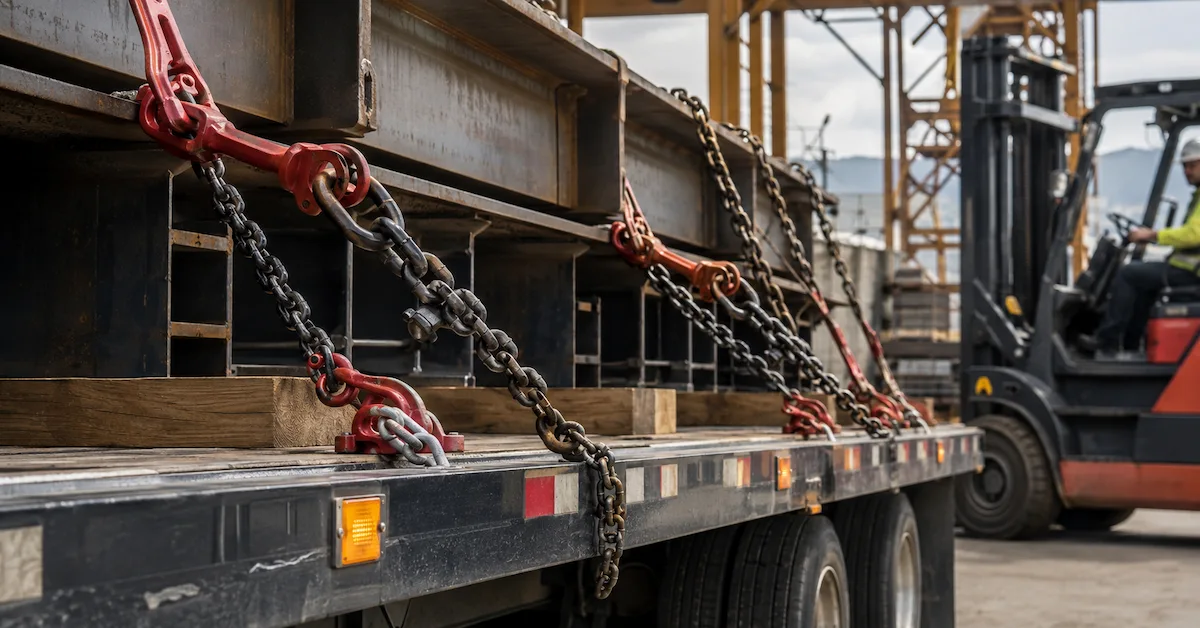
- Shipping & Ports — cargo lifting and securing
- Energy Sector — installation of turbines and equipment
- Manufacturing Plants — continuous lifting operations
These applications demand hooks that can withstand both load and time.
Selection Guide
| Application | Hook Type | Material | Coating | Capacity |
|---|---|---|---|---|
| Heavy Lifting | Eye Hook | 42CrMo | Zinc | 10–30T |
| Industrial Use | Clevis Hook | Alloy Steel | Powder | 15–40T |
| Marine | Swivel Hook | Alloy + Stainless | HDG | 10–25T |
| OEM Equipment | Custom Hook | Custom Alloy | Custom | As required |
Selecting the right hook requires understanding both load intensity and working conditions.
FAQ
Q1: What makes a hook “high tensile”?
It refers to the material’s ability to withstand high stress without deformation.
Q2: Are high tensile hooks necessary for all lifting?
No, but they are essential for heavy-duty and high-frequency operations.
Q3: What certifications should they meet?
ISO, ASME, and EN standards depending on application.
Q4: Can they be customized?
Yes, OEM customization is widely supported.
Built for Strength That Lasts
High tensile lifting hooks are designed for environments where failure is not an option.
They deliver consistent performance, resist fatigue, and maintain structural integrity under extreme conditions.
Choosing a reliable high tensile lifting hook supplier ensures that every lift is backed by material strength, precision engineering, and long-term reliability.
🔗 Explore More
For detailed specifications, product options, or OEM customization:
👉 https://www.ztlrigging.com/
For quotations, technical support, or partnership inquiries:
👉 https://www.ztlrigging.com/contact-us