English


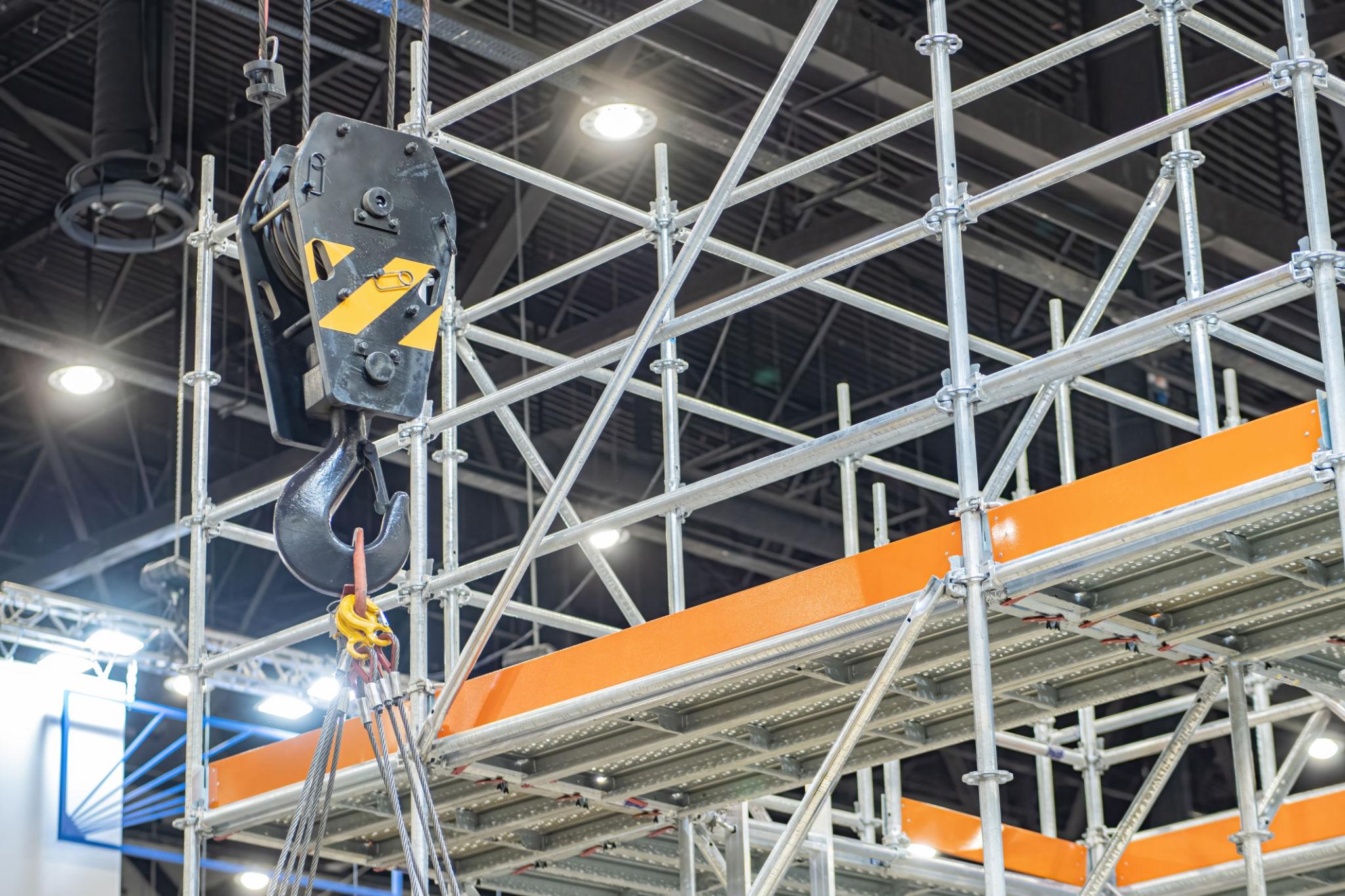
Forged Hooks with Safety Latch Designed for Secure Lifting and OEM Integration
In lifting operations, the biggest risk often comes from something small — a momentary slip, an unlatched connection, or a shifting load.
A standard hook may hold under tension, but without a locking mechanism, it leaves room for accidental disengagement.
That is why forged hooks with safety latch have become essential in modern lifting systems.
They combine structural strength with mechanical security, reducing risk at the connection point.
For buyers working with a forged hook with safety latch OEM supplier, the goal is clear:
👉 Secure lifting, consistent performance, and reliable integration into equipment systems.
Why Open Hooks Create Safety Risks
Traditional open hooks rely entirely on tension to maintain connection.
In controlled environments, this may be sufficient — but in real-world operations, loads rarely behave perfectly.
Common risks include:
- Chain slipping out under slack conditions
- Sudden load shifts causing disengagement
- Human error during hook placement
- Vibration loosening the connection
According to American Society of Mechanical Engineers (ASME B30.10), hooks used in lifting applications must include safety mechanisms when there is a risk of disengagement.
How Safety Latch Hooks Improve Load Security
A safety latch acts as a secondary retention system.
Even when tension is reduced, the latch keeps the chain or sling in place.
Key design features include:
- Spring-loaded latch mechanism
- Reinforced hook throat
- Durable pivot system
- Compatibility with chains and slings
When combined with drop forging, the hook gains both strength and safety:
- Forging ensures internal structural integrity
- The latch ensures connection stability
Forged Hook with Latch vs Standard Hook
| Feature | Latch Hook | Open Hook |
|---|---|---|
| Safety | High | Moderate |
| Risk of Disengagement | Low | Higher |
| Application | Dynamic environments | Controlled lifting |
| Compliance | Meets safety standards | Limited |
| Reliability | Consistent | Variable |
The latch does not replace strength — it enhances it.
What Defines a Reliable OEM Manufacturer
A professional forged hook with safety latch OEM partner must ensure both mechanical precision and consistency across production.
Key capabilities include:
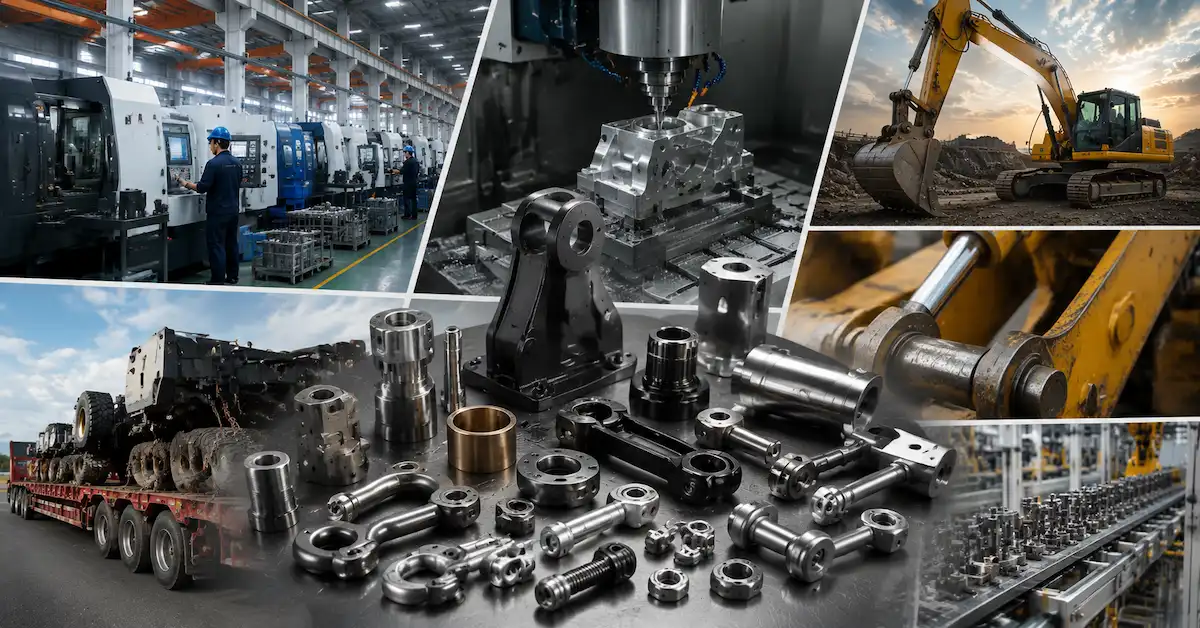
- Forging process control (grain alignment)
- Precision latch fitting and tolerance control
- Heat treatment for strength and durability
- Corrosion-resistant coatings
- Load testing and latch durability testing
- OEM customization (branding, size, coating, packaging)
Standards from International Organization for Standardization (ISO 7597) define load testing and inspection requirements for lifting hooks.
Application Scenarios
Safety latch hooks are widely used in environments where movement and risk are present:
- Construction Sites — lifting beams and materials
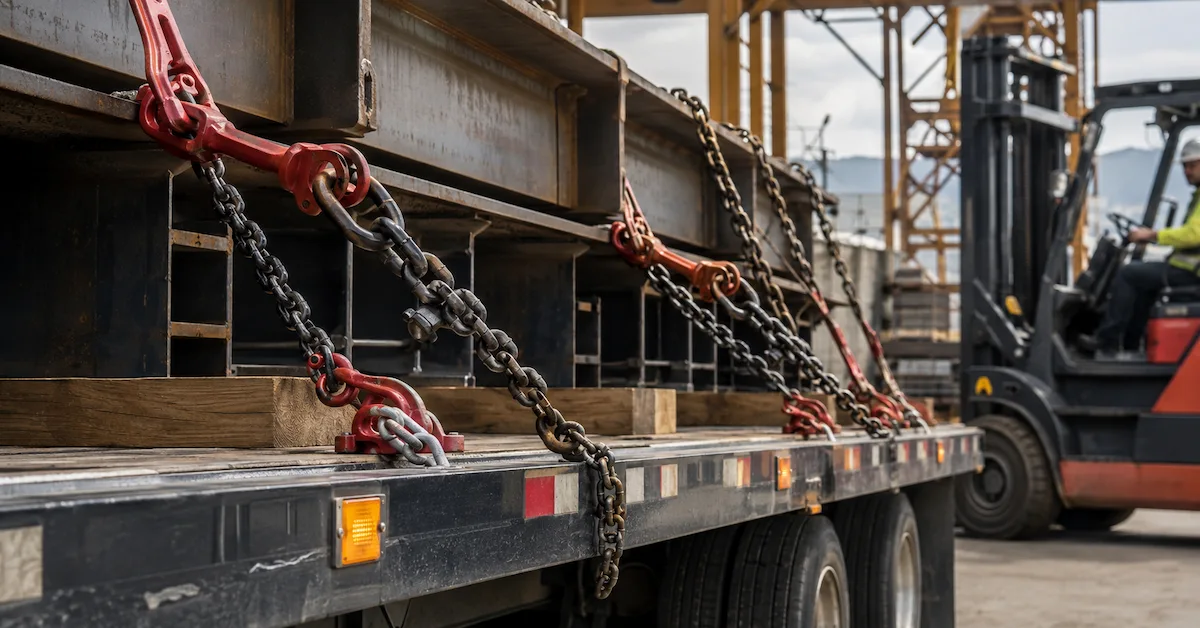
- Transport Systems — securing loads with chains
- Warehousing — material handling
- Marine & Offshore — dynamic load environments
- OEM Equipment — integrated lifting systems
In each case, the latch reduces the risk of accidental release.
Selection Guide
| Application | Hook Type | Material | Coating | Capacity |
|---|---|---|---|---|
| General Lifting | Eye Hook with Latch | 42CrMo | Zinc | 5–15T |
| Heavy Industry | Clevis Hook with Latch | Alloy Steel | Powder | 10–30T |
| Marine | Swivel Hook with Latch | Alloy + Stainless | HDG | 5–20T |
| OEM Equipment | Custom Latch Hook | Custom Alloy | Custom | As required |
Choosing the right hook requires balancing load type, movement, and safety requirements.
FAQ
Q1: Are safety latch hooks required by regulations?
In many applications, yes — especially where disengagement risk exists.
Q2: Does the latch affect load capacity?
No, load capacity is determined by the hook body, not the latch.
Q3: Can latch hooks be customized?
Yes, OEM customization is widely supported.
Q4: What affects latch durability?
Material quality, spring design, and usage frequency.
Built for Secure Connections
In lifting systems, safety is not just about strength — it is about control.
A forged hook with a safety latch ensures that once connected, the load stays connected.
Choosing a reliable forged hook with safety latch OEM partner ensures consistent quality, safer operations, and dependable performance across every application.
🔗 Explore More
For detailed specifications, OEM customization, or product options:
👉 https://www.ztlrigging.com/
For quotations or technical consultation:
👉 https://www.ztlrigging.com/contact-us