English


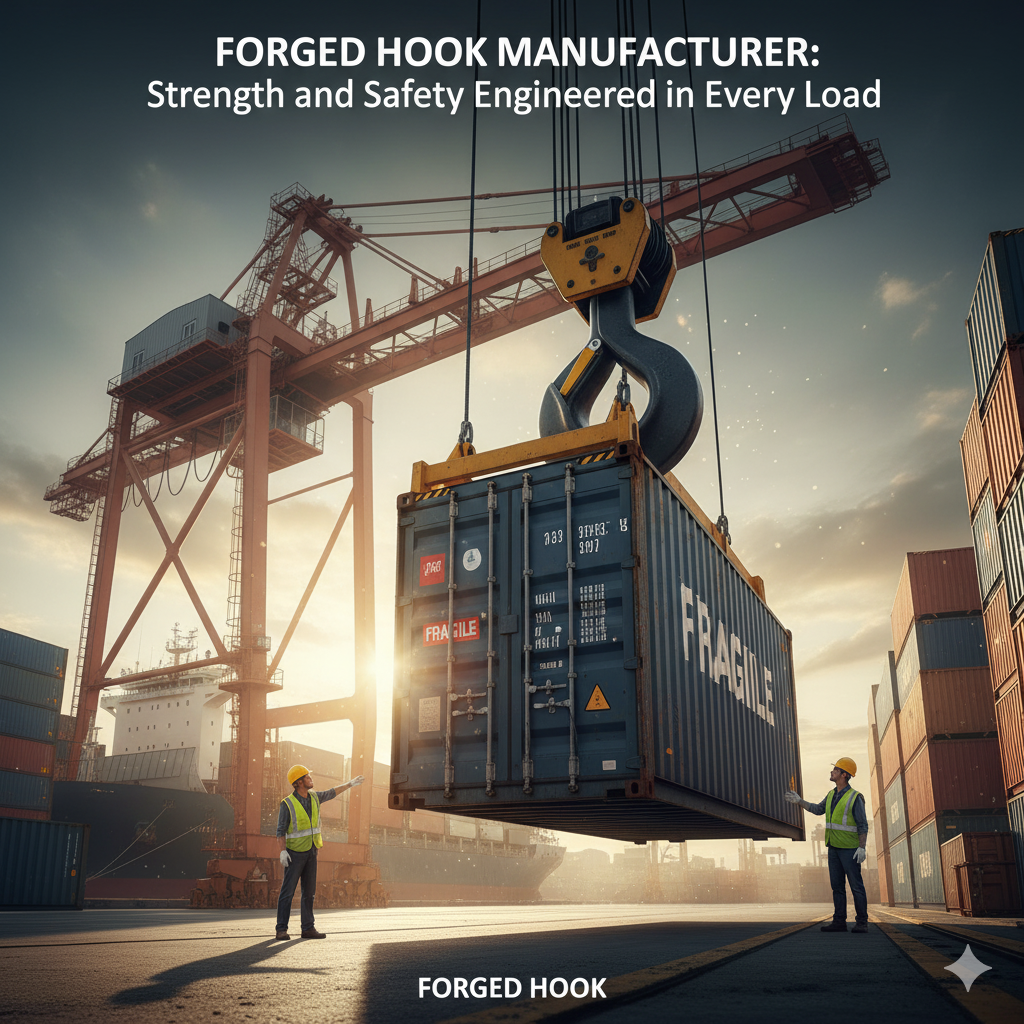
Forged Hook Manufacturer: Strength and Safety Engineered in Every Load
In industrial lifting and rigging, one component silently carries the weight of trust — the forged hook.
From construction cranes to offshore vessels, these hooks endure dynamic tension, bending forces, and shock loads. A single flaw could mean catastrophic failure.
That’s why working with a reliable forged hook manufacturer like Zhongteli matters — where metallurgy, forging precision, and inspection converge to deliver safety that never compromises.
Understanding the Forging Principle Behind Hook Strength
A forged hook isn’t merely shaped metal; it’s metal transformed at the molecular level. Through hot forging, the steel’s grain flow aligns with the hook’s contours, dramatically improving tensile strength and fatigue resistance.
Key Technical Stages:
-
Alloy Selection: Zhongteli uses 35CrMo and 42Cr steel, known for strength-to-weight balance.
-
Closed Die Forging: Ensures uniform density and eliminates voids.
-
Controlled Heat Treatment: Achieves ideal hardness (HRC 32–38) while maintaining ductility.
-
Non-Destructive Testing: Each forged hook undergoes ultrasonic and magnetic particle inspection.
-
Load Rating Certification: Verified according to ISO 7597:2013 and EN 1677-2 standards for safety compliance.
This alignment of process and standard creates hooks that perform flawlessly under repeated dynamic load cycles.
Forged vs. Cast: Why Forging is Non-Negotiable
| Feature | Forged Hook | Cast Hook |
|---|---|---|
| Manufacturing Process | Hot forged under high pressure | Molten metal poured into mold |
| Internal Structure | Directional grain flow, no porosity | Random grain, higher defect rate |
| Load Capacity | 20–30% higher yield strength | Lower, prone to crack propagation |
| Impact Resistance | Excellent, absorbs shock | Poor, brittle at low temps |
| Usage Life | Long-term reliability | Shorter service cycle |
While casting may reduce cost, forged hooks deliver the consistency and safety margin required for industrial-grade performance — making them standard equipment in cranes, shipyards, and rigging systems.
Zhongteli’s Forging Advantage
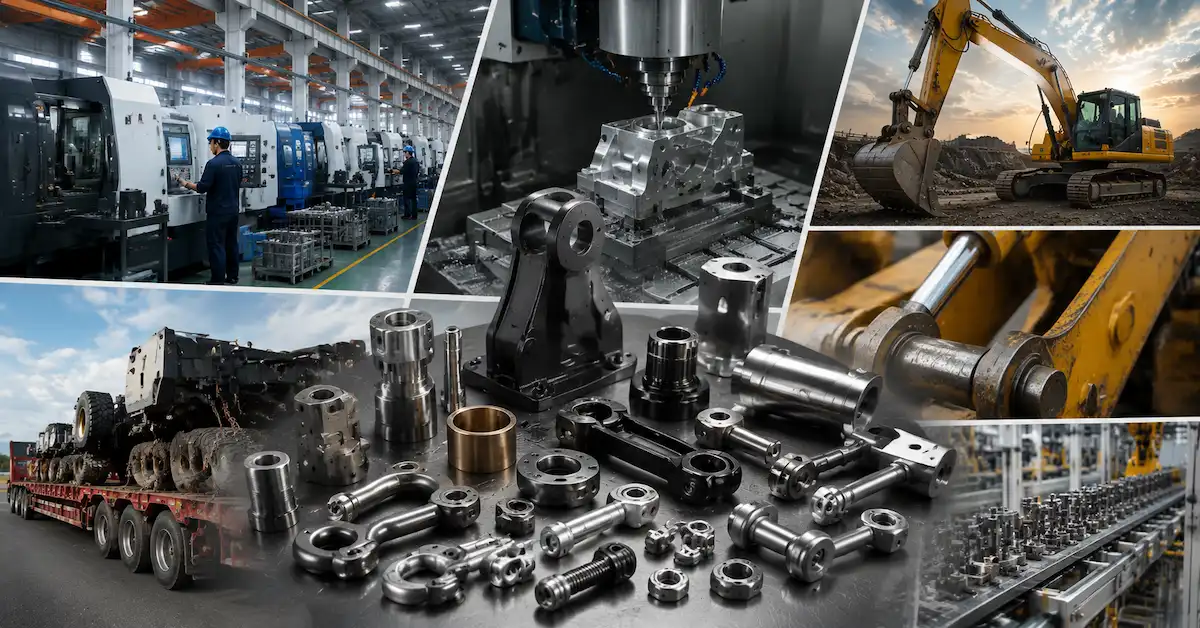
With decades of forging experience, Zhongteli integrates precision dies, controlled atmosphere furnaces, and CNC finishing lines to ensure every hook meets global export and OEM standards.
Core Advantages:
-
ISO & CE Certified Production: Ensures traceability and compliance.
-
Full Range: Eye hooks, clevis hooks, swivel hooks, latch hooks.
-
Heat Treatment Traceability: Batch-recorded for mechanical properties.
-
OEM Customization: Dimensions, coating (zinc, galvanized, powder), and logo engraving.
-
Performance Testing: Load proof test up to 2.5× rated capacity.
Supported by data from SAE International, forged lifting components can maintain 95% structural integrity after 10,000 load cycles, outperforming other manufacturing methods in endurance.
Application Scenarios Across Global Industries
Zhongteli’s forged hooks are deployed across industries where safety and precision are non-negotiable:
-
Construction & Infrastructure: Crane hoists, concrete form handling.
-
Marine & Offshore: Corrosion-resistant coatings for saltwater environments.
-
Mining & Steel Plants: Heavy payload control with anti-fatigue design.
-
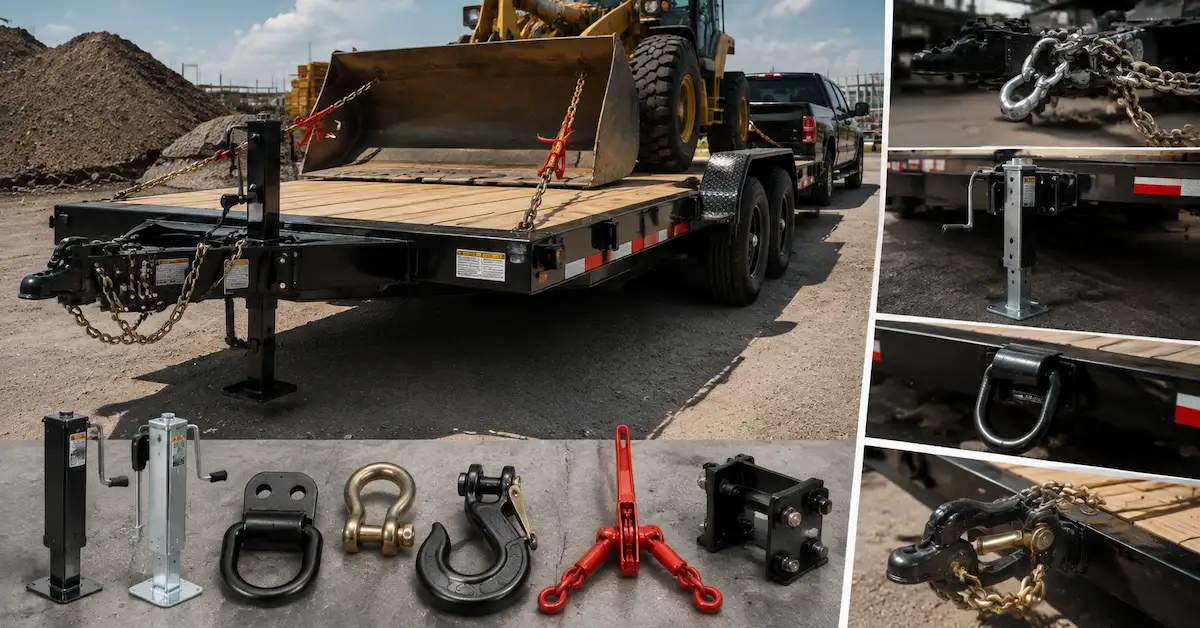
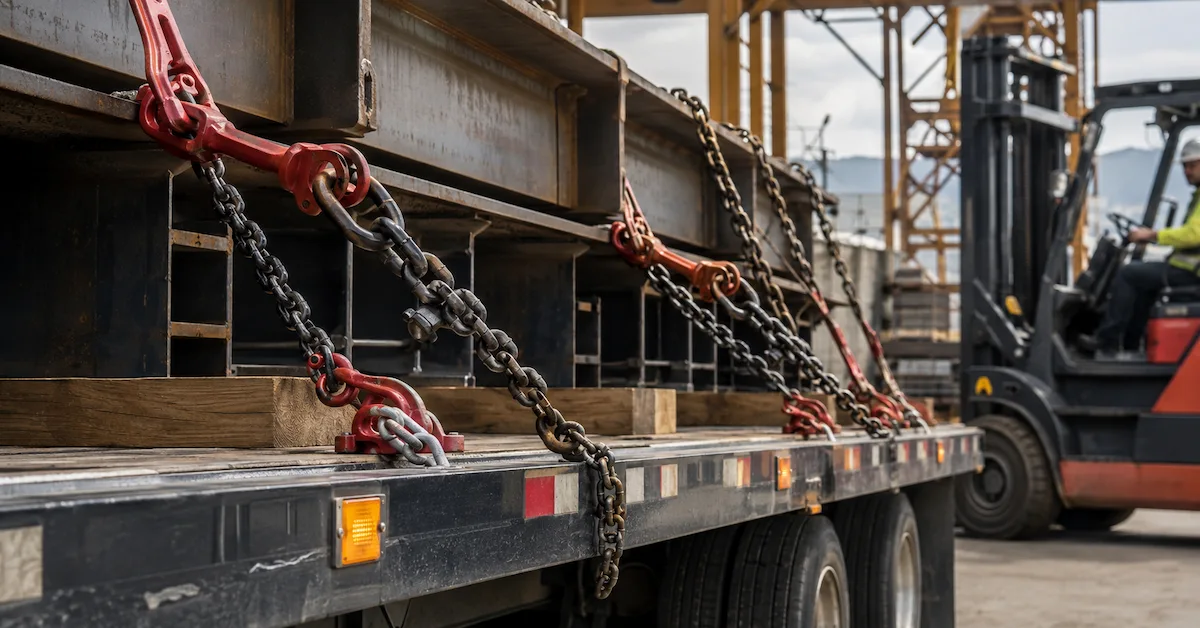
Transportation & Logistics: Integrated with chains and binders for cargo restraint.
-
OEM Equipment Manufacturing: Customized designs for branded load systems.
Each environment requires tailored metallurgy, coating, and hook geometry — areas where Zhongteli’s OEM engineering team delivers consultative solutions.
Selection Guide: Choosing the Right Forged Hook
| Application | Hook Type | Material | Finish | Capacity (WLL) |
|---|---|---|---|---|
| Cargo Lifting | Eye Hook | 42CrMo | Zinc | 5–15 tons |
| Marine Use | Swivel Hook | 316 Stainless | Hot-Dip Galv. | 3–10 tons |
| Rigging Assembly | Clevis Hook | Alloy Steel | Powder Coated | 2–8 tons |
| Crane Operation | Latch Hook | Carbon Steel | Painted | 8–25 tons |
| OEM Integration | Custom Hook | Custom Alloy | OEM Finish | As required |
Choosing the right hook depends on load direction, connection type, and corrosion exposure. Zhongteli’s engineers provide complete mechanical fit and fatigue simulations for each OEM request.
FAQ
Q1: What standards govern forged hook safety?
All Zhongteli hooks comply with ISO 7597, EN 1677-2, and ASME B30.10 load rating standards.
Q2: Can hooks be customized for private branding?
Yes, OEM engraving, packaging, and finish variations (e.g., hot-dip, galvanized, epoxy) are available.
Q3: How often should forged hooks be inspected?
Regular visual checks before each use and full load testing every 12 months, per NIST lifting device guidelines.
Q4: What’s the delivery lead time for bulk export orders?
Typically 25–30 days, with faster turnaround for standard SKUs in inventory.
Built to Endure — Zhongteli Forged Hooks
When every lift matters, precision forging is not an option — it’s a necessity.
Zhongteli, as a professional forged hook manufacturer, brings together metallurgical science, heat treatment control, and inspection discipline to deliver hooks that perform where failure is not allowed.
For OEM partnerships, private labeling, or bulk supply, explore our full product range at Zhongteli’s homepage or contact us directly here.