English


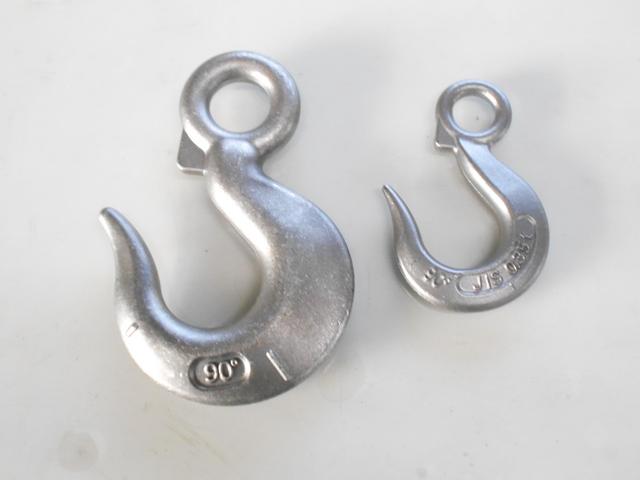
Drop Forged Hooks Designed for Maximum Load Strength and Industrial Reliability
Not all hooks are created equal.
When lifting heavy loads, the manufacturing process behind the hook determines whether it will perform consistently — or fail under stress.
This is where drop forged hooks stand out.
Unlike cast or fabricated alternatives, drop forging reshapes the internal structure of steel, making it significantly stronger, denser, and more reliable under repeated load conditions.
For buyers evaluating a drop forged hook manufacturer, understanding this difference is critical.
Why Drop Forging Changes Everything
Drop forging is not just a shaping process — it is a structural transformation.
Under high pressure, heated steel is compressed into precision dies. This forces the grain flow to follow the shape of the hook, eliminating internal voids and weak points.
The result:
- Higher tensile strength
- Better fatigue resistance
- Improved impact absorption
- Consistent performance under dynamic loads
According to American Society of Mechanical Engineers (ASME B30.10), forged hooks demonstrate superior structural integrity compared to cast components in lifting applications.
Drop Forged Hooks vs Other Hook Types
| Feature | Drop Forged Hook | Cast Hook | Welded Hook |
|---|---|---|---|
| Internal Structure | Dense, aligned grain | Porous | Weld-dependent |
| Strength | Very high | Medium | Variable |
| Fatigue Resistance | Excellent | Low | Moderate |
| Load Safety | Certified | Often inconsistent | Depends on weld |
| Best Use | Heavy-duty lifting | Light applications | Fixed systems |
The difference is not just technical — it directly impacts safety and lifespan.
What Defines a Reliable Manufacturer
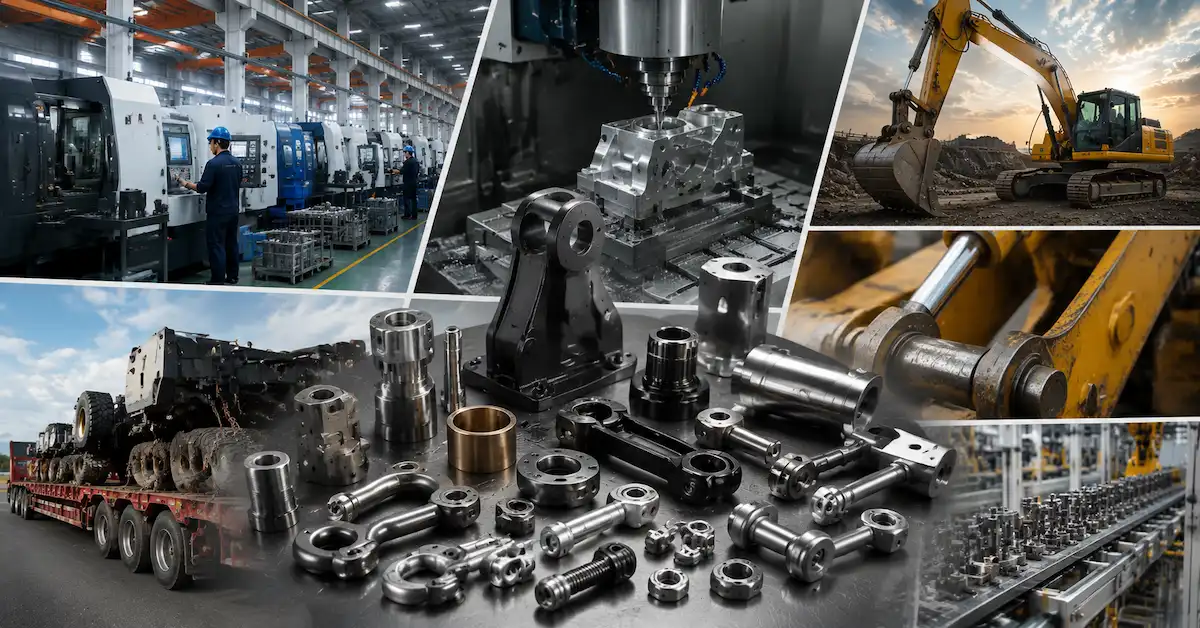
A true drop forged hook manufacturer must control every stage of production.
Key capabilities include:
- Controlled forging temperature and pressure
- Precision die design
- Heat treatment (quenching & tempering)
- CNC finishing for dimensional accuracy
- Surface protection (zinc, powder, galvanizing)
- Proof load testing and NDT inspection
Standards from International Organization for Standardization (ISO 7597) ensure hooks meet strict load and inspection requirements.
Industrial Applications
Drop forged hooks are widely used in high-load environments where failure is not an option:
- Construction — lifting beams and structures
- Shipping & Ports — cargo handling systems
- Mining — heavy material transport
- Energy Projects — wind turbine installation
- OEM Equipment — integrated lifting systems
These applications demand hooks that can withstand both weight and repetition.
Selection Guide
| Application | Hook Type | Material | Coating | Capacity |
|---|---|---|---|---|
| General Lifting | Eye Hook | 42CrMo | Zinc | 5–15T |
| Heavy Industry | Clevis Hook | 35CrMo | Powder | 10–30T |
| Marine Use | Swivel Hook | Alloy Steel | HDG | 5–20T |
| OEM Equipment | Custom Hook | Custom Alloy | Custom | As required |
Choosing the right hook involves more than capacity — it requires matching the hook to the environment and load type.
FAQ
Q1: Why are drop forged hooks stronger?
Because forging aligns the metal grain structure, increasing strength and fatigue resistance.
Q2: Are drop forged hooks suitable for marine use?
Yes, when combined with corrosion-resistant coatings like HDG.
Q3: What certifications should they meet?
ISO, ASME, and EN standards depending on application.
Q4: Can hooks be customized?
Yes, OEM designs are widely supported.
Strength That Starts at the Core
Drop forging is not just a manufacturing method — it is the foundation of strength in industrial lifting.
By refining the internal structure of steel, it ensures every hook delivers consistent performance under heavy loads and repeated use.
Choosing the right drop forged hook manufacturer means more than selecting a supplier. It means securing reliability, compliance, and long-term durability for every lifting operation.
🔗 Explore More
For detailed product specifications, application support, or OEM customization:
👉 https://www.ztlrigging.com/
For quotations, technical inquiries, or partnership discussions:
👉 https://www.ztlrigging.com/contact-us