English


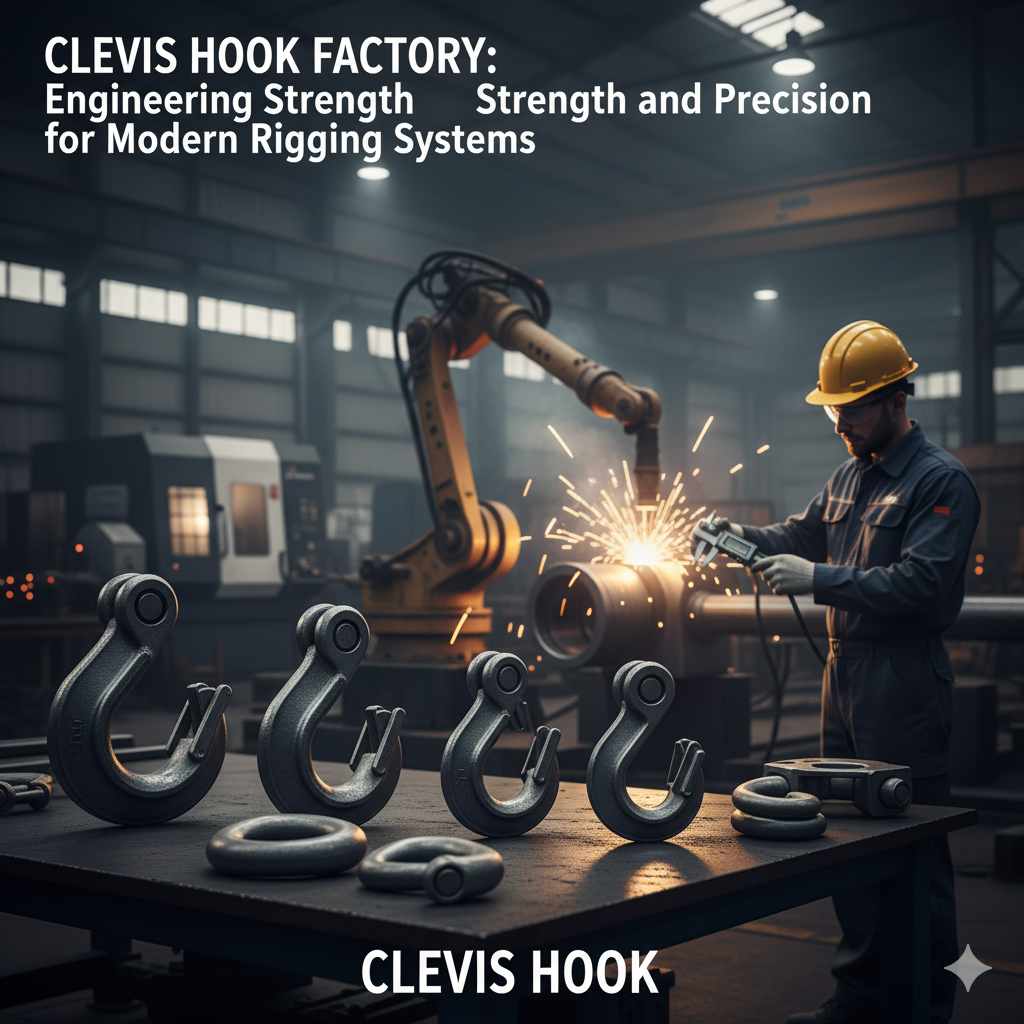
Clevis Hook Factory: Engineering Strength and Precision for Modern Rigging Systems
Every chain assembly relies on a single critical component — the clevis hook.
In global rigging and cargo control operations, this hook is not merely a connector; it’s the mechanical heart that determines whether a system can bear its load safely.
That’s why professional buyers, from OEM equipment manufacturers to global distributors, turn to a certified clevis hook factory like Zhongteli, where strength is forged, not claimed.
The Hidden Risk in Generic Clevis Hooks
In low-cost markets, many clevis hooks are mass-produced with uneven forging, poor grain alignment, and inconsistent tempering — invisible defects that cause catastrophic failures under load.
Real Pain Points for Buyers:
-
Hooks deforming or fracturing under dynamic load.
-
Non-standard pin diameters causing chain fit issues.
-
Inconsistent hardness due to uncontrolled heat treatment.
-
Lack of ISO or ASME compliance documentation.
According to OSHA and ISO 7597:2013 guidelines, lifting hardware must be traceable and tested to withstand 5× its Working Load Limit (WLL). Anything less risks non-compliance — and safety.
Inside the Forging Process: How a Clevis Hook is Made
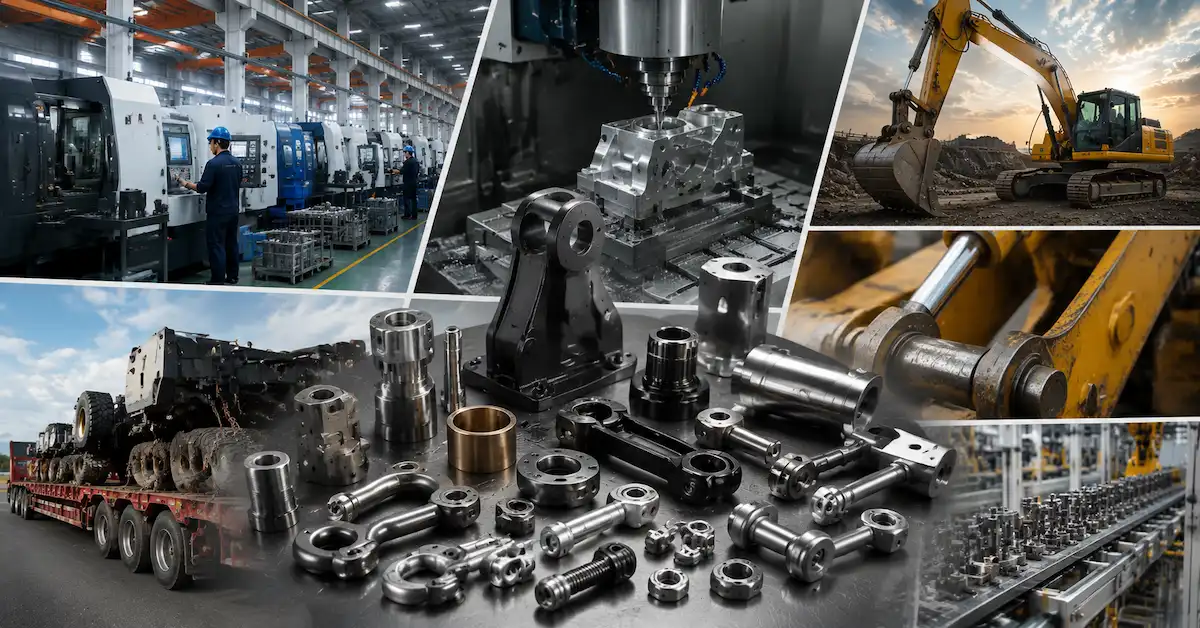
At Zhongteli’s clevis hook factory, every hook is crafted under strict metallurgical control.
This is not simple metal shaping — it’s engineered precision designed to ensure load-bearing reliability.
Manufacturing Workflow:
-
Alloy Selection: Premium 35CrMo or 42Cr alloy steel.
-
Closed Die Forging: Optimizes grain flow to match hook geometry.
-
CNC Finishing: Guarantees pin-hole alignment within ±0.05mm tolerance.
-
Heat Treatment: Quenching and tempering to achieve ideal hardness (HRC 33–38).
-
Surface Treatment: Hot-dip galvanizing, powder coating, or zinc plating for corrosion protection.
-
Quality Control: 100% visual and magnetic particle inspection.
Every batch undergoes proof load testing and fatigue analysis following ASME B30.10 lifting standards, ensuring long-term reliability even in cyclic load environments.
Forged vs. Fabricated: The Structural Difference
| Feature | Forged Clevis Hook | Fabricated or Cast Hook |
|---|---|---|
| Internal Structure | Continuous grain flow, high density | Porous grain, weak under shock |
| Tensile Strength | 850–950 MPa | 450–600 MPa |
| Impact Resistance | Excellent (absorbs shock load) | Brittle under temperature variation |
| Load Cycle Life | 10,000+ tested cycles | 2,000–4,000 cycles |
| Safety Margin | Verified by proof testing | Often uncertified |
The data is clear — forging produces predictable mechanical behavior. That’s why clevis hooks from Zhongteli are used in critical lifting, marine, and transport applications worldwide.
Why Zhongteli Leads the Clevis Hook Manufacturing Market
Zhongteli combines metallurgical expertise, automation, and global certification to maintain unmatched consistency across every clevis hook produced.
Core Advantages:
-
ISO 9001 & CE Certified Manufacturing
-
Load Testing: 100% proof-tested at 2.5× WLL
-
OEM & ODM Support: Custom geometry, coating, and branding
-
In-House Die Design: Reduces tolerance deviation and production lead time
-
Corrosion Protection: Zinc, epoxy, or hot-dip galvanized coating options
-
Global Export: Servicing North America, Europe, and the Middle East
Research from McKinsey & Company confirms that B2B buyers increasingly prefer vertically integrated factories with traceable processes — a model Zhongteli exemplifies.
Application Scenarios for Clevis Hooks
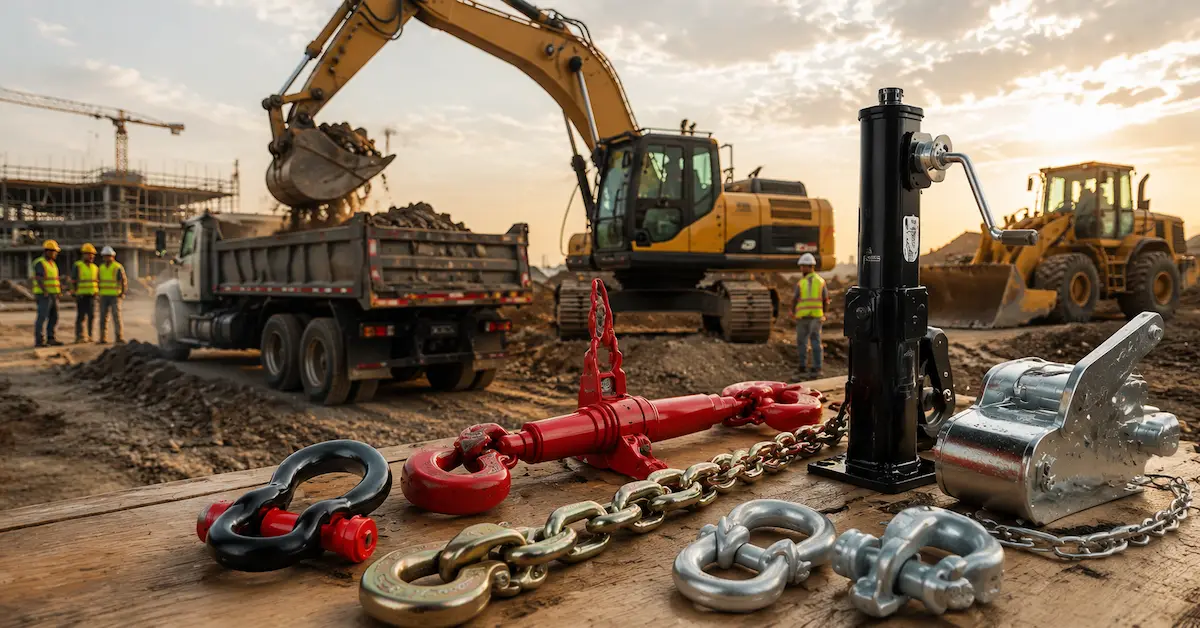
Zhongteli clevis hooks support multiple industries where safety and precision are mission-critical:
-
Construction: Crane hoisting and formwork installation.
-
Marine & Offshore: Corrosion-resistant designs for mooring systems.
-
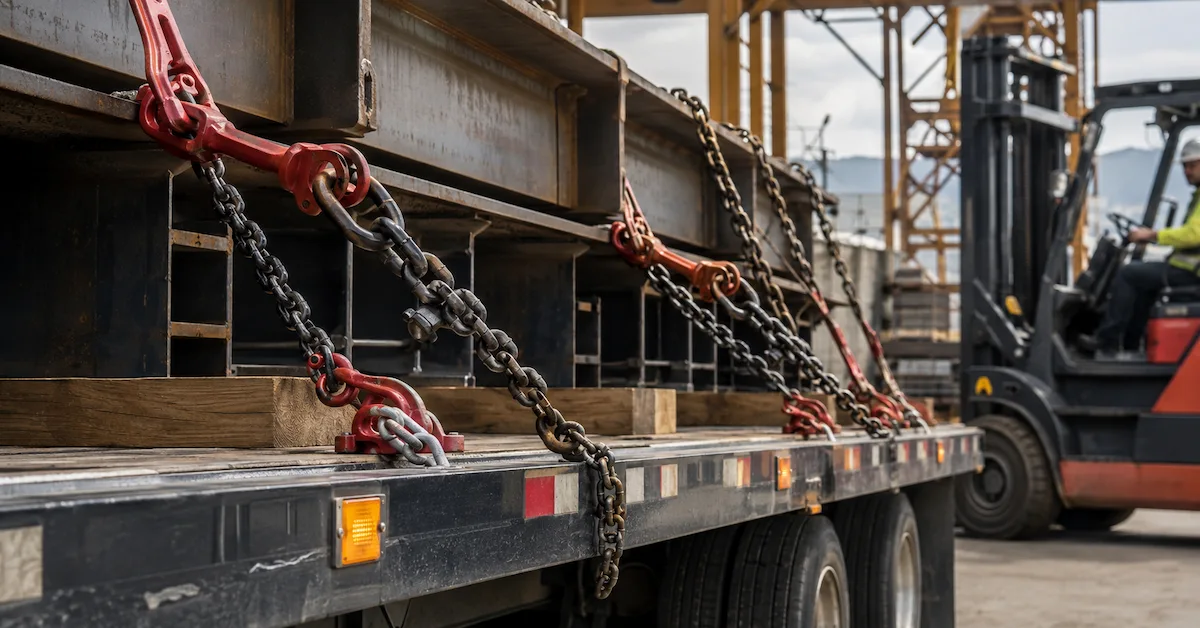
Transport & Logistics: Cargo lashing and chain restraint systems.
-
Mining & Energy: Fatigue-resistant hooks for repetitive load cycles.
-
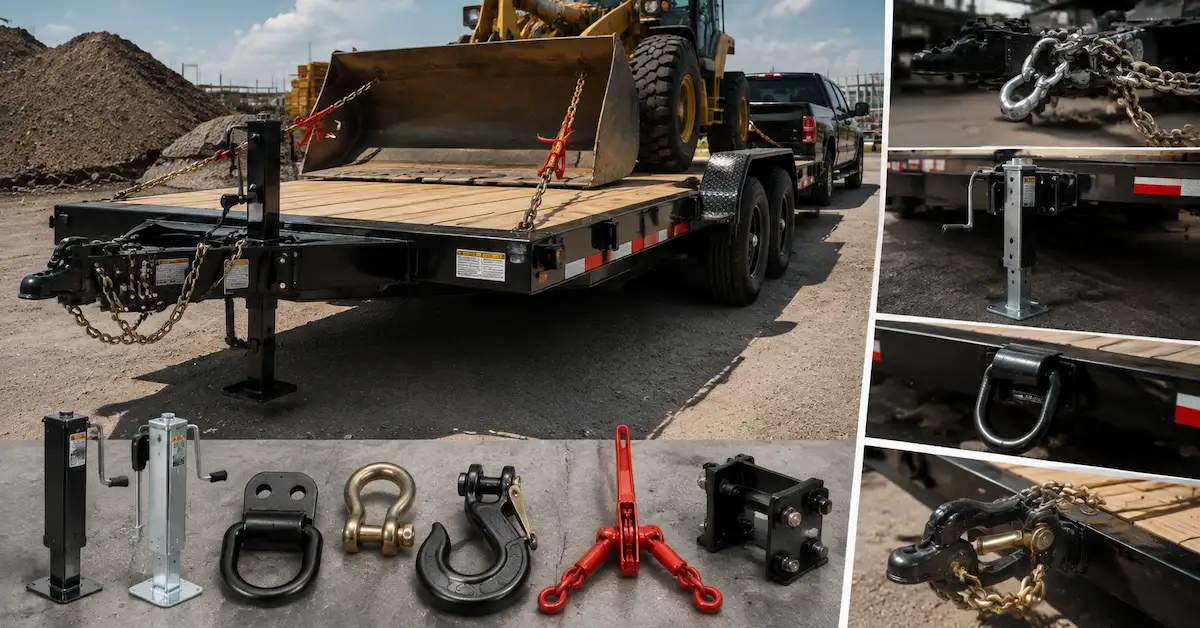
OEM Manufacturing: Integrated lifting systems for machinery and trailers.
Each clevis hook type is matched to its load path geometry, pin configuration, and operating conditions — ensuring mechanical synergy in every rigging system.
Choosing the Right Clevis Hook
| Application | Hook Type | Material | Finish | WLL (Tons) |
|---|---|---|---|---|
| General Rigging | Standard Clevis Hook | 42CrMo | Zinc Plated | 5–10T |
| Marine Use | Galvanized Hook | 316 Stainless | HDG | 3–8T |
| Heavy Lifting | Alloy Clevis Hook | 35CrMo | Powder Coated | 10–20T |
| Industrial OEM | Custom Clevis Hook | Custom Alloy | OEM Finish | As Required |
| Construction | Grab Clevis Hook | Carbon Steel | Painted | 8–15T |
The right selection depends on the type of chain, working angle, and environmental exposure — all factors Zhongteli’s engineering team assesses for each client.
FAQ
Q1: What certifications are Zhongteli clevis hooks tested to?
All products comply with ISO 7597, EN 1677, and ASME B30.10 lifting standards.
Q2: Can Zhongteli produce OEM designs?
Yes, Zhongteli offers complete OEM solutions including branding, finish, and customized geometry.
Q3: What is the typical delivery lead time?
Standard items ship within 25 days; custom OEM batches take 30–35 days depending on volume.
Q4: How does Zhongteli ensure weld-free integrity?
Each hook is forged from a single billet, ensuring full structural integrity without weld seams.
Built for Strength, Designed for Safety
Every forged clevis hook from Zhongteli is a product of metallurgical precision, not mass production.
From alloy refinement to proof testing, every step ensures the hook can perform under real-world stress — where safety and engineering meet.
For OEM cooperation, distributor partnerships, or export inquiries, explore Zhongteli’s full product range or contact us directly here.