English


Trailer Torque Shafts Built for Stable Power Transmission in Heavy Transport Systems
In trailer systems, power transmission is not always visible — but it is always essential.
From agricultural trailers to heavy-duty transport platforms, torque shafts ensure that rotational force is transferred smoothly and consistently.
When this system fails, the consequences are immediate: vibration, instability, and mechanical inefficiency.
That is why selecting a reliable trailer torque shaft supplier is critical for ensuring both performance and durability in demanding transport environments.
Why Trailer Systems Require Specialized Torque Shafts
Unlike standard mechanical shafts, trailer torque shafts operate under variable load conditions — including movement, uneven terrain, and continuous vibration.
Common issues with low-quality shafts include:
- Torsional fatigue under repeated stress
- Misalignment leading to vibration
- Power loss due to poor machining precision
- Premature wear in high-load conditions
According to American Society of Mechanical Engineers mechanical design principles, shaft components must maintain both strength and alignment to ensure efficient torque transmission.
How Trailer Torque Shafts Are Engineered
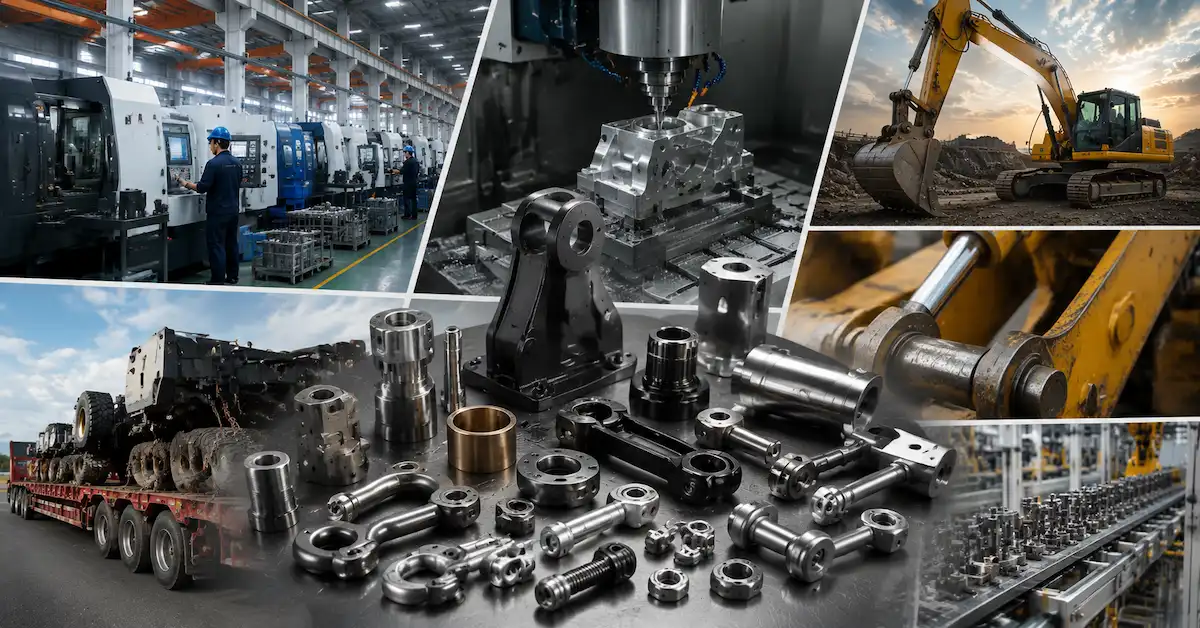
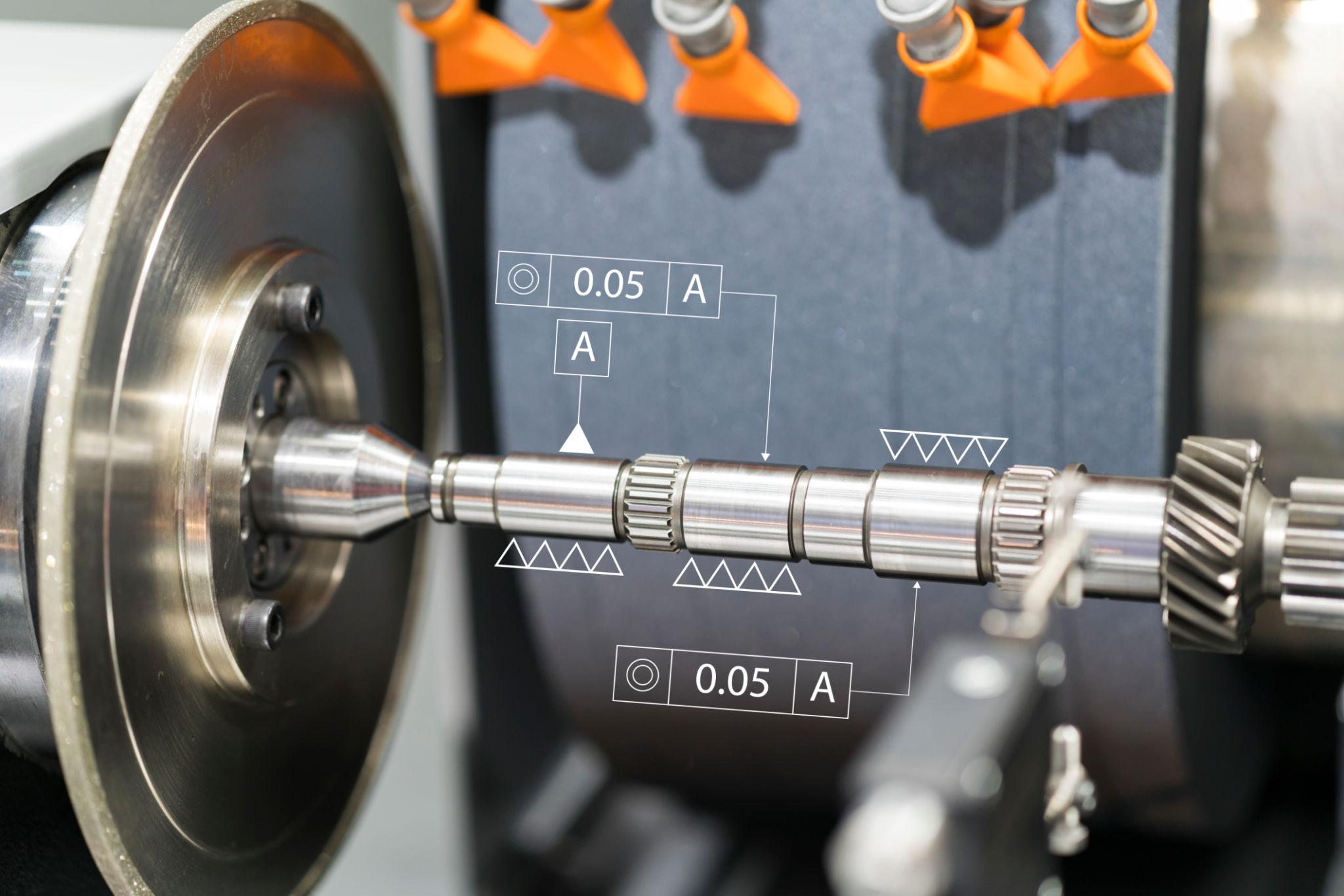
A high-performance trailer torque shaft combines material strength with precision engineering.
Key manufacturing elements include:
- Alloy steel materials such as 40Cr or 42CrMo
- Heat treatment to enhance torsional strength
- Precision CNC machining for tight tolerances
- Dynamic balancing to reduce vibration
- Surface hardening to improve wear resistance
These processes ensure that the shaft performs reliably under both rotational force and environmental stress.
Standards from International Organization for Standardization define dimensional accuracy and mechanical tolerance requirements.
Trailer Torque Shaft vs Standard Shaft
| Feature | Trailer Torque Shaft | Standard Shaft |
|---|---|---|
| Application | Transport systems | General machinery |
| Load Type | Dynamic + torsional | Basic rotation |
| Precision | High | Moderate |
| Durability | High | Medium |
| Stability | Designed for vibration | Limited |
Trailer shafts are specifically engineered for real-world transport conditions, not controlled environments.
What Defines a Reliable Supplier
A professional trailer torque shaft supplier must provide consistency in both material and machining quality.
Key capabilities include:
- Certified material sourcing
- CNC precision machining
- Heat treatment control
- Dynamic balancing
- OEM customization for trailer systems
- Quality inspection and testing
Industry insights from SAE International show that proper material treatment significantly improves fatigue life in rotating components.
Application Scenarios
Trailer torque shafts are widely used in systems requiring stable power transfer:
- Agricultural Trailers — PTO power transmission
- Heavy Transport Trailers — drivetrain systems
- Construction Equipment — mobile machinery
- Industrial Transport Systems — continuous load movement
- OEM Trailer Equipment — custom integration
Each application requires shafts that maintain performance under movement, load variation, and environmental exposure.
Selection Guide
| Application | Shaft Type | Material | Treatment | Use |
|---|---|---|---|---|
| Agriculture | PTO Shaft | Alloy Steel | Hardened | Power transfer |
| Transport | Drive Shaft | 42CrMo | Quenched | Heavy load |
| Construction | Torque Shaft | Alloy Steel | Surface Hardened | Stability |
| OEM | Custom Shaft | Custom Alloy | Custom | Integrated system |
Choosing the right shaft depends on torque requirements, speed, and operating conditions.
FAQ
Q1: What is the main function of a trailer torque shaft?
To transfer rotational force efficiently within trailer systems.
Q2: What materials are commonly used?
High-strength alloy steels such as 40Cr and 42CrMo.
Q3: How is shaft performance improved?
Through heat treatment, precision machining, and balancing.
Q4: Can shafts be customized?
Yes, OEM customization is widely supported.
Designed for Movement, Built for Stability
Trailer systems operate in dynamic environments where stability is essential.
A well-engineered torque shaft ensures smooth power transmission, reduced vibration, and long-term durability.
Choosing a reliable trailer torque shaft supplier ensures that every system performs efficiently under real-world conditions — not just in theory.
🔗 Explore More
For specifications, OEM customization, or product options:
👉 https://www.ztlrigging.com/
For quotations or technical consultation:
👉 https://www.ztlrigging.com/contact-us