English


Ratchet tensioner devices are essential tools in the world of cargo management, providing secure and reliable ways to tighten and hold loads in place during transportation and storage. These innovative mechanisms, like the Premium Load Binder offered by Ningbo Zhongteli Rigging Co., Ltd., ensure that items remain stable and protected, minimizing the risks associated with shifting cargo. In this article, we'll explore the features, benefits, and applications of ratchet tensioners, highlighting how they enhance safety and efficiency in various industries.
What is a Ratchet Tensioner?
A ratchet tensioner is a mechanical device designed to apply and maintain tension on straps, chains, or ropes used for securing loads. It operates through a ratcheting mechanism that allows users to tighten the material incrementally, ensuring a firm hold without the need for excessive force. The Premium Load Binder from Ningbo Zhongteli Rigging Co., Ltd. exemplifies this technology, featuring a vivid green finish that not only adds visual appeal but also provides durability against environmental elements like rust and wear. This design choice makes it ideal for outdoor use in logistics, shipping, and construction sectors. The centralized handle on the ratchet tensioner distributes force evenly, reducing user strain and enabling quick adjustments. By incorporating sturdy forged hooks, the device can withstand immense pressures, offering peace of mind that cargo will stay secure even under challenging conditions.
Key Features and Benefits of Ratchet Tensioners
One of the standout features of a ratchet tensioner is its user-friendly design, which prioritizes both efficiency and safety. The Premium Load Binder, for instance, is engineered with precision to allow for smooth operation, where the ratchet mechanism locks into place once the desired tension is achieved, preventing any unintended loosening. This is particularly beneficial in high-stakes environments like international shipping, where cargo must endure vibrations and movements without shifting. Additionally, the device's construction from high-quality metals ensures longevity, with meticulous attention to detail in every component, from the industrial sheen of the hooks to the overall build. Users report that these tensioners reduce the time spent on securing loads, thereby increasing productivity on job sites. Moreover, the ergonomic handle design minimizes the risk of hand injuries, making it a preferred choice for professionals who handle heavy-duty tasks daily. Ratchet tensioners also come in various sizes and capacities, allowing for versatility across different applications, whether it's strapping down machinery on a truck or securing building materials on a construction site.
Applications in Various Industries
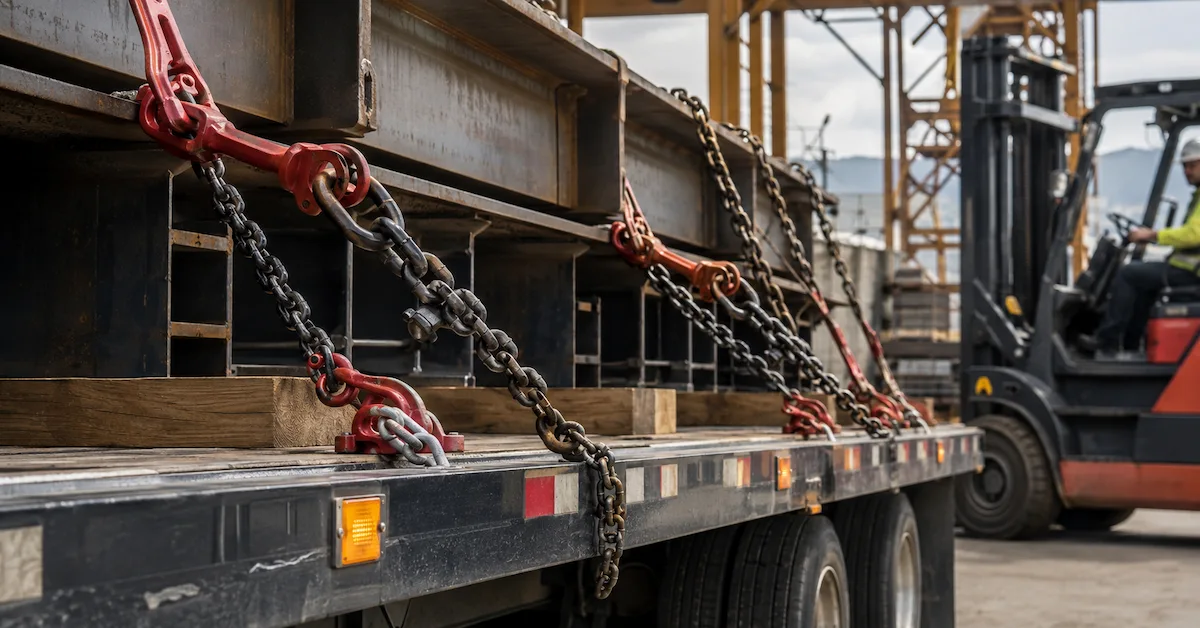
In the logistics industry, ratchet tensioners play a crucial role in ensuring that goods are transported safely from one location to another. For example, in trucking and freight operations, these devices are used to secure pallets and oversized items on trailers, preventing accidents caused by load shifts during transit. The Premium Load Binder from Ningbo Zhongteli Rigging Co., Ltd. has gained popularity for its ability to handle diverse load types, thanks to its robust engineering and high load-bearing capacity. In the construction sector, ratchet tensioners are indispensable for tying down equipment and materials on-site, where weather conditions can be unpredictable. They are also widely used in agriculture for bundling hay or securing farm equipment, and even in recreational activities like tying down boats or ATVs on trailers. The adaptability of ratchet tensioners makes them a versatile tool, contributing to operational efficiency and cost savings by reducing the need for additional securing methods. Furthermore, their ease of use means that even those without extensive training can operate them effectively, broadening their appeal across industries.
How to Properly Use and Maintain a Ratchet Tensioner
To get the most out of a ratchet tensioner, it's important to follow proper usage and maintenance guidelines. Begin by selecting the appropriate strap or chain for your load, ensuring it matches the tensioner's capacity to avoid overload. Attach the hooks securely to the anchor points, then use the handle to ratchet the device until the load is firmly in place. Always double-check the tension to ensure it's even and secure before transport. Maintenance is key to extending the life of your ratchet tensioner; regularly inspect for any signs of wear, such as frayed straps or damaged hooks, and clean the device after each use to prevent corrosion. Lubricating the ratchet mechanism can also improve its performance over time. By adhering to these practices, users can rely on their ratchet tensioner for years, making it a worthwhile investment. Companies like Ningbo Zhongteli Rigging Co., Ltd. emphasize the importance of quality control in their products, which helps in maintaining these standards.
The Future of Ratchet Tensioners in Cargo Management
As technology advances, ratchet tensioners are evolving to meet new challenges in cargo management. Innovations may include integrated sensors that alert users to potential issues, such as over-tensioning or loosening, enhancing safety protocols. The Premium Load Binder already sets a high standard with its blend of form and function, but future models could incorporate lighter materials without sacrificing strength, making them even more user-friendly. This evolution underscores the device's role in modern logistics, where efficiency and reliability are paramount. Ratchet tensioners will continue to be a staple in the industry, adapting to the growing demands of global trade and environmental sustainability. By choosing high-quality products from reputable manufacturers, businesses can ensure they stay ahead in an ever-changing landscape.
In conclusion, the ratchet tensioner is an indispensable tool that combines strength, ease of use, and durability to secure loads effectively. From its applications in daily operations to its role in advancing industry standards, this device remains a cornerstone of safe and efficient cargo handling. As we've explored, products like those from Ningbo Zhongteli Rigging Co., Ltd. exemplify the best in engineering and design, making them a smart choice for professionals worldwide.