English


Precision Torque Shafts Engineered for High Accuracy and Stable Power Transmission
In modern mechanical systems, power transmission is no longer just about strength — it is about precision.
Even a slight deviation in shaft alignment or diameter can lead to vibration, noise, and long-term system failure.
That is why precision torque shafts are essential in applications where accuracy directly impacts performance.
For buyers working with a precision torque shaft factory, the focus shifts from “can it work” to
👉 how efficiently and consistently it performs over time.
Why Precision Matters in Torque Transmission
Torque shafts operate under rotational stress, where balance and alignment are critical.
When precision is compromised, the result is immediate:
- Increased vibration
- Uneven load distribution
- Faster wear on connected components
- Reduced transmission efficiency
According to American Society of Mechanical Engineers, shaft alignment and tolerance directly influence system lifespan and efficiency.
How Precision Torque Shafts Are Manufactured
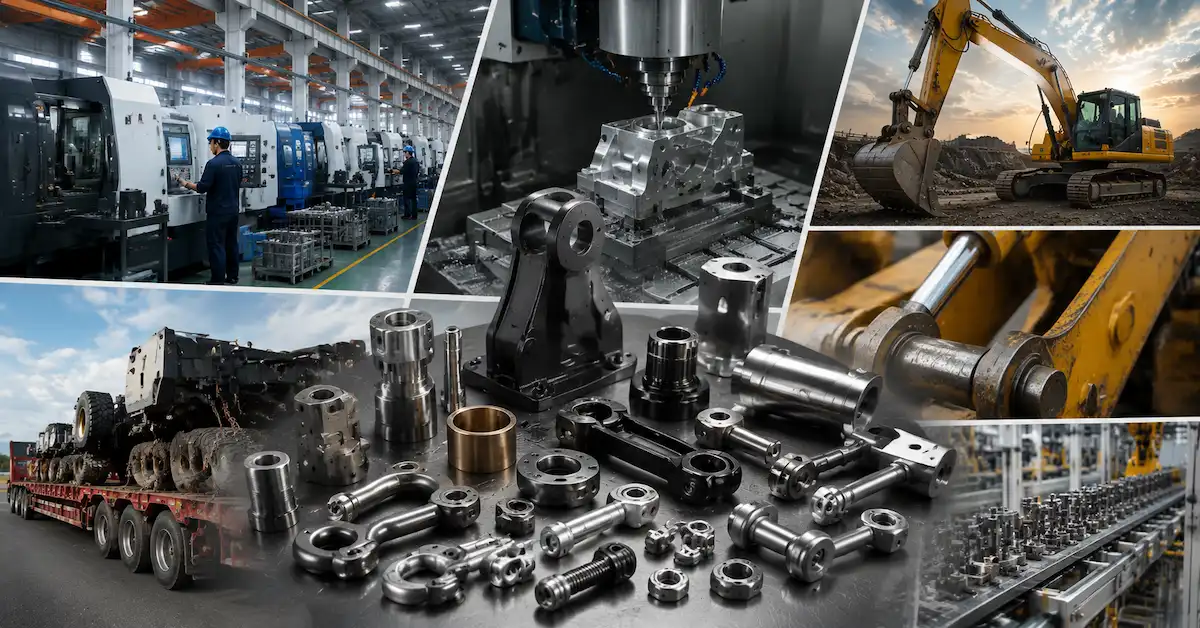
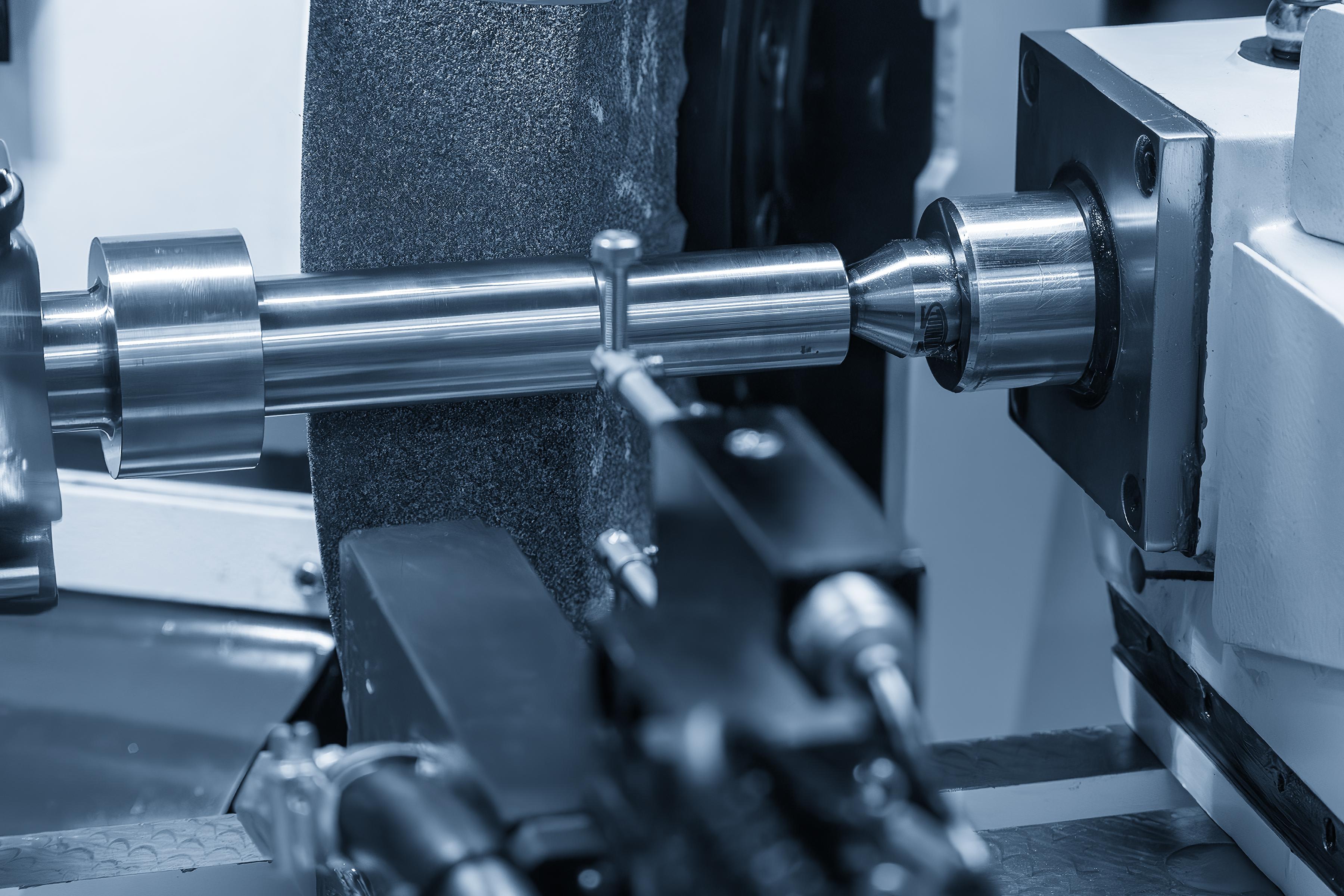
A high-quality precision shaft is the result of controlled machining and strict tolerance management.
Key processes include:
- CNC turning and milling for tight dimensional accuracy
- Grinding processes to achieve micron-level tolerance
- Heat treatment for strength and durability
- Dynamic balancing to reduce vibration
- Surface finishing for wear resistance
These processes ensure the shaft performs under both rotational and torsional loads without deviation.
Standards from International Organization for Standardization define tolerances and measurement benchmarks for precision components.
Precision Shaft vs Standard Shaft
| Feature | Precision Torque Shaft | Standard Shaft |
|---|---|---|
| Tolerance | Very tight (micron level) | Standard |
| Surface Finish | Smooth / polished | Basic |
| Balance | High precision | Moderate |
| Performance | Stable, efficient | Variable |
| Application | High-end systems | General use |
Precision shafts are designed for systems where every rotation must be exact.
What Defines a Precision Torque Shaft Factory
A professional precision torque shaft factory must combine advanced machinery with strict quality control.
Key capabilities include:
- High-precision CNC equipment
- Grinding and finishing systems
- Material certification (MTR reports)
- Quality inspection with micrometer-level measurement
- Dynamic balancing systems
- OEM customization for complex assemblies
Research from SAE International shows that precision machining significantly reduces wear and improves efficiency in rotating components.
Application Scenarios
Precision torque shafts are used in systems where performance depends on accuracy:
- Automotive Systems — drivetrain components
- Industrial Machinery — high-speed equipment
- Automation Systems — robotic motion control
- CNC Equipment — precision motion systems
- OEM Mechanical Systems — integrated assemblies
These applications demand shafts that maintain accuracy under continuous operation.
Selection Guide
| Application | Shaft Type | Material | Treatment | Use |
|---|---|---|---|---|
| Automotive | Drive Shaft | Alloy Steel | Hardened | Power transfer |
| CNC Machine | Precision Shaft | 42CrMo | Ground | High accuracy |
| Automation | Servo Shaft | Alloy Steel | Polished | Motion control |
| OEM | Custom Shaft | Custom Alloy | Custom | Integrated systems |
Selecting the right shaft requires balancing precision, strength, and application requirements.
FAQ
Q1: What defines a precision torque shaft?
Tight tolerances, smooth surface finish, and balanced rotation.
Q2: Why is CNC machining important?
It ensures dimensional accuracy and repeatability.
Q3: Can precision shafts be customized?
Yes, OEM customization is widely supported.
Q4: What affects shaft accuracy?
Machining process, material quality, and finishing methods.
Accuracy That Drives Performance
Precision torque shafts are not just components — they are the foundation of efficient mechanical systems.
Their accuracy determines how smoothly power is transmitted and how long equipment operates without failure.
Choosing a reliable precision torque shaft factory ensures consistent quality, improved performance, and long-term operational stability.
🔗 Explore More
For specifications, OEM customization, or product solutions:
👉 https://www.ztlrigging.com/
For quotations or technical consultation:
👉 https://www.ztlrigging.com/contact-us