English


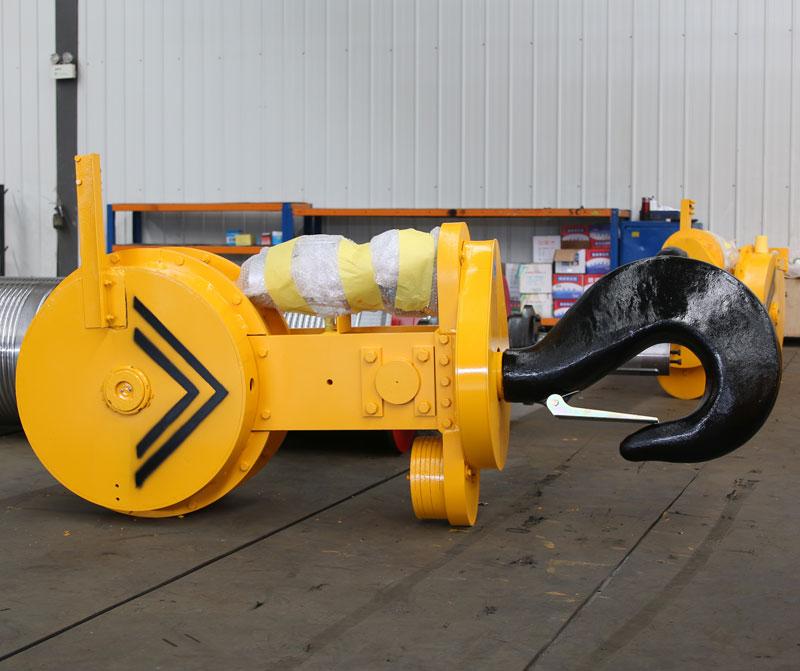
Marine Hooks Built to Resist Corrosion and Perform in Harsh Offshore Conditions
Saltwater does not forgive weak materials.
In marine environments, lifting hardware faces constant exposure to moisture, salt, and fluctuating temperatures. A standard hook may perform well inland — but offshore, it can corrode, weaken, and fail far sooner than expected.
This is why choosing a reliable marine hook supplier is critical. The right supplier delivers not just hooks, but marine-grade reliability engineered to survive harsh conditions over time.
Why Marine Applications Demand Specialized Hooks
Unlike typical industrial lifting, marine operations involve continuous exposure to corrosive elements. Even small weaknesses in coating or material selection can lead to rapid degradation.
Common challenges include:
- Saltwater corrosion causing surface pitting
- Reduced load capacity due to material fatigue
- Seized moving parts from oxidation
- Increased maintenance and replacement frequency
According to American Society of Mechanical Engineers (ASME B30.10), lifting hooks must maintain structural integrity under environmental stress — especially in offshore applications where failure risk is significantly higher.
What Makes a Marine Hook Different
Marine hooks are engineered with both material science and protective systems in mind.
Key design elements include:
- Alloy or Stainless Steel Construction (e.g., 316 stainless or coated 42CrMo)
- Hot-Dip Galvanizing (HDG) for enhanced corrosion resistance
- Epoxy or Marine Coatings to prevent salt penetration
- Sealed or Reinforced Structures to reduce exposure points
- Precision Forging for high fatigue resistance
Standards from International Organization for Standardization (ISO 9227 salt spray testing) are often used to evaluate corrosion resistance performance in marine-grade hardware.
Marine Hooks vs Standard Hooks
| Feature | Marine Hook | Standard Industrial Hook |
|---|---|---|
| Corrosion Resistance | High (HDG / Stainless) | Moderate |
| Material | Alloy / Stainless Steel | Carbon Steel |
| Environment | Offshore / Marine | Dry / Industrial |
| Maintenance | Low (long-term durability) | Higher |
| Lifespan | 3–5 years offshore use | Shorter in marine |
The difference is not just durability — it is operational safety under environmental stress.
What to Look for in a Marine Hook Supplier
A qualified marine hook supplier must control both material selection and surface protection processes.
Key capabilities include:
- Certified corrosion-resistant coating systems
- Material traceability (MTR reports)
- Salt spray and fatigue testing
- Compliance with ISO / ASME / EN standards
- OEM customization for offshore equipment
Industry data from SAE International indicates that corrosion-resistant coatings can extend component lifespan by more than 40% in marine environments.
Typical Marine Applications
Marine hooks are used across a wide range of offshore and coastal operations:
- Shipyards — lifting ship components and structures
- Offshore Platforms — handling equipment and materials
- Ports & Logistics — cargo handling and container securing
- Fishing & Marine Equipment — load-bearing hook systems
- Marine Engineering Projects — installation and maintenance
In each case, reliability depends on resistance to corrosion + consistent load performance.
Selection Guide
| Application | Hook Type | Material | Coating | Capacity |
|---|---|---|---|---|
| Shipyard Lifting | Eye Hook | 42CrMo | HDG | 5–15T |
| Offshore Use | Swivel Hook | Stainless Steel | Natural | 5–10T |
| Port Operations | Clevis Hook | Alloy Steel | Epoxy | 10–20T |
| Marine Equipment | Custom Hook | Custom Alloy | Marine Coating | As required |
Choosing the right hook requires evaluating both load conditions and environmental exposure.
FAQ
Q1: What material is best for marine hooks?
Stainless steel or alloy steel with HDG coating is commonly used.
Q2: How is corrosion resistance tested?
Through salt spray testing (ISO 9227) and coating thickness inspection.
Q3: Are marine hooks suitable for offshore platforms?
Yes, when properly coated and certified.
Q4: Can hooks be customized for marine equipment?
Yes, OEM designs are commonly required for marine systems.
Built for the Ocean, Designed to Last
Marine environments demand consistency, durability, and protection against corrosion.
Choosing the right marine hook supplier ensures that every lifting operation remains safe, stable, and reliable over time.
High-quality marine hooks are not just components — they are critical safety elements designed to perform under continuous exposure to harsh offshore conditions.
To explore detailed specifications or discuss OEM solutions tailored to your application, visit
👉 https://www.ztlrigging.com/
or contact the team directly at
👉 https://www.ztlrigging.com/contact-us