English


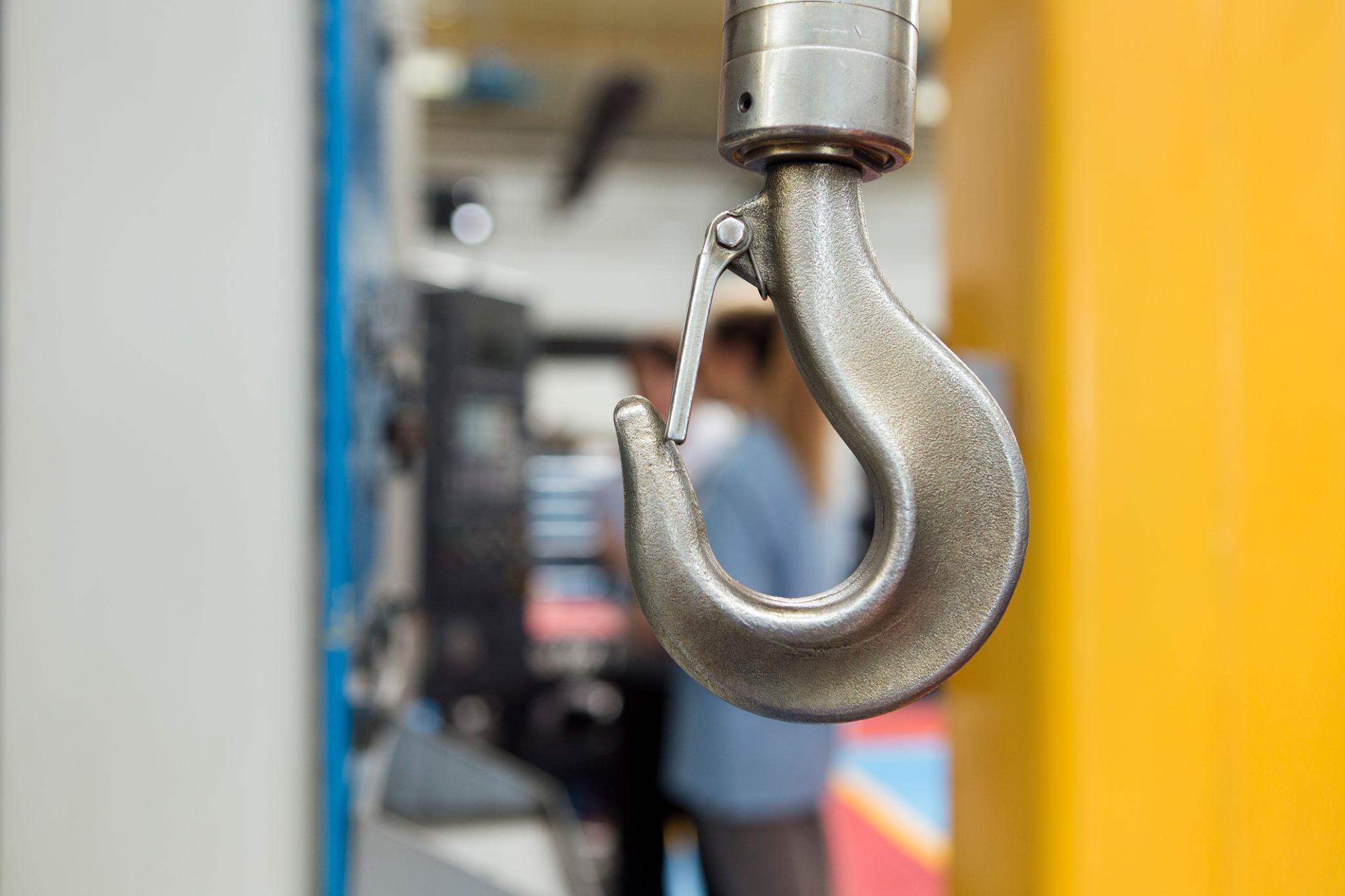
Industrial Lifting Hooks Designed for High-Load Performance and Long-Term Reliability
In industrial lifting, the smallest component often carries the greatest responsibility. A lifting hook may look simple, but when it connects cranes, chains, and heavy loads, it becomes a critical safety point in the entire system.
Choosing a qualified industrial lifting hook manufacturer is not just about sourcing hardware — it is about ensuring consistent performance, certified safety, and long-term durability under extreme conditions.
Why Industrial Lifting Requires More Than Standard Hooks
In controlled environments, standard hooks may perform adequately. But industrial applications introduce variables that quickly expose weaknesses: vibration, shock loading, corrosion, and continuous operation.
Common failures in low-quality hooks include:
- Deformation under peak loads
- Micro-cracks from poor heat treatment
- Surface corrosion leading to structural weakness
- Misalignment in connection points
According to American Society of Mechanical Engineers B30.10, lifting hooks must meet strict load rating and inspection standards to ensure operational safety.
The Engineering Behind Industrial Lifting Hooks
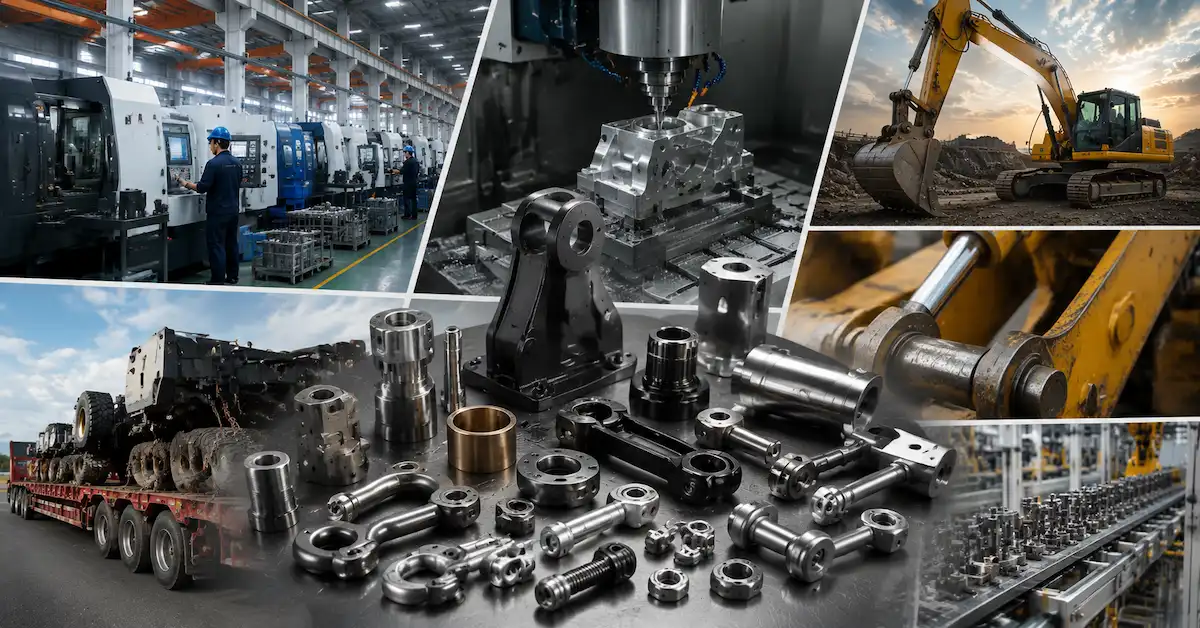
At a professional manufacturing level, lifting hooks are not simply shaped — they are engineered through controlled processes.
Key production steps include:
- Alloy steel selection (35CrMo / 42Cr) for high tensile strength
- Closed-die forging to align grain flow with load direction
- Heat treatment to balance hardness and ductility
- CNC finishing for dimensional precision
- Surface coating for corrosion resistance
The result is a hook capable of withstanding dynamic loads, repeated cycles, and harsh environments without performance degradation.
Standards from International Organization for Standardization (ISO 7597) define testing and performance requirements, ensuring reliability across global markets.
Industrial Hooks vs General Rigging Hooks
| Feature | Industrial Lifting Hook | General Hook |
|---|---|---|
| Load Capacity | High (5T–50T) | Low to medium |
| Manufacturing | Forged alloy steel | Often cast or mixed steel |
| Fatigue Resistance | High | Moderate |
| Certification | ISO / ASME / EN | Often limited |
| Application | Continuous heavy-duty use | Occasional lifting |
Industrial hooks are designed not just to lift — but to endure.
What Defines a Reliable Manufacturer
A true industrial lifting hook manufacturer must control both material and process.
Key capabilities include:
- Certified forging process
- Controlled heat treatment systems
- Full traceability of raw materials
- Load testing and NDT inspection
- OEM customization support
Research from SAE International indicates that forged components maintain significantly higher fatigue resistance compared to cast alternatives, especially under repeated load cycles.
Application Scenarios
Industrial lifting hooks are used wherever heavy loads must be moved safely and repeatedly:
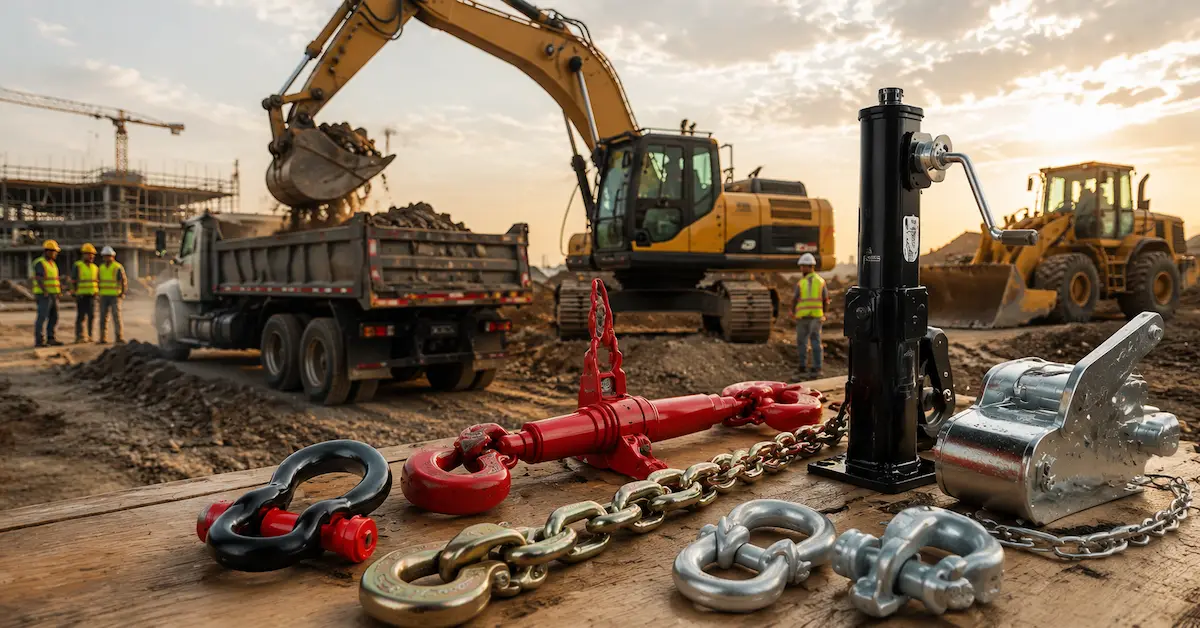
- Construction Sites — lifting beams, concrete elements
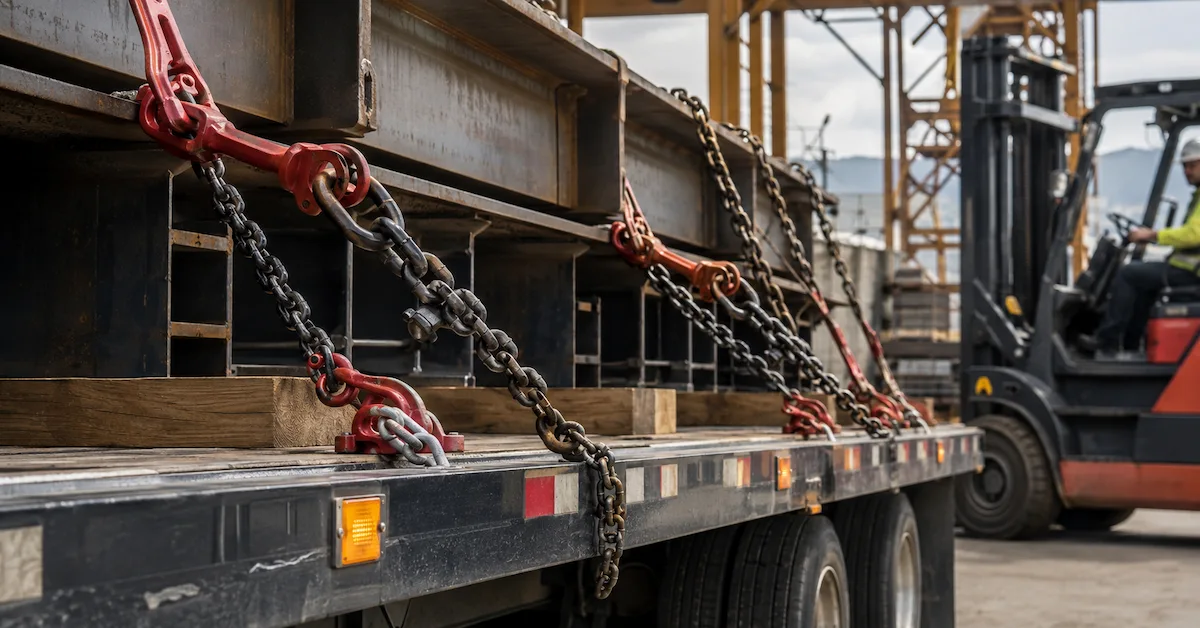
- Shipping & Ports — container handling and cargo securing
- Mining Operations — harsh environments with continuous use
- Energy Sector — turbine installation and maintenance
- Manufacturing Plants — internal material handling systems
Each application requires hooks that match load direction, frequency, and environmental exposure.
Selection Guide
| Application | Hook Type | Material | Coating | Capacity |
|---|---|---|---|---|
| Construction | Eye Hook | 42CrMo | Zinc | 5–15T |
| Heavy Industry | Clevis Hook | 35CrMo | Powder | 10–30T |
| Marine Use | Swivel Hook | Alloy + Stainless | HDG | 5–20T |
| OEM Equipment | Custom Hook | Custom Alloy | Custom | As required |
Selecting the right hook is about matching mechanical strength with operational conditions — not just choosing based on size.
FAQ
Q1: What standards should industrial lifting hooks meet?
ISO, ASME, and EN standards depending on application and export requirements.
Q2: How often should hooks be inspected?
Before each use visually, with periodic load testing for industrial operations.
Q3: Are OEM custom designs supported?
Yes, including geometry, coating, and branding.
Q4: What affects hook lifespan?
Load cycles, environment, and material quality are the main factors.
Built for Demanding Environments
Industrial lifting is unforgiving. Equipment must perform every time — without exception.
A professional industrial lifting hook manufacturer ensures that each hook delivers strength, reliability, and compliance, supporting operations where safety is non-negotiable.
For detailed specifications or OEM cooperation, visit https://www.ztlrigging.com/ or contact https://www.ztlrigging.com/contact-us.