English


In trailer suspension systems, stability does not depend only on the axle, springs, or frame. It also depends on the components that control axle movement under braking force, road impact, vibration, turning, and repeated load changes.
A reliable trailer axle torque arm supplier helps trailer OEMs, axle manufacturers, and aftermarket distributors source torque arms that maintain axle alignment, reduce structural stress, and support long-term suspension performance.
For heavy-duty trailers, agricultural trailers, equipment haulers, flatbed trailers, and industrial transport systems, a torque arm is more than a simple linkage. It is a load-control component. It must fit precisely, resist fatigue, and perform consistently in demanding road and outdoor environments.
This guide explains what trailer axle torque arms do, how to evaluate materials and workmanship, which specifications buyers should confirm, and how to choose a supplier for OEM or bulk orders.
What Is a Trailer Axle Torque Arm?
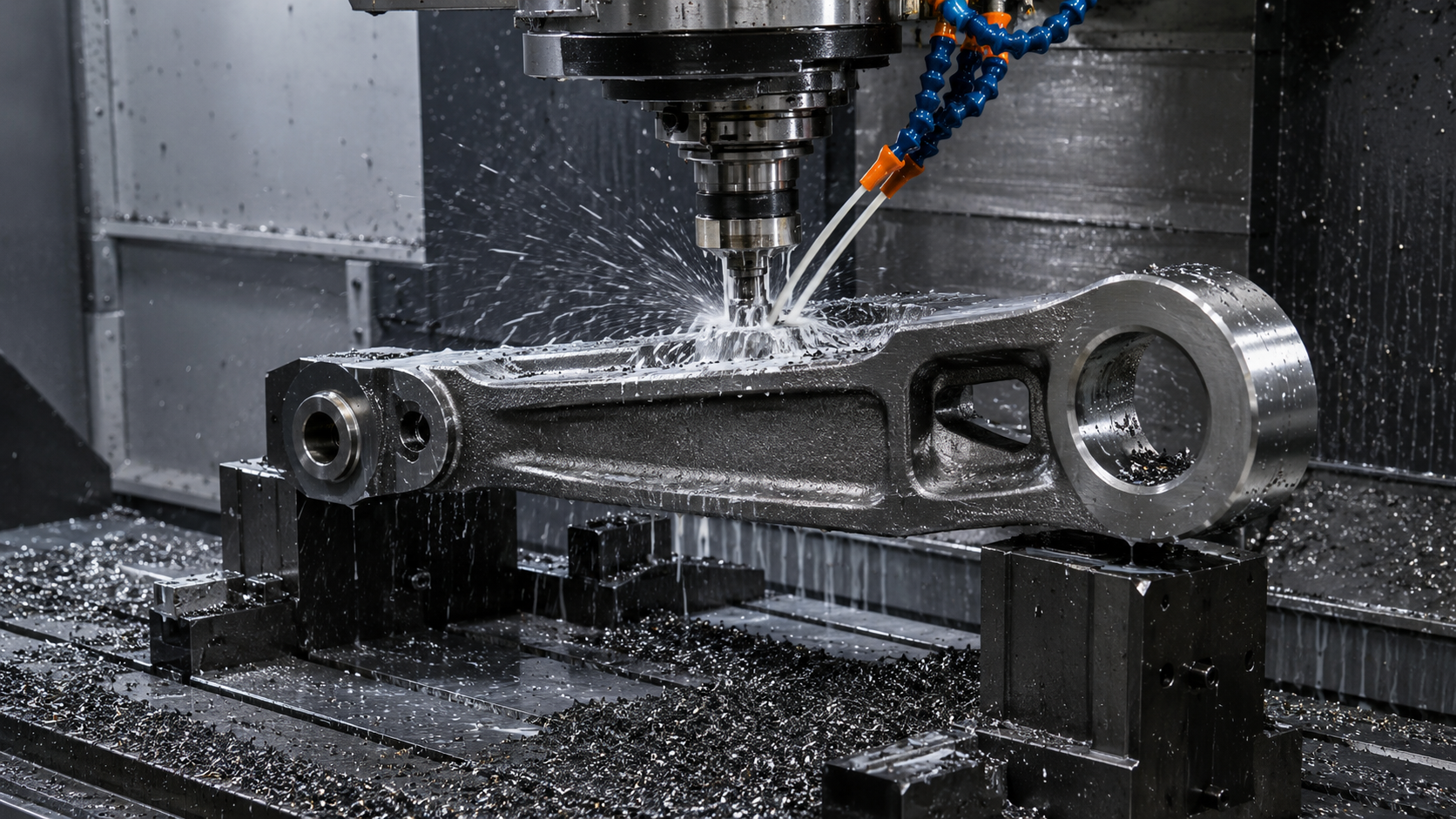
A trailer axle torque arm is a suspension or linkage component used to help control axle movement. It connects the axle assembly to the trailer frame, bracket, or suspension structure, depending on the design.
Its main function is to limit unwanted axle rotation and help maintain stable suspension geometry. When the trailer is loaded, braking, turning, or moving over uneven ground, the axle receives forces from different directions. A torque arm helps manage these forces through the correct mechanical path.
Depending on the market and suspension design, buyers may also search for similar terms, such as:
- trailer torque arm
- trailer axle torque rod
- trailer suspension torque arm
- axle control arm
- suspension link arm
- trailer axle stabilizer arm
- heavy duty torque arm
- OEM trailer suspension arm
The keyword trailer axle torque arm supplier has strong B2B search intent because it combines the product, application, and supplier requirement in one phrase. Most people searching this term are not casual readers. They are usually sourcing parts, comparing manufacturers, or preparing for an OEM project.
Who Needs a Trailer Axle Torque Arm Supplier?
A professional trailer axle torque arm supplier is mainly needed by B2B buyers who care about repeatable quality, stable fitment, and long-term supply.
Typical buyers include trailer OEM manufacturers, trailer axle assembly suppliers, suspension system manufacturers, heavy transport trailer builders, agricultural trailer manufacturers, aftermarket parts distributors, fleet maintenance companies, and importers of trailer suspension components.
This product is not normally required for very light-duty carts, decorative brackets, or simple structures where axle control is not critical. However, if a trailer works under heavy load, repeated vibration, braking stress, off-road conditions, or long-distance transport, the quality of the torque arm becomes important.
For trailer manufacturers and parts distributors, choosing the wrong torque arm can create several problems:
- unstable axle movement
- poor suspension alignment
- faster bushing wear
- bracket stress or cracking
- tire wear
- vibration and noise
- warranty claims
- customer complaints
- repeated replacement cost
That is why sourcing should focus on fit, material, process, and testing, not only unit price.
Why Trailer Axle Torque Arms Matter
A trailer axle works under dynamic force. Even when the trailer itself is not powered by an engine, the axle still experiences load changes from road conditions, cargo movement, braking, turning, and frame vibration.
A properly designed torque arm helps control these forces.
It can reduce unwanted rotational movement, protect bushings and brackets, keep the axle more stable, and reduce stress concentration in the suspension system. In heavy-duty applications, this stability can help improve service life and reduce maintenance frequency.
A weak or poorly fitted torque arm may not fail immediately. In many cases, the first signs appear as abnormal wear, loose bushings, noise, vibration, or uneven tire wear. By the time the part breaks, the suspension system may already have suffered additional damage.
For this reason, trailer OEMs and distributors should treat torque arms as safety-related suspension components, not as ordinary metal arms.
Key Specifications to Confirm Before Ordering
Before contacting a trailer axle torque arm supplier, buyers should prepare basic specifications. Clear information helps the supplier recommend the right structure, material, bushing, coating, and production process.
| Specification Item | What to Confirm | Why It Matters |
|---|---|---|
| Center-to-center length | Distance between two mounting points | Controls axle and frame alignment |
| Arm body type | Forged, fabricated, welded, tubular, or custom | Affects strength, weight, and cost |
| Mounting style | Pin, bolt, bushing, flange, bracket, or ball joint | Determines installation compatibility |
| Bushing size | Inner diameter, outer diameter, width, and material | Affects vibration control and fitment |
| Material grade | Carbon steel, 40Cr, 42CrMo, or equivalent alloy steel | Affects strength and fatigue resistance |
| Heat treatment | Quenching, tempering, induction hardening, or custom | Improves hardness, toughness, and service life |
| Surface treatment | Zinc plating, powder coating, e-coating, painting, or custom | Protects against corrosion |
| Load condition | Trailer type, axle load, road condition, duty cycle | Helps define performance requirements |
| Testing requirement | Dimensional inspection, hardness, load, fatigue, coating test | Confirms batch reliability |
| OEM requirement | Logo, label, packaging, drawing, batch traceability | Supports brand and export projects |
For replacement projects, buyers can provide samples, part numbers, photos, and installation dimensions. For OEM projects, technical drawings and application data are preferred.
If the buyer is unsure about the exact design, the supplier should be able to discuss load direction, mounting position, bushing interface, and working environment before sampling.
Material Selection: Carbon Steel, 40Cr, and 42CrMo
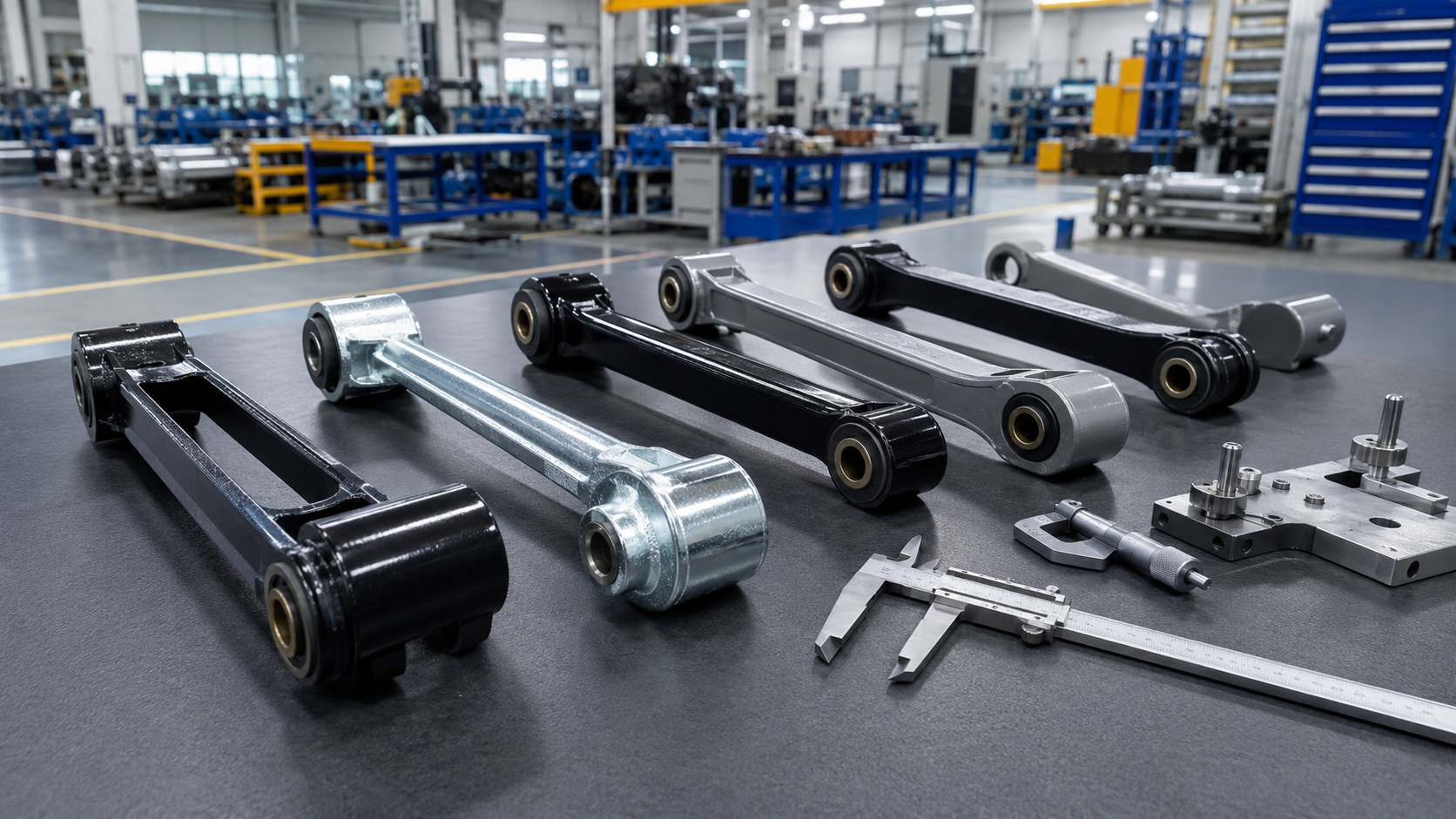
Material selection is one of the most important factors when choosing a torque arm.
For light or medium-duty trailer systems, carbon steel may be enough if the load is moderate and cost control is important. For heavy-duty trailers, agricultural trailers, dump trailers, and equipment transport trailers, alloy steel is often preferred.
Common material options include:
- carbon steel for standard trailer applications
- 40Cr for stronger mechanical performance
- 42CrMo for high-load and fatigue-critical applications
- custom alloy steel for OEM suspension systems
A professional trailer axle torque arm supplier should not recommend material only by price. The supplier should consider axle load, road condition, vibration level, installation position, and expected service life.
For heavy-duty applications, material strength must be combined with proper heat treatment. A high-grade steel can still perform poorly if heat treatment is not controlled. On the other hand, a properly processed alloy steel torque arm can provide better toughness, fatigue resistance, and long-term stability.
Forged Torque Arm vs Fabricated Torque Arm
Trailer torque arms can be manufactured by different processes. The two common types are forged torque arms and fabricated or welded torque arms.
| Type | Features | Advantages | Limitations | Best For |
|---|---|---|---|---|
| Forged torque arm | Formed from heated steel under pressure | High strength, dense structure, good fatigue resistance | Tooling may be required | Heavy-duty trailer axle systems |
| Fabricated torque arm | Welded from plates, tubes, or brackets | Flexible design, lower tooling cost | Weld quality affects durability | Medium-duty or low-volume projects |
| Adjustable torque arm | Length can be adjusted during installation | Easier alignment and service replacement | More components and higher assembly complexity | Aftermarket and maintenance use |
| Custom OEM torque arm | Designed according to buyer drawings | Best fit, stable branding, batch consistency | Requires technical confirmation | Trailer OEMs and suspension suppliers |
Forged torque arms are often preferred for high-load suspension systems because forging can improve structural density and reduce weak points. Fabricated torque arms can still be suitable for some medium-duty or small-batch projects, especially when the design requires flexible geometry.
The best choice depends on the trailer type, load requirement, budget, and production volume.
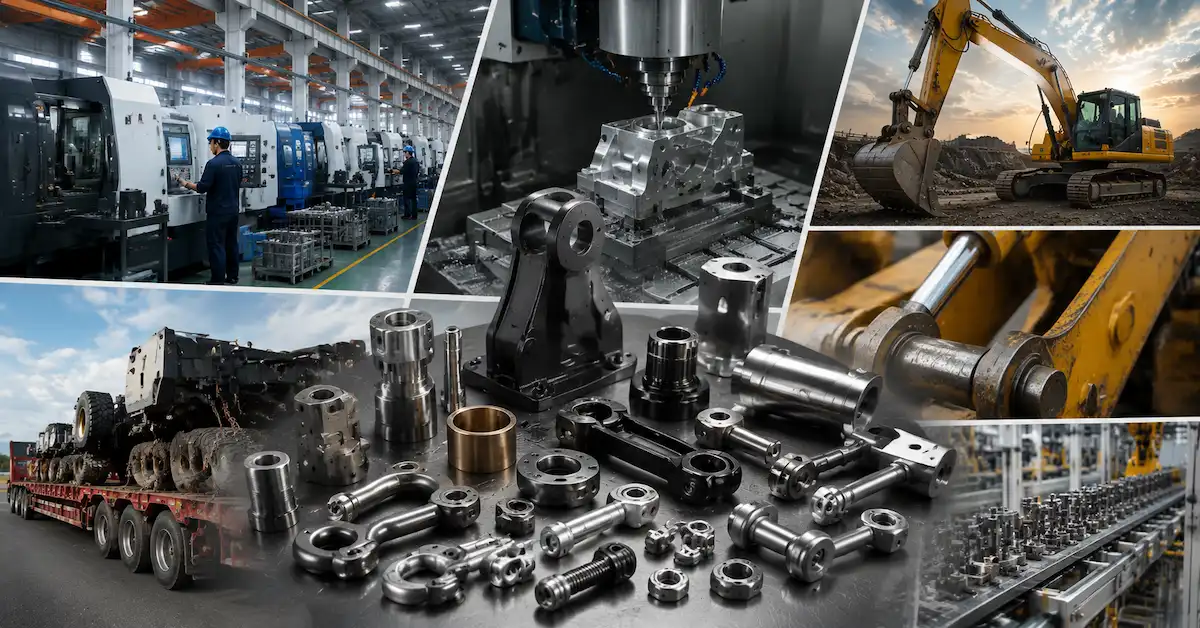
Manufacturing Process of Trailer Axle Torque Arms
A reliable trailer axle torque arm supplier should control the full production process from raw material to final packaging.
Typical production steps include:
- Material selection and incoming inspection
- Cutting or blank preparation
- Forging, forming, welding, or fabrication
- CNC machining of holes, bores, and mounting surfaces
- Heat treatment to improve mechanical performance
- Straightening or correction when required
- Surface cleaning, shot blasting, or finishing
- Zinc plating, powder coating, e-coating, or painting
- Bushing assembly or press fitting
- Dimensional inspection and function checking
- Anti-rust packaging for export shipment
This process matters because a torque arm is not judged only by appearance. Hole position, center distance, bushing fit, material hardness, coating thickness, and welding quality all affect the final performance.
For OEM buyers, batch consistency is especially important. If the first batch fits well but later batches vary in length, bore size, or bushing position, the customer may face assembly delays and warranty issues.
Bushing Design and Mounting Fit
Many torque arm problems do not begin with the arm body. They begin at the bushing, sleeve, pin, or bracket interface.
A bushing helps absorb vibration and allows controlled movement between the axle and frame. If the bushing is too soft, too hard, poorly bonded, or incorrectly sized, the torque arm may not perform correctly.
Buyers should confirm:
- bushing inner diameter
- bushing outer diameter
- bushing width
- sleeve material
- rubber or elastomer hardness
- pin or bolt size
- bracket width
- mounting angle
- lubrication requirement
- expected movement range
For replacement parts, a small bushing difference can make installation difficult. For OEM projects, bushing design should be matched with the suspension movement and load direction.
A good supplier should not only copy the shape. It should understand how the torque arm works inside the suspension system.
Surface Treatment and Corrosion Resistance
Trailer axle torque arms often work outdoors. They may be exposed to rain, road salt, mud, dust, chemicals, and seasonal temperature changes.
Surface treatment is therefore important.
Common options include:
- black painting for basic protection
- zinc plating for corrosion resistance
- powder coating for a durable finish
- e-coating for better coverage in complex shapes
- custom coating for coastal or high-corrosion environments
Agricultural trailers, marine transport trailers, and off-road equipment trailers usually need stronger corrosion protection than standard road trailers. If the torque arm is exported to markets with winter road salt, coating performance should be discussed early in the project.
A professional trailer axle torque arm supplier should help buyers choose the right coating based on environment, cost target, and expected service life.
Quality Control: What Should Be Tested?
Trailer axle torque arms work under repeated stress. Quality control should cover material, dimensions, heat treatment, surface condition, and assembly fit.
Important QC items include:
- material certificate review
- chemical composition check when required
- hardness testing after heat treatment
- dimensional inspection of center distance
- bore size and hole position inspection
- bushing fit inspection
- weld inspection for fabricated arms
- surface coating thickness check
- corrosion resistance testing when required
- load testing or fatigue testing for heavy-duty projects
- packaging inspection before shipment
- batch traceability for OEM orders
For B2B buyers, inspection records are important because they help control risk. A product may look acceptable in photos, but real quality depends on measurable dimensions and repeatable process control.
When comparing suppliers, buyers should ask whether the factory can provide inspection reports, material records, and sample approval before mass production.
Application Scenarios
Trailer axle torque arms are used in systems that require axle control, suspension stability, and reliable force transfer.
Common applications include:
- flatbed trailers
- low-bed trailers
- dump trailers
- agricultural trailers
- livestock trailers
- equipment transport trailers
- utility trailers
- heavy-duty transport trailers
- industrial trailers
- OEM axle and suspension assemblies
Different trailer types require different design priorities.
For agricultural trailers, corrosion resistance and vibration control are important because the working environment may include soil, mud, uneven ground, and seasonal outdoor storage.
For flatbed and equipment transport trailers, strength and fatigue life are more important because the trailer may carry heavy cargo over long distances.
For dump trailers, the torque arm must handle repeated load changes and shock from lifting, dumping, and uneven material distribution.
For OEM axle assemblies, dimensional accuracy and batch consistency are critical because the torque arm must fit the suspension design without modification.
Selection Guide by Trailer Type
| Trailer Type | Recommended Torque Arm Type | Material Suggestion | Surface Treatment | Main Requirement |
|---|---|---|---|---|
| Utility trailer | Standard torque arm | Carbon steel or 40Cr | Painted or zinc plated | Cost-effective stability |
| Agricultural trailer | Corrosion-resistant torque arm | 40Cr or alloy steel | Zinc, e-coating, or powder coating | Mud, vibration, and outdoor use |
| Flatbed trailer | Heavy-duty forged torque arm | 42CrMo or alloy steel | Zinc or powder coating | Load stability and fatigue resistance |
| Dump trailer | Reinforced torque arm | Alloy steel | Powder coating | Shock load and repeated lifting cycles |
| Low-bed equipment trailer | Custom forged torque arm | 42CrMo or custom alloy | Zinc plus topcoat | Heavy load and long-term durability |
| OEM axle assembly | Custom OEM torque arm | Buyer-specified steel | Custom coating | Drawing accuracy and batch consistency |
This table is a starting point. Final selection should follow trailer load rating, suspension layout, bracket geometry, road condition, and testing requirements.
Cost Factors Buyers Should Understand
The price of a trailer axle torque arm depends on more than size.
Key cost factors include:
- raw material grade
- forged or fabricated structure
- tooling requirement
- CNC machining complexity
- bushing material and assembly
- heat treatment process
- coating type
- corrosion test requirement
- dimensional tolerance level
- inspection documentation
- packaging method
- order quantity
- sampling and delivery schedule
A cheaper torque arm may become expensive if it causes axle misalignment, tire wear, warranty claims, or frequent replacement. For distributors, poor quality may also damage brand reputation.
A reliable supplier should explain cost differences clearly. The goal is not always to choose the most expensive design. The goal is to choose the design that matches the load, environment, and expected service life.
How to Choose the Right Trailer Axle Torque Arm Supplier
When evaluating suppliers, buyers should look at both technical capability and commercial reliability.
Use this checklist:
- Can the supplier work from drawings, samples, or application requirements?
- Does the supplier understand trailer axle movement and suspension load direction?
- Can it recommend forged, fabricated, adjustable, or custom structures?
- Does it offer material options such as carbon steel, 40Cr, or 42CrMo?
- Can it control heat treatment quality?
- Can it machine holes, bores, and mounting surfaces accurately?
- Can it inspect center distance, bore size, and bushing fit?
- Does it provide coating options for outdoor and export markets?
- Can it support OEM packaging and batch traceability?
- Does it have export experience?
- Is communication clear during quotation and sampling?
A professional trailer axle torque arm supplier should be able to support the full project, not only sell a single part.
For buyers comparing related components, Zhongteli’s article on forged torque arm supplier can help explain how forged arms are used in heavy-duty systems. Buyers can also review custom torque shaft OEM solutions when the project involves torque transfer components beyond suspension arms.
Why Work with Ningbo Zhongteli Rigging Co., Ltd.?
Ningbo Zhongteli Rigging Co., Ltd. is a professional manufacturer focused on rigging equipment, trailer jacks, torque shafts, forged hooks, and related industrial products for global customers.
For trailer axle torque arm buyers, Zhongteli’s value is its combination of manufacturing capability, custom service, and export support. The company can support buyers who need material selection, forged or machined structures, heat treatment, corrosion-resistant coating, OEM packaging, and quality inspection.
As a trailer axle torque arm supplier, Zhongteli can help trailer OEMs, axle suppliers, importers, and distributors develop reliable suspension components for different working environments.
Buyers can explore Zhongteli’s broader product range on the Products page, or contact the team through the Contact Us page for drawings, samples, and quotation support.
OEM and Customization Options
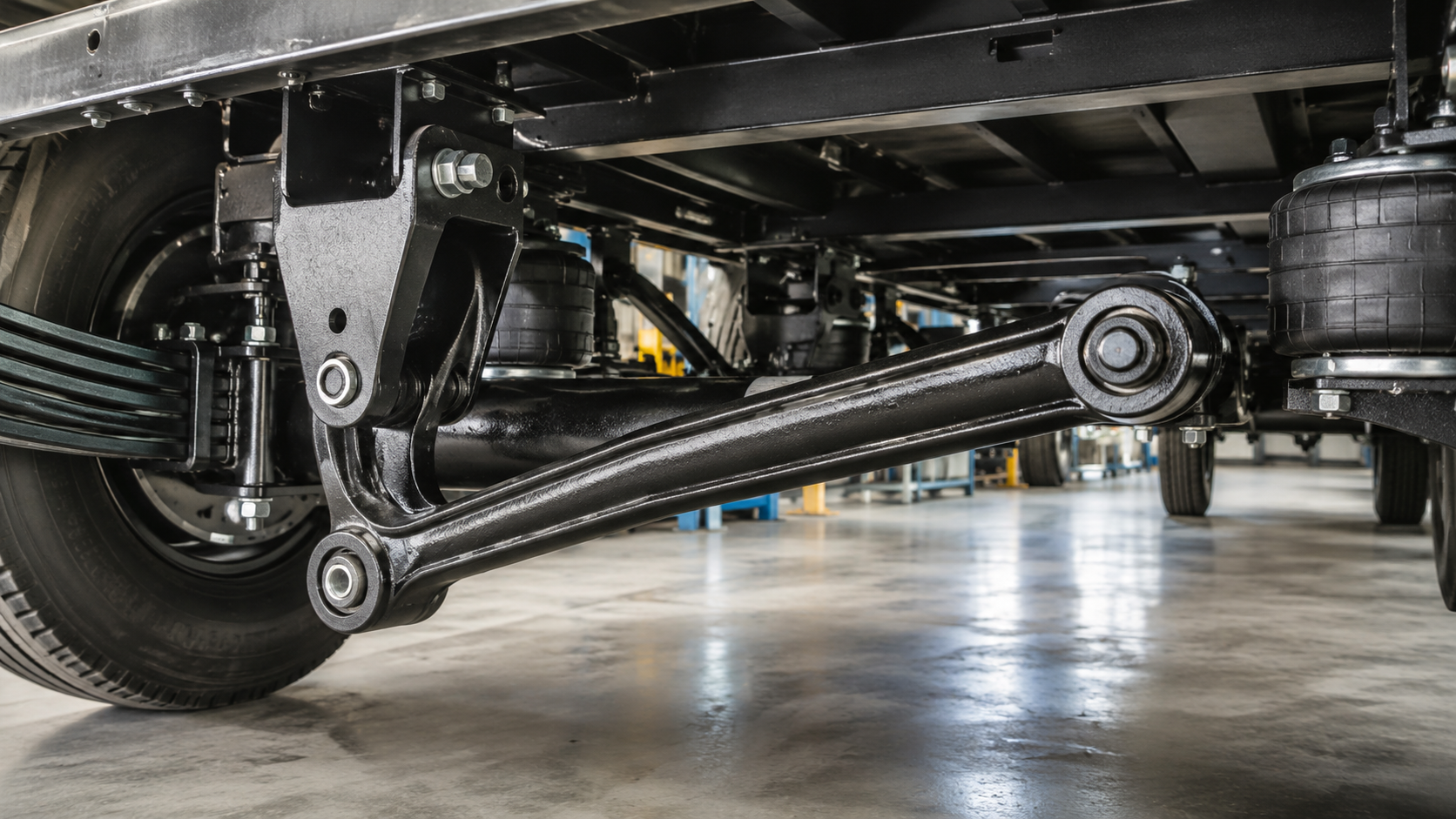
Trailer OEMs and aftermarket distributors often need customized torque arms rather than standard catalog parts.
Common customization options include:
- custom center-to-center length
- custom arm shape
- forged or fabricated structure
- custom bushing type
- custom bore diameter
- custom mounting bracket interface
- specific steel grade
- heat treatment requirement
- coating color and finish
- logo or part number marking
- private-label packaging
- export carton and pallet design
- batch traceability label
OEM customization is especially important when the torque arm must match a specific axle, suspension bracket, frame geometry, or market requirement.
A stable OEM supplier can reduce communication cost, sampling errors, assembly problems, and repeat-order risk.
FAQ
Q1. What does a trailer axle torque arm supplier do?
A trailer axle torque arm supplier manufactures or supplies torque arms used in trailer axle and suspension systems. A professional supplier should support material selection, forging or fabrication, machining, heat treatment, bushing assembly, coating, inspection, and OEM customization.
Q2. What is the main function of a trailer axle torque arm?
Its main function is to control axle movement, reduce unwanted rotation, maintain suspension alignment, and help distribute load between the trailer axle and frame.
Q3. Is a torque arm the same as a torque rod?
In many markets, the terms are closely related. Some buyers use “torque arm,” while others use “torque rod,” “suspension link,” or “axle control arm.” The correct name depends on the trailer design and regional terminology.
Q4. What material is best for heavy-duty trailer torque arms?
For heavy-duty applications, alloy steel such as 40Cr or 42CrMo is often preferred because it can provide better strength and fatigue resistance after proper heat treatment.
Q5. Are forged torque arms better than welded torque arms?
Forged torque arms are often better for high-load and fatigue-critical applications because the structure is dense and consistent. Welded or fabricated arms can still be suitable for medium-duty or low-volume custom projects.
Q6. What information should I provide for a quotation?
Provide drawings, samples, center-to-center length, bushing dimensions, mounting style, material requirement, trailer type, axle load, coating requirement, quantity, and packaging needs.
Q7. Can torque arms be customized for OEM trailer production?
Yes. A professional supplier can customize length, structure, bushing type, material, coating, marking, packaging, and batch traceability for trailer OEM production.
Q8. What surface treatment is recommended?
For outdoor trailer applications, zinc plating, powder coating, e-coating, or painted finishes may be used depending on corrosion exposure, cost target, and buyer requirements.
Q9. What quality tests are important?
Important tests include dimensional inspection, hardness testing, bushing fit inspection, weld inspection if applicable, coating thickness check, corrosion testing, load testing, and batch traceability.
Q10. How do I choose between standard and custom torque arms?
Choose standard torque arms for common trailer designs with known fitment. Choose custom OEM torque arms when the trailer has special axle geometry, load rating, mounting brackets, bushing dimensions, or brand packaging requirements.
Stable Axle Control Starts with the Right Supplier
Choosing the right trailer axle torque arm supplier helps trailer OEMs and parts distributors reduce fitment problems, improve axle stability, and protect suspension systems from premature wear.
The best supplier is not simply the one with the lowest price. It is the one that understands trailer axle movement, material strength, bushing fit, surface protection, testing, and OEM production requirements.
For trailer axle torque arms, forged torque arms, torque rods, and custom suspension components, Ningbo Zhongteli Rigging Co., Ltd. can support global buyers with engineering communication, manufacturing capability, quality inspection, and export-ready supply.