English


A torsion bar is one of the most important components in mechanical suspension systems. It works by resisting twisting force, allowing vehicles, trailers, and industrial equipment to absorb shocks while maintaining stability and load balance.
Choosing a reliable torsion bar manufacturer is critical for automotive OEMs, trailer manufacturers, agricultural equipment suppliers, and industrial machinery builders. A poor-quality torsion bar can lead to suspension imbalance, uneven load distribution, reduced comfort, premature fatigue, and even safety risks.
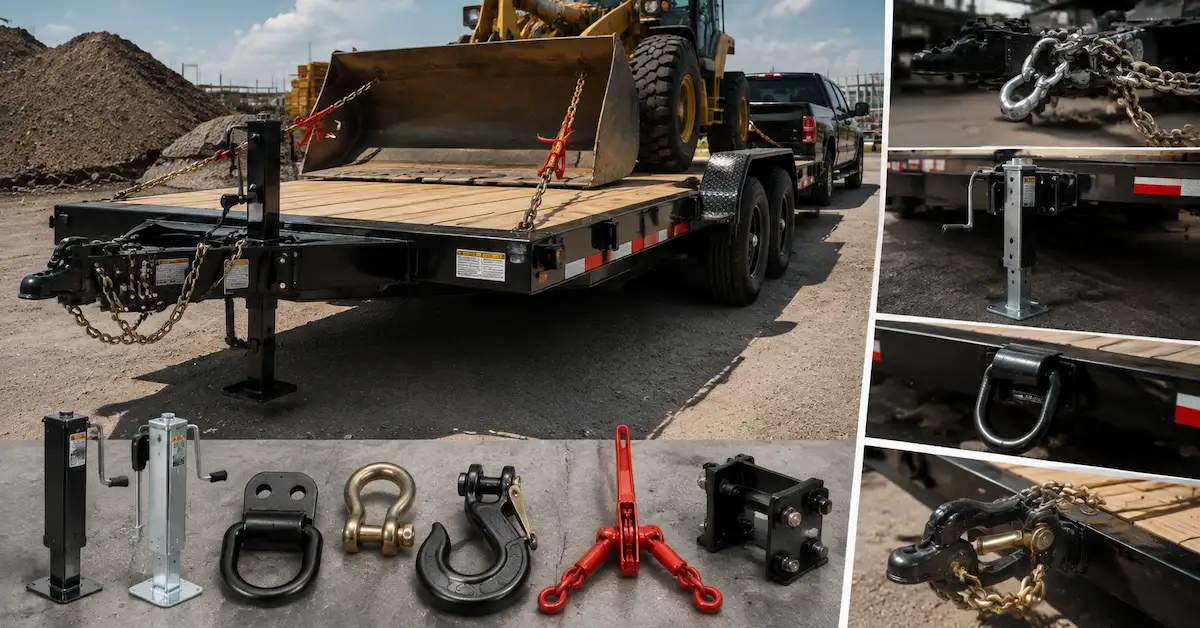
For buyers comparing related suspension and power transmission components, Zhongteli’s product solutions page provides an overview of its current rigging and trailer-related product categories, including load binders and trailer jacks.
What Is a Torsion Bar?
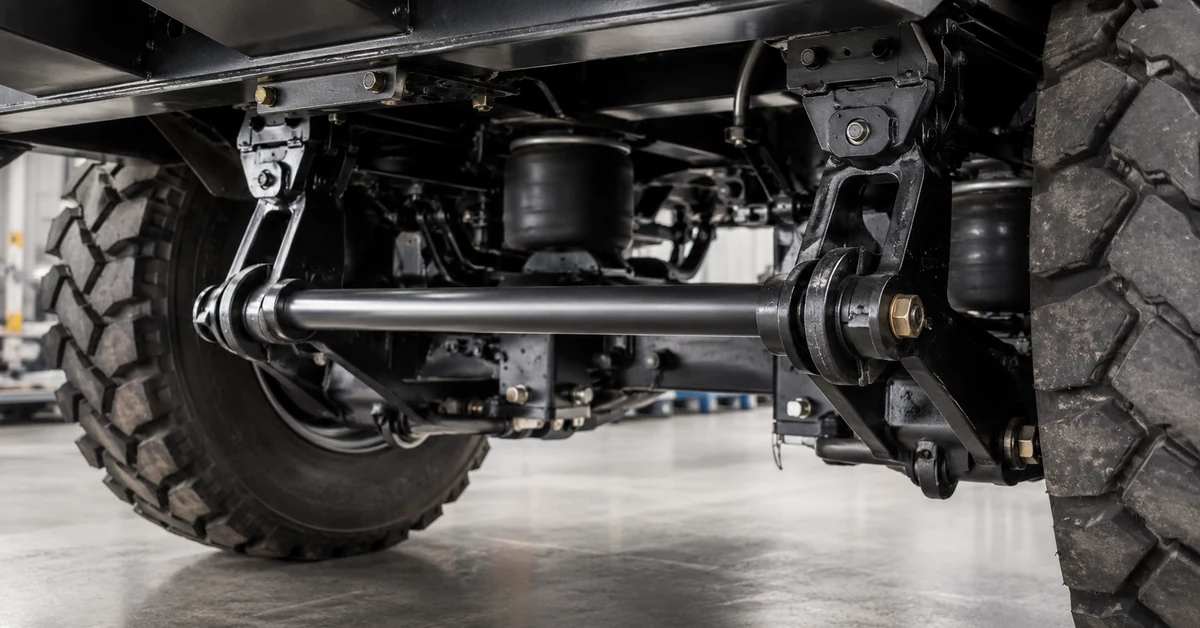
A torsion bar is a straight steel bar that works as a spring by resisting twisting motion. One end is fixed, while the other end rotates under load. When force is applied, the bar twists and stores energy, then returns to its original position.
It is widely used in:
- vehicle suspension systems
- heavy-duty trucks and trailers
- agricultural machinery
- military vehicles
- industrial suspension systems
- OEM chassis systems
Unlike coil springs or leaf springs, torsion bars are compact and durable, making them suitable for systems where space is limited or where adjustable suspension is required.
If your project also involves rotating shafts or power transmission parts, you can compare this topic with Zhongteli’s guide on drive torque shaft manufacturer solutions.
Why Torsion Bars Are Important in Suspension Systems
Torsion bars play a key role in controlling vehicle stability and comfort. Their main function is to absorb energy from road impact and return it smoothly to maintain balance.
If a torsion bar is too soft, the system may sag or lose stability. If it is too stiff, it may reduce shock absorption and affect ride comfort.
Common problems caused by low-quality torsion bars include:
- suspension imbalance
- uneven tire wear
- poor shock absorption
- premature fatigue failure
- cracking under repeated load cycles
- deformation under high torque
That is why selecting a qualified torsion bar manufacturer is essential for OEM performance and long-term reliability.
For buyers working on trailer suspension systems, Zhongteli’s article on choosing a trailer axle torque arm supplier can be used as a related internal reference because torque arms and torsion bars both support load control and suspension stability.
Who Needs a Torsion Bar Manufacturer?
Torsion bars are mainly used by industrial and automotive manufacturers rather than end users.
Typical buyers include:
- automotive OEM companies
- trailer manufacturers
- suspension system suppliers
- agricultural machinery manufacturers
- military vehicle suppliers
- heavy-duty transport equipment builders
- industrial machinery OEMs
- aftermarket suspension parts distributors
For these buyers, consistency, fatigue life, and material quality are more important than unit price.
A professional torsion bar manufacturer should support drawing review, material selection, heat treatment control, dimensional inspection, surface treatment, and OEM packaging.
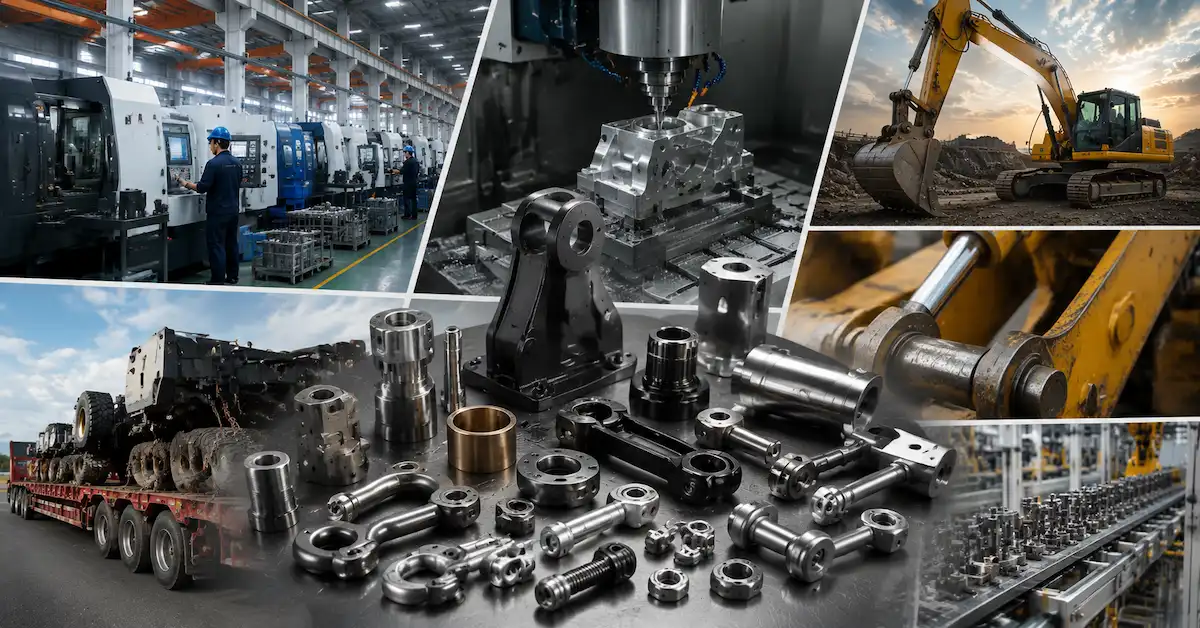
Zhongteli’s About Us page highlights its manufacturing experience, custom product solutions, global export service, ISO & CE certified quality, advanced forging, heat treatment, surface treatment, and strict material/process/finished-product inspection.
Key Factors That Affect Torsion Bar Performance
A torsion bar is not just a steel rod. Its performance depends on material science, heat treatment, machining accuracy, surface treatment, and fatigue control.
1. Material Selection
Most torsion bars are made from alloy steel or spring steel such as:
- 40Cr
- 42CrMo
- 50CrV4
- custom alloy steel grades
Material directly determines torsional strength, elasticity, and fatigue life.
For steel material reference, ASTM A29/A29M-23 covers general requirements for carbon and alloy steel bars.
2. Heat Treatment Process
Heat treatment improves hardness, strength, and fatigue resistance. Common processes include:
- quenching
- tempering
- induction hardening
A reliable torsion bar manufacturer must control heat treatment precisely to avoid brittleness, deformation, or inconsistent mechanical performance.
3. Surface Treatment
Surface quality affects fatigue life. Common treatments include:
- shot peening
- anti-rust coating
- phosphating
- electroplating
- powder coating
For outdoor trailer or agricultural equipment, corrosion resistance is especially important because the part may be exposed to water, mud, dust, road salt, and long-term vibration.
4. Machining Precision
CNC machining helps ensure:
- accurate diameter
- smooth surface finish
- precise length control
- stable end connection dimensions
- consistent batch performance
For dimensional control, ISO 286-1:2010 establishes a tolerance system for linear sizes such as cylindrical features and parallel opposite surfaces.
Manufacturing Process of Torsion Bars
A professional torsion bar production process usually includes:
- raw material selection
- cutting and blank preparation
- heating and forming when required
- CNC machining
- heat treatment
- straightening and calibration
- shot peening or surface strengthening
- anti-corrosion coating
- testing and inspection
- anti-rust packaging for export
Each step affects final performance. A torsion bar may look simple, but if the material, heat treatment, or surface condition is not controlled, fatigue life can be reduced.
For buyers who need similar high-strength mechanical components, Zhongteli’s article on forged torque arm supplier can support related reading about forging, load resistance, and heavy-duty suspension components.
Torsion Bar vs Coil Spring vs Leaf Spring
| Type | Structure | Advantages | Limitations |
|---|---|---|---|
| Torsion Bar | Straight steel bar | Compact, durable, adjustable | Requires precise engineering |
| Coil Spring | Helical spring | Comfortable ride | Takes more space |
| Leaf Spring | Layered steel plates | Strong load capacity | Heavier, less comfort |
Torsion bars are often preferred in OEM designs where space efficiency, suspension tuning, and long-term durability are important.
If the project involves rotational power transfer instead of suspension spring force, you can read Zhongteli’s guide on transmission shaft manufacturer selection.
Applications of Torsion Bars
Torsion bars are widely used in:
- passenger vehicles
- SUVs and pickup trucks
- off-road vehicles
- military vehicles
- trailers and transport systems
- agricultural machinery
- industrial suspension systems
- OEM chassis engineering
In high-load environments, torsion bars must resist continuous stress cycles without deformation.
For heavy-duty shaft and torque-transfer systems, Zhongteli’s industrial torque shaft factory guide is a useful related page for buyers comparing torque shafts, torsion bars, and other load-bearing mechanical components.
OEM Customization Options
A professional torsion bar manufacturer should offer customization such as:
- diameter adjustment
- length customization
- torque rating design
- material selection
- end connection design
- heat treatment control
- surface treatment options
- fatigue life optimization
- private-label packaging
- export cartons and pallets
OEM buyers often require precise matching with suspension geometry and vehicle design. If dimensions, end connections, or torque values are wrong, the torsion bar may not fit or may not provide the expected suspension response.
For custom mechanical component development, Zhongteli’s custom torque shaft OEM solutions article can be used as a related internal page for readers interested in drawing-based production, alloy steel selection, machining, and OEM supply.
Quality Control Requirements
High-quality torsion bar production should include:
- material composition testing
- hardness testing
- dimensional inspection
- surface defect inspection
- torsion load testing
- fatigue testing when required
- coating inspection
- packaging inspection
For rotating components or shaft-type projects where balance matters, ISO 21940-11:2016 provides procedures and tolerance guidance for balancing rigid rotors.
Although torsion bars are not always dynamically balanced like rotating drive shafts, the standard is useful when the buyer also sources torque shafts, transmission shafts, or rotating shaft assemblies.
How to Choose the Right Torsion Bar Manufacturer
When selecting a supplier, consider:
- Do they have OEM experience?
- Can they support custom engineering?
- Do they understand suspension load and torsional stress?
- Can they recommend suitable alloy steel?
- Do they control heat treatment?
- Do they provide hardness and dimensional inspection?
- Can they support batch consistency?
- Do they offer anti-corrosion surface treatment?
- Can they provide export packaging?
- Do they communicate clearly during sampling and mass production?
A good supplier is not just a producer. It should be a technical partner that understands how the torsion bar works inside the suspension system.
Buyers can learn more about Zhongteli’s company background, manufacturing capacity, quality control, and global service through the About Us page. The website states that Zhongteli has a 15,000㎡ factory area, 50+ production lines, 200+ skilled workers, and ISO 9001 certified quality.
Cost Factors
Torsion bar pricing depends on:
- material grade
- bar diameter and length
- end connection design
- machining complexity
- heat treatment process
- shot peening or surface strengthening
- coating type
- inspection requirements
- batch size
- packaging method
- custom engineering complexity
Higher fatigue performance usually increases cost but can significantly improve product lifespan.
For OEM buyers, the goal is not to choose the cheapest torsion bar. The goal is to choose a torsion bar that matches load, suspension geometry, fatigue life, and operating environment.
Why Work with Zhongteli?
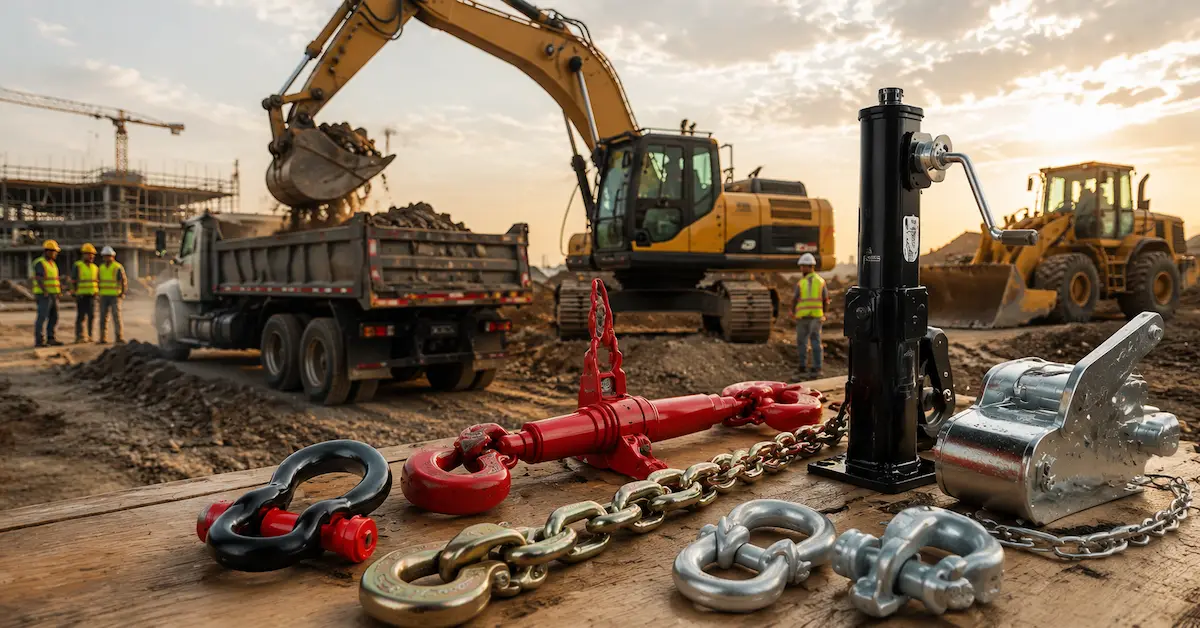
Ningbo Zhongteli Rigging Co., Ltd. is a professional manufacturer focused on rigging equipment, trailer jacks, torque shafts, forged hooks, and related industrial components. Its website highlights advanced forging, heat treatment, surface treatment, strict quality control, custom product solutions, and global export service.
For torsion bar and suspension-related projects, Zhongteli can support buyers who need technical communication, custom dimensions, material selection, heat treatment, surface treatment, OEM packaging, and export-ready supply.
To start a project, send drawings, samples, dimensions, material requirements, application environment, and expected order quantity through the Contact Us page. The contact page provides WhatsApp, phone, and email information for global inquiries.
Frequently Asked Questions
1. What does a torsion bar manufacturer do?
A torsion bar manufacturer produces steel bars designed to resist twisting force in suspension or mechanical systems. A professional supplier should support material selection, heat treatment, machining, surface treatment, inspection, and OEM customization.
2. What materials are commonly used for torsion bars?
Common materials include alloy steel and spring steel, such as 40Cr, 42CrMo, 50CrV4, or custom grades depending on load and fatigue requirements.
3. Why is heat treatment important for torsion bars?
Heat treatment improves strength, hardness, and fatigue resistance. Poor heat treatment may cause brittleness, deformation, or premature failure.
4. Can torsion bars be customized for OEM suspension systems?
Yes. OEM customization can include length, diameter, torque rating, end connection, material, heat treatment, surface treatment, packaging, and batch traceability.
5. What industries use torsion bars?
Torsion bars are commonly used in automotive suspension, off-road vehicles, trailers, agricultural machinery, military vehicles, and industrial suspension systems.
6. How do I request a quotation?
Prepare drawings, samples, dimensions, material requirements, torque or load information, application environment, surface treatment requirements, quantity, and packaging needs. Then contact Zhongteli through the Contact Us page.
Conclusion
Torsion bars are critical components in suspension and load-control systems. Their performance depends heavily on material selection, heat treatment, machining precision, surface treatment, and manufacturing expertise.
Choosing the right torsion bar manufacturer helps ensure suspension stability, fatigue resistance, and long-term reliability across automotive, trailer, agricultural, and industrial applications.
For OEM torsion bars, torque shafts, torque arms, and custom suspension-related components, Ningbo Zhongteli Rigging Co., Ltd. can support global buyers with technical communication, manufacturing capability, quality inspection, and export-ready supply.