English


Why Choosing the Right Mechanical Components Exporter Matters
Mechanical components are essential parts used in industrial machinery, transportation systems, construction equipment, automation equipment, and various engineering applications.
For global buyers, selecting the right mechanical components exporter is not only about finding a supplier who can manufacture parts. A reliable export partner should provide:
- stable manufacturing capability
- consistent product quality
- OEM customization
- technical communication
- export experience
- reliable delivery
Industrial buyers often depend on mechanical components for critical assemblies. Poor-quality parts can lead to:
- equipment downtime
- assembly problems
- higher maintenance costs
- delayed projects
- customer complaints
A professional exporter should understand both manufacturing requirements and international supply chain needs.
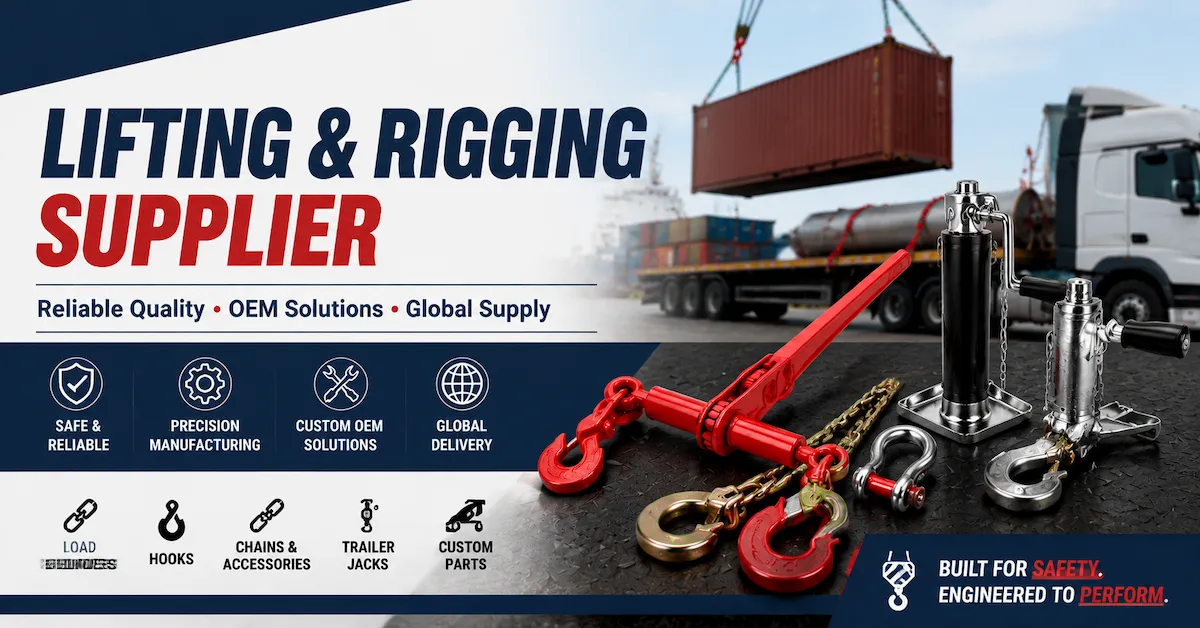
Ningbo Zhongteli Rigging Co., Ltd. provides industrial components, rigging products, trailer parts, forged hardware, and customized solutions for global customers. The company supports OEM projects through manufacturing experience and quality management.
What Are Mechanical Components?
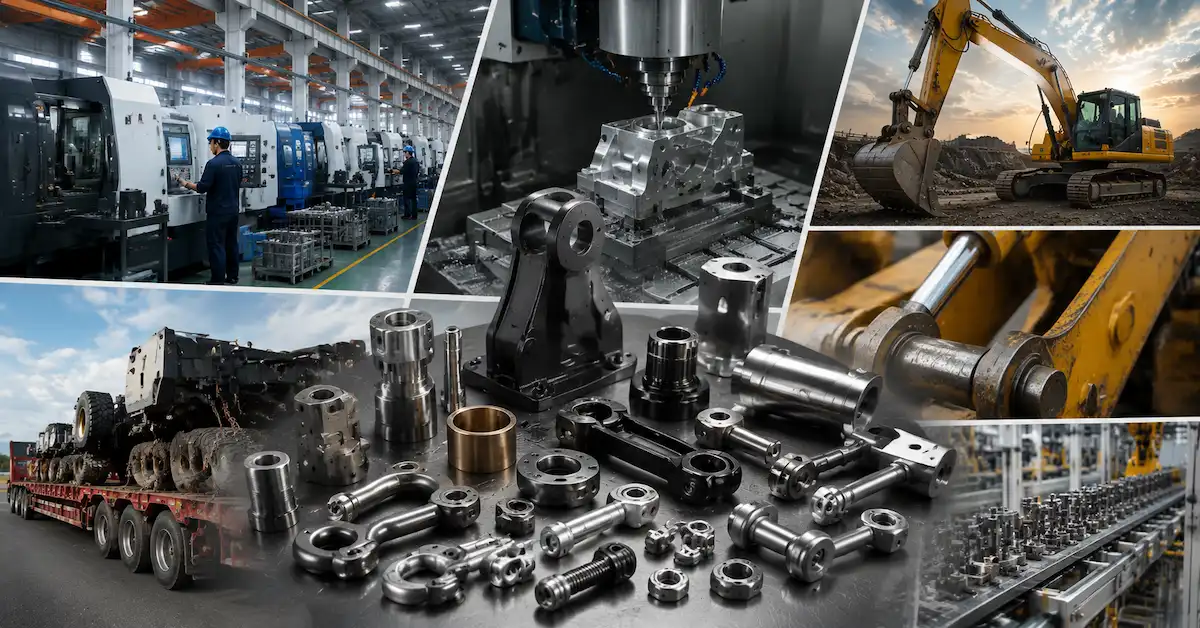
Mechanical components are manufactured parts used to build, connect, support, control, or transmit mechanical systems.
They are commonly used in:
- industrial machinery
- transportation equipment
- construction systems
- agricultural equipment
- lifting and securing applications
- customized engineering projects
Common mechanical components include:
- forged metal parts
- hooks and connectors
- load-bearing hardware
- trailer components
- torque-related components
- customized metal assemblies
The requirements for mechanical components vary depending on application.
Important factors include:
- strength
- precision
- durability
- compatibility
- corrosion resistance
- service life
Who Needs a Mechanical Components Exporter?
A professional mechanical components exporter serves global B2B customers.
Industrial Equipment Manufacturers
They require:
- customized components
- stable production
- engineering support
Machinery OEM Companies
They need:
- precision parts
- repeatable quality
- long-term supply
Hardware Distributors
They focus on:
- competitive pricing
- reliable delivery
- product consistency
Engineering Companies
They require:
- special designs
- technical cooperation
- customized solutions
Importers and Wholesalers
They need:
- export experience
- documentation support
- stable shipment management
Common Mechanical Component Categories
| Component Category | Application | Buyer Requirement |
|---|---|---|
| Forged Components | Heavy-duty mechanical systems | Strength and durability |
| Rigging Hardware | Lifting and securing | Safety and reliability |
| Trailer Components | Transportation equipment | Fit and corrosion resistance |
| Torque Components | Power transmission systems | Precision and performance |
| Custom Metal Parts | Special OEM applications | Engineering capability |
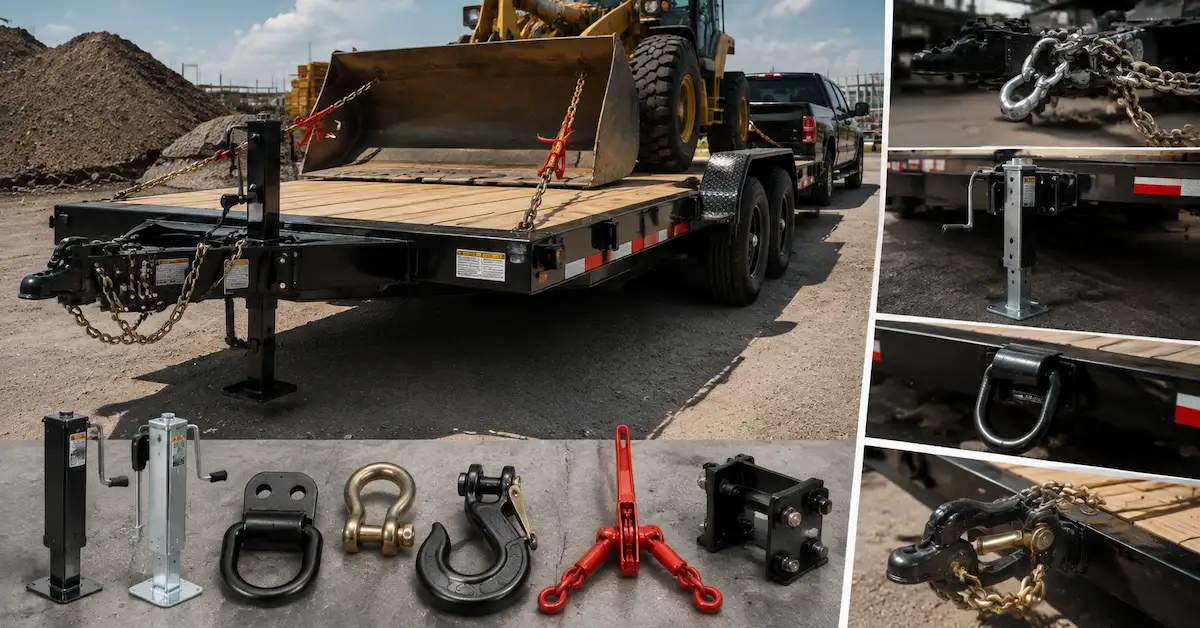
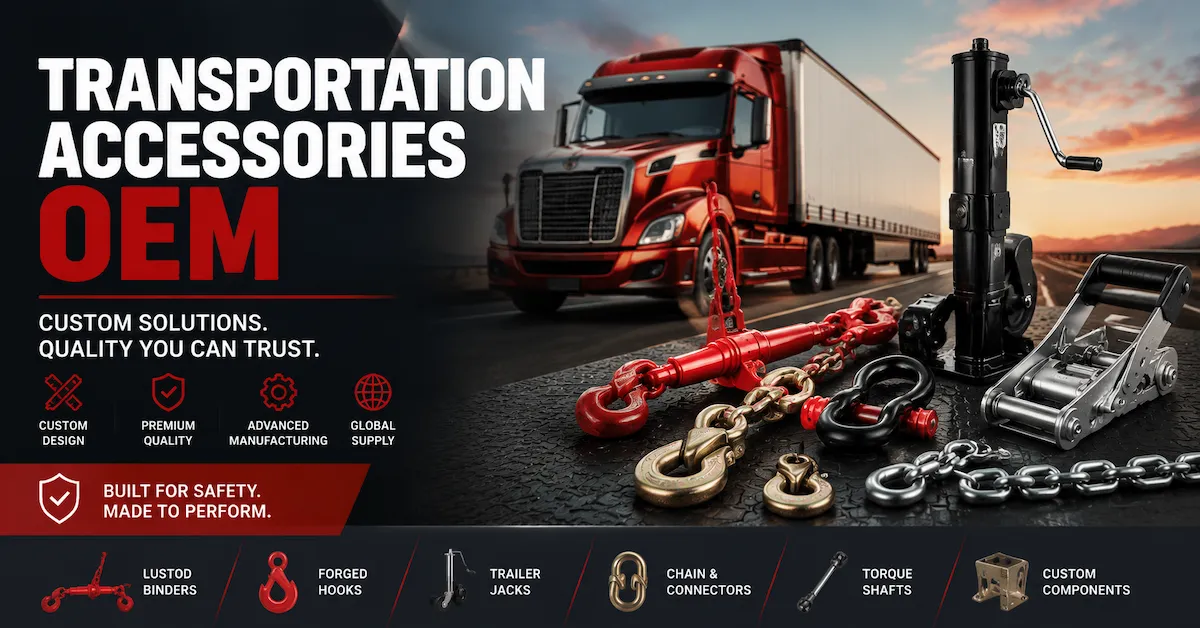
Zhongteli provides products including load binders, trailer jacks, forged hooks, torque shafts, and customized industrial hardware solutions.
Benefits of Working with an OEM Mechanical Components Supplier
Working directly with an OEM supplier provides several advantages.
Customized Product Development
OEM manufacturing allows buyers to customize:
- dimensions
- materials
- product structure
- surface treatment
- packaging
- product identification
This is important for companies that require components matching specific equipment designs.
Better Quality Control
Direct cooperation with manufacturers provides better control over:
- raw materials
- production processes
- inspection standards
- final product consistency
Long-Term Supply Stability
A reliable supplier can support:
- repeat orders
- production planning
- product improvements
- market expansion
Manufacturing Process for Mechanical Components
A professional mechanical components exporter should have complete manufacturing capability.
Material Selection
Material selection directly affects component performance.
Common materials include:
- carbon steel
- alloy steel
- forged steel
- stainless steel
Selection depends on:
- working load
- application environment
- fatigue requirements
- corrosion conditions
Forging Process
Forging is widely used for components requiring high strength.
Advantages include:
- improved structural strength
- better fatigue resistance
- increased durability
Forged components are commonly used in:
- hooks
- connectors
- load-bearing parts
- industrial hardware
Machining Process
Machining ensures:
- accurate dimensions
- proper assembly
- consistent production quality
Common processes include:
- CNC machining
- drilling
- grinding
- finishing
Heat Treatment
Heat treatment improves:
- hardness
- toughness
- wear resistance
- service life
Surface Treatment
Mechanical components may require corrosion protection.
Common treatments include:
- zinc coating
- powder coating
- painting
- anti-rust treatment
How to Choose a Reliable Mechanical Components Exporter
When selecting a supplier, buyers should evaluate several areas.
Manufacturing Capability
A qualified exporter should have experience in:
- forging
- machining
- assembly
- inspection
- OEM production
Complete manufacturing capability helps ensure consistent quality.
Quality Control System
Important quality checks include:
- material inspection
- dimensional inspection
- hardness testing
- strength testing
- appearance inspection
- final inspection
For industrial components, quality control is directly related to equipment reliability.
OEM Customization Ability
A strong exporter should support:
- technical drawings
- prototype production
- customized specifications
- private labeling
- packaging solutions
OEM capability allows buyers to develop products that match their market requirements.
Export Experience
International buyers should consider:
- export documentation
- packaging standards
- shipment management
- communication efficiency
A professional mechanical components exporter should understand international purchasing requirements.
Mechanical Components Exporter vs Trading Supplier
| Supplier Type | Advantages | Limitations |
|---|---|---|
| OEM Manufacturer | Production control and customization | Requires technical communication |
| Trading Supplier | Flexible sourcing | Limited manufacturing control |
| General Hardware Supplier | Wide product range | Limited engineering support |
| Specialized Factory | Strong technical knowledge | Focused product categories |
For industrial applications, direct cooperation with manufacturers usually provides better quality control.
OEM Custom Mechanical Components Solutions
Many industrial buyers require customized parts.
A professional supplier should support:
- custom dimensions
- special materials
- product modifications
- logo marking
- packaging customization
- prototype development
- bulk production
OEM services help companies:
- reduce development time
- improve product consistency
- create differentiated products
Why Work with Ningbo Zhongteli Rigging Co., Ltd.?
Ningbo Zhongteli Rigging Co., Ltd. is a professional manufacturer providing industrial hardware and customized mechanical solutions for global customers.
The company specializes in:
- load binders
- trailer jacks
- forged hooks
- torque shafts
- rigging hardware
- custom metal components
Zhongteli highlights:
- 15+ years manufacturing experience
- custom product solutions
- global export service
- ISO 9001 quality management
- 15,000㎡ factory area
- 50+ production lines
- 200+ skilled workers
As a mechanical components exporter, Zhongteli supports customers with:
- product development
- OEM manufacturing
- quality inspection
- export packaging
- global delivery
Buyers can explore more solutions through the Zhongteli Products page.
Frequently Asked Questions
1. What does a mechanical components exporter provide?
A mechanical components exporter provides industrial parts used in machinery, transportation equipment, engineering systems, and OEM applications.
2. What industries use mechanical components?
Applications include manufacturing, construction, transportation, agriculture, logistics, and industrial equipment.
3. Can mechanical components be customized?
Yes. OEM suppliers can customize dimensions, materials, designs, finishes, packaging, and product specifications.
4. Why choose an OEM exporter?
OEM exporters provide better customization, production control, quality consistency, and long-term cooperation.
5. What materials are commonly used?
Common materials include carbon steel, alloy steel, forged steel, and stainless steel.
6. Why is forging important for mechanical components?
Forging improves strength, durability, and fatigue resistance for heavy-load applications.
7. How do I evaluate exporter quality?
Check manufacturing capability, quality systems, OEM experience, export history, and production capacity.
8. What information is needed for quotation?
Provide drawings, specifications, materials, quantity, application, and customization requirements.
9. How can customized components improve equipment performance?
Customized components provide better compatibility, reliability, and system performance.
10. How can I start cooperation with an exporter?
Prepare product requirements and contact the manufacturer for technical evaluation, samples, and quotation.
Conclusion
Choosing the right mechanical components exporter helps businesses improve product reliability, reduce sourcing risks, and establish stable international supply chains.
For global buyers, the ideal exporter should provide more than products. It should provide manufacturing expertise, customization capability, quality control, and reliable delivery.
With professional production experience and OEM capabilities, Ningbo Zhongteli Rigging Co., Ltd. supports customers worldwide with customized mechanical components and industrial solutions.