English


Forged Torque Arms Designed for Controlled Force Transfer in Industrial Systems
In mechanical systems, controlling movement is just as important as generating force.
Without proper control, torque can lead to misalignment, structural stress, and premature failure.
This is where torque arms play a critical role.
They are designed to limit rotational movement and stabilize force transfer, ensuring that systems operate safely and efficiently.
For buyers sourcing from a forged torque arm supplier, the key is not just strength —
👉 but how well the component controls and distributes force under load.
Why Torque Control Matters in Real Applications
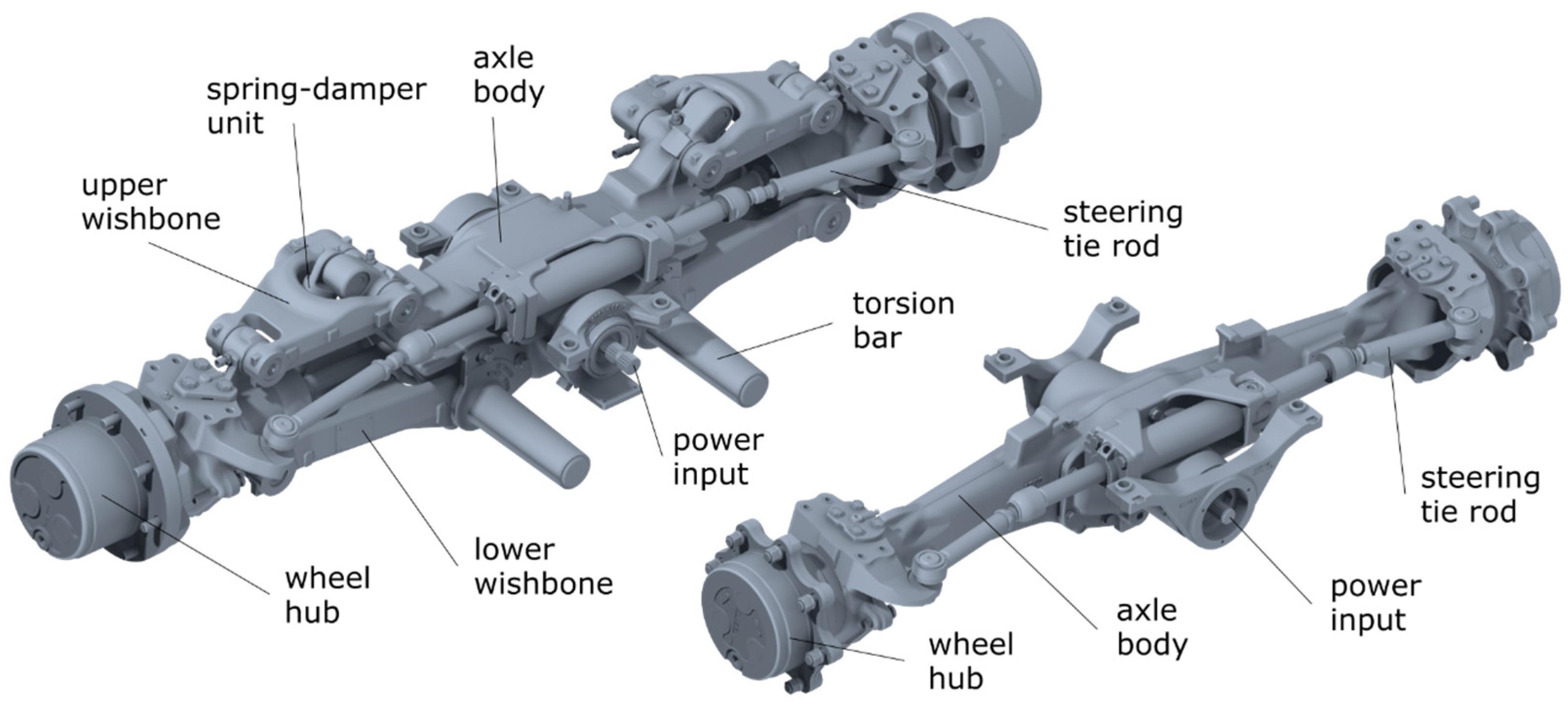
In systems such as trailers, axles, and industrial machinery, torque is constantly applied and redistributed.
Without a proper torque arm, systems may experience:
- Excessive rotational movement
- Structural stress on joints
- Component misalignment
- Accelerated wear
According to Society of Automotive Engineers, controlling torque distribution is essential for maintaining system stability and extending component life.
How Forged Torque Arms Are Engineered
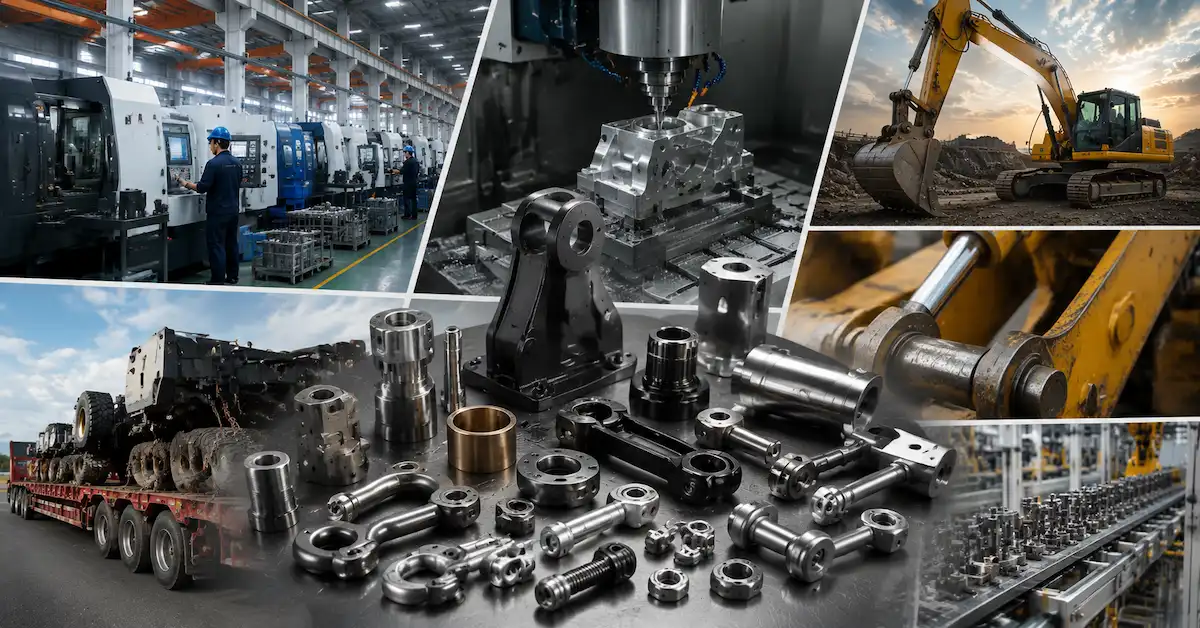
Forged torque arms are designed to withstand both mechanical stress and dynamic movement.
Key manufacturing features include:
- Drop forging for high structural strength
- Alloy steel materials (e.g., 42CrMo)
- Heat treatment for durability
- Precision machining for accurate fit
- Surface coating for corrosion resistance
Forging ensures that the internal grain structure aligns with stress paths, improving both strength and fatigue resistance.
Standards from International Organization for Standardization guide material performance and manufacturing consistency.
Forged Torque Arm vs Fabricated Arm
| Feature | Forged Torque Arm | Fabricated Arm |
|---|---|---|
| Structure | Dense, uniform | Weld-dependent |
| Strength | High | Moderate |
| Fatigue Resistance | Excellent | Variable |
| Durability | Long-term | Shorter lifespan |
| Application | Heavy-duty systems | Light applications |
Forged arms are preferred where load consistency and long-term durability are critical.
What Defines a Reliable Supplier
A professional forged torque arm supplier must ensure both material strength and dimensional precision.
Key capabilities include:
- Controlled forging process
- CNC machining for accuracy
- Heat treatment systems
- Load and stress testing
- OEM customization for trailer and machinery systems
Research from SAE International indicates that forged components significantly improve fatigue resistance in load-bearing systems.
Application Scenarios
Forged torque arms are widely used in systems requiring controlled force transfer:
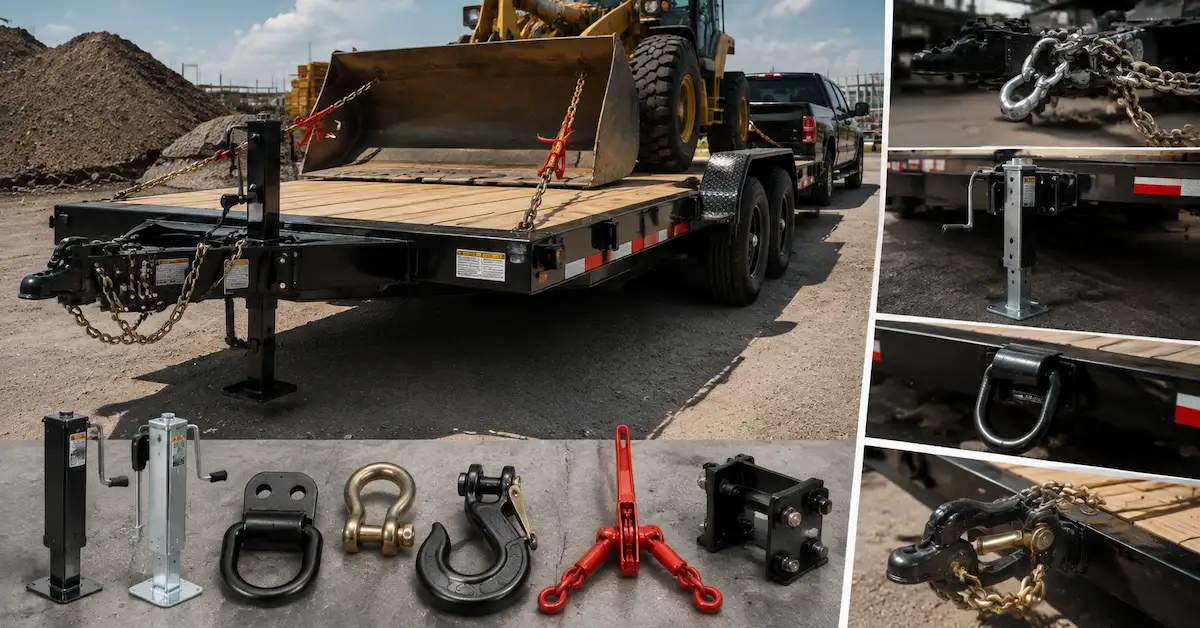
- Trailer Suspension Systems — stabilizing axle movement
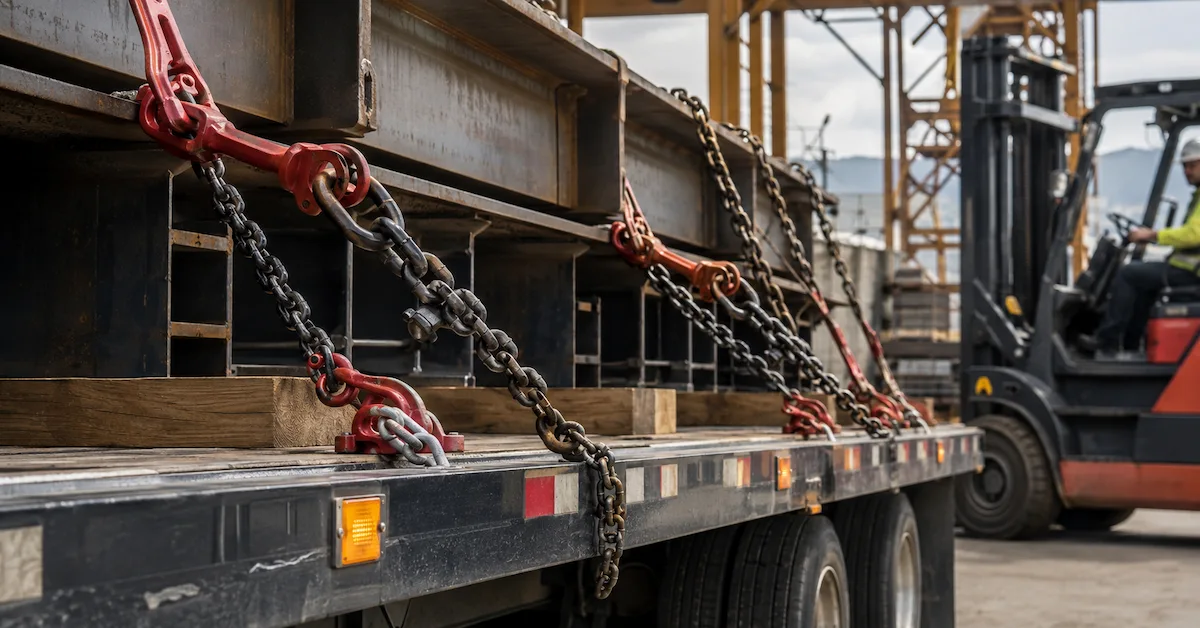
- Heavy Transport Equipment — controlling rotational stress
- Agricultural Machinery — maintaining alignment under load
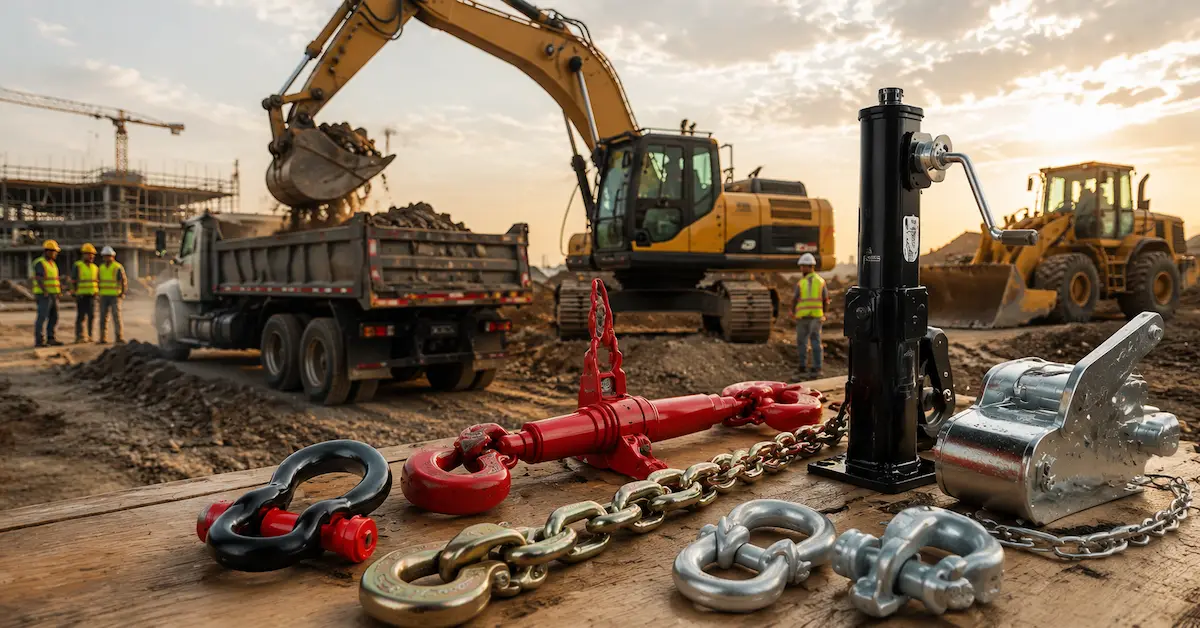
- Industrial Equipment — limiting movement in rotating systems
- OEM Systems — integrated mechanical assemblies
These applications require components that can handle both force and movement simultaneously.
Selection Guide
| Application | Torque Arm Type | Material | Coating | Use |
|---|---|---|---|---|
| Trailer Axle | Suspension Arm | 42CrMo | Zinc | Stability |
| Transport | Heavy Duty Arm | Alloy Steel | Powder | Load control |
| Agriculture | Compact Arm | Carbon Steel | Painted | Alignment |
| OEM | Custom Arm | Custom Alloy | Custom | Integrated system |
Choosing the right torque arm depends on load direction, mounting design, and system requirements.
FAQ
Q1: What is the main function of a torque arm?
To control rotational force and stabilize mechanical systems.
Q2: Why choose forged torque arms?
They provide higher strength and better fatigue resistance.
Q3: Are torque arms customizable?
Yes, OEM designs are widely supported.
Q4: Where are torque arms commonly used?
In trailers, suspension systems, and industrial machinery.
Stability Comes from Control
In any mechanical system, uncontrolled movement leads to failure.
Torque arms provide the control needed to ensure stability, alignment, and long-term durability.
Choosing a reliable forged torque arm supplier ensures that every system performs safely under real-world conditions — not just in design specifications.
🔗 Explore More
For specifications, OEM solutions, or product options:
👉 https://www.ztlrigging.com/
For quotations or technical consultation:
👉 https://www.ztlrigging.com/contact-us