English


Discovering the Forged Hook with Safety Latch OEM: A Game-Changer in Industrial Lifting
In the world of heavy-duty operations, the forged hook with safety latch OEM stands out as an indispensable tool for ensuring both efficiency and security. Crafted with precision engineering, this hook is tailored for original equipment manufacturers seeking reliable components that meet stringent industry standards. Whether you're outfitting warehouses, construction sites, or manufacturing facilities, integrating a forged hook with safety latch OEM into your lifting systems can significantly enhance safety protocols while streamlining workflows. This robust device, built from high-grade steel, is designed to handle the toughest loads, making it a go-to choice for professionals who prioritize durability and performance.
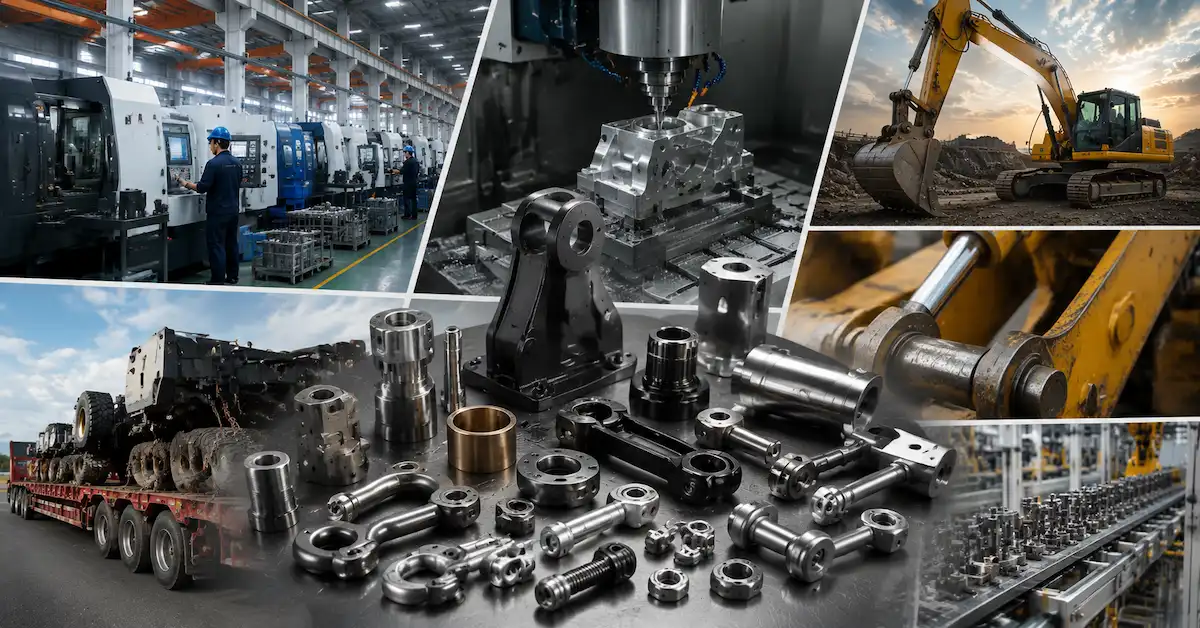
The appeal of the forged hook with safety latch OEM lies in its superior construction, which begins with the forging process that imparts exceptional strength and resilience. Unlike standard hooks, this OEM version undergoes rigorous quality checks to ensure it can withstand extreme conditions without compromising integrity. The safety latch, a critical feature, automatically engages to prevent accidental detachment of loads, providing peace of mind during high-stakes lifts. For businesses looking to customize their equipment lines, sourcing a forged hook with safety latch OEM allows for seamless integration into existing machinery, reducing the need for aftermarket modifications and ensuring compliance with safety regulations like those from OSHA.
Key Features That Set the Forged Hook with Safety Latch OEM Apart
One of the standout attributes of the forged hook with safety latch OEM is its corrosion-resistant metallic finish, which not only enhances aesthetics but also extends the product's lifespan in harsh environments. The hook's design incorporates a sleek profile that minimizes weight while maximizing load-bearing capacity—up to 10,000 pounds in many configurations. The distinctive orange lever on the safety latch serves as a visual cue for quick identification and operation, allowing operators to attach and release loads swiftly without sacrificing security. This feature is particularly beneficial in fast-paced settings where downtime can lead to significant productivity losses.
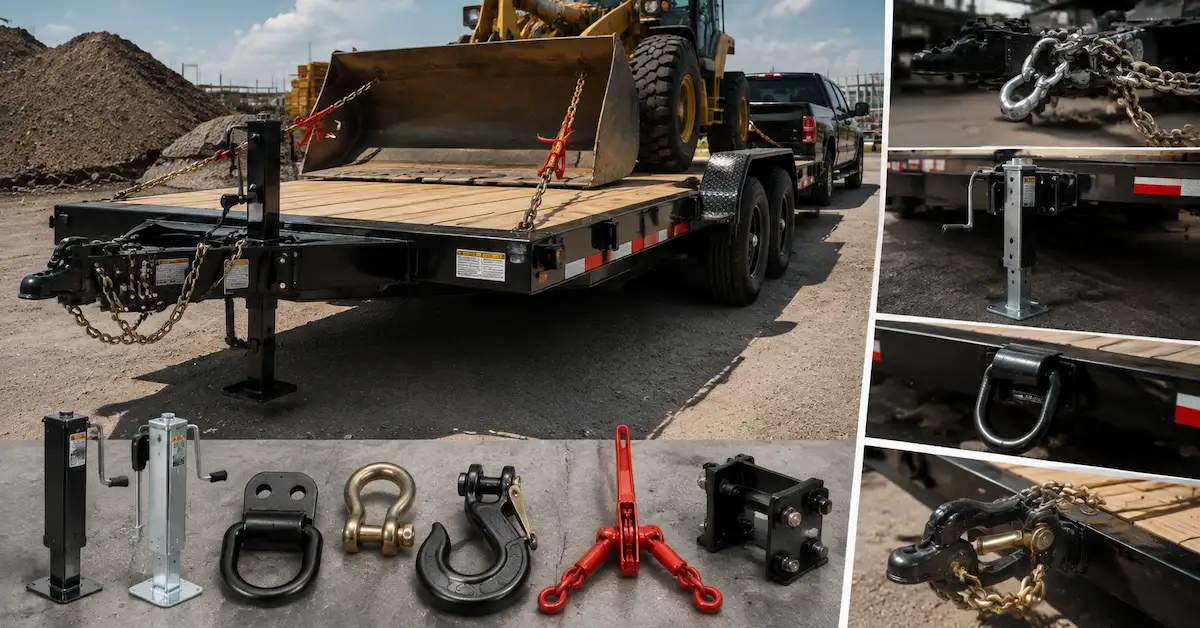
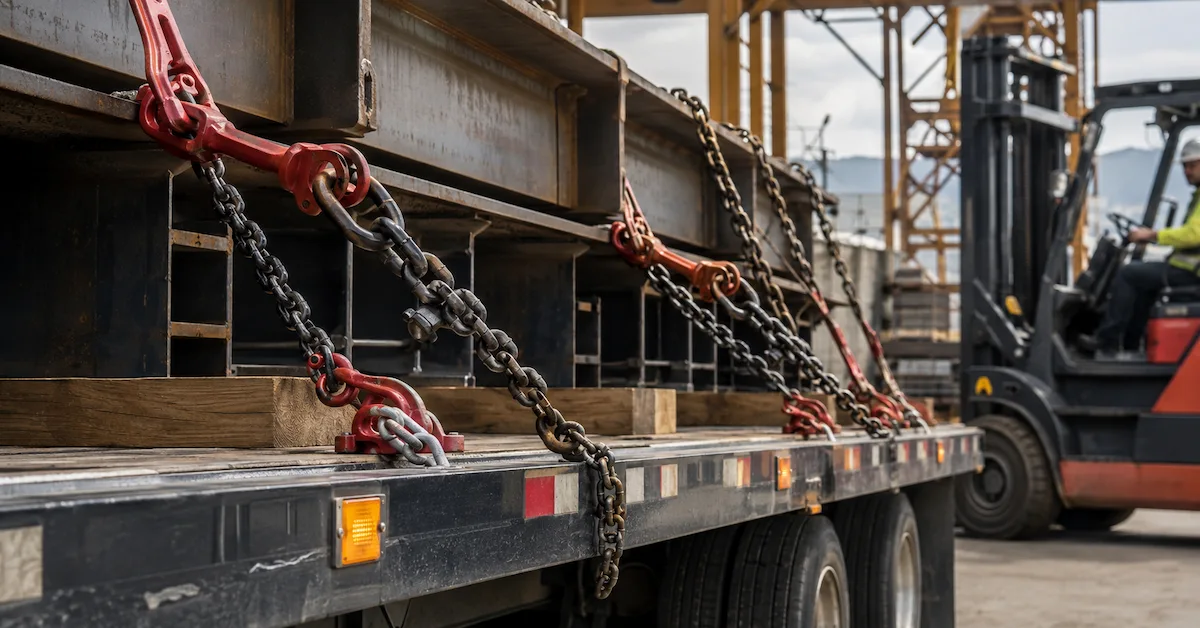
Furthermore, the forged hook with safety latch OEM is often suspended from a heavy-duty chain, promoting optimal balance and stability during lifts. This setup is ideal for transporting pallets, machinery components, or bulk materials, ensuring that each operation is conducted with precision. The OEM designation means these hooks are produced to exact specifications, allowing manufacturers to brand and distribute them under their own labels. This customization option empowers companies to build trust with their clients by offering high-quality, reliable lifting solutions that align with their operational needs.
Applications and Benefits in Modern Industries
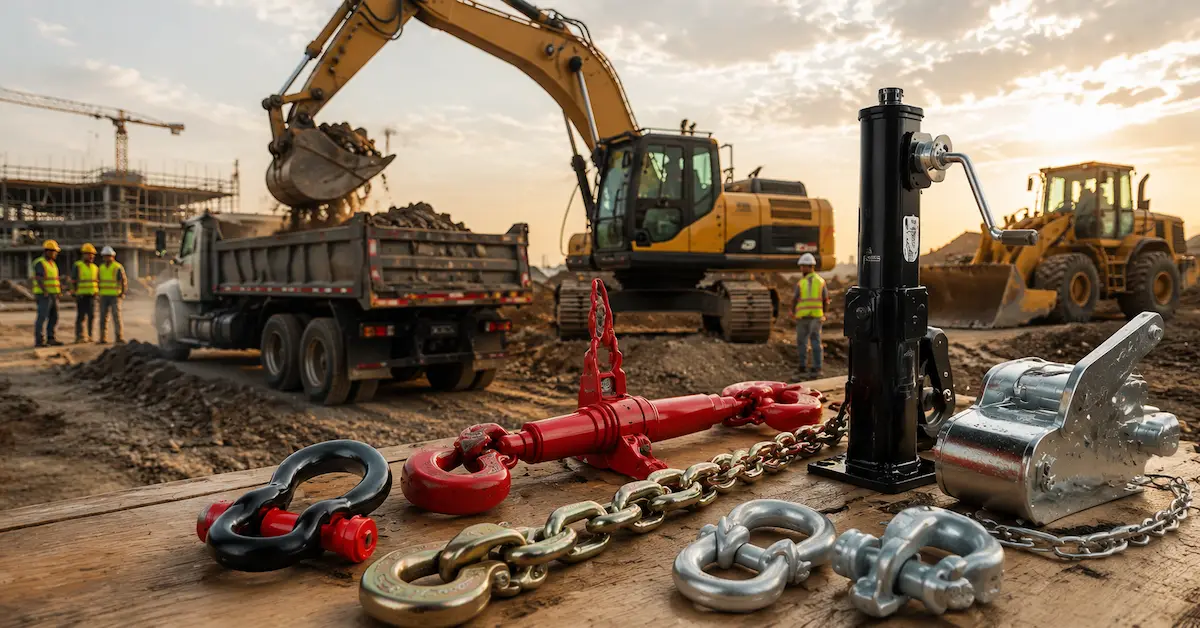
Across various sectors, the forged hook with safety latch OEM proves its versatility. In construction, it facilitates the safe hoisting of steel beams and concrete forms, reducing the risk of accidents that could delay projects. Warehousing operations benefit from its ability to handle palletized goods efficiently, speeding up inventory management and order fulfillment. Even in automotive manufacturing, where precision is paramount, this hook ensures that heavy parts are moved without damage to surrounding equipment or personnel.
The benefits extend beyond immediate functionality. By choosing a forged hook with safety latch OEM, companies invest in long-term reliability, as these hooks require minimal maintenance and resist wear from repeated use. The safety latch mechanism, engineered for foolproof operation, contributes to lower insurance premiums through demonstrated commitment to workplace safety. Additionally, the ergonomic design of the latch reduces operator fatigue, fostering a more productive work environment. For OEM suppliers, offering this hook as part of their catalog can differentiate their product line, attracting clients who value innovation and dependability.
Why Choose a Forged Hook with Safety Latch OEM for Your Operations?
Selecting the right lifting equipment is crucial, and the forged hook with safety latch OEM excels by combining rugged durability with user-friendly features. Its high-grade steel construction ensures it can endure impacts and environmental stresses, while the integrated safety latch provides an extra layer of protection against load slips. This makes it an excellent choice for businesses aiming to upgrade their lifting capabilities without overhauling their entire setup.
In terms of cost-effectiveness, the forged hook with safety latch OEM offers a strong return on investment. Its longevity means fewer replacements, and the enhanced safety features can prevent costly incidents. For those in the supply chain, partnering with reliable OEM producers ensures consistent quality and availability, supporting scalable operations. As industries evolve toward more automated and efficient processes, incorporating such advanced hooks becomes essential for staying competitive.
Maintenance Tips and Best Practices for Longevity
To maximize the performance of your forged hook with safety latch OEM, regular inspection is key. Check the latch for smooth operation and ensure the hook's surface remains free of cracks or deformities after each use. Lubricating the moving parts periodically can prevent binding, while storing the hook in a dry environment helps maintain its corrosion resistance. Training staff on proper usage—such as never exceeding the rated load capacity—will further safeguard its integrity.
Adhering to manufacturer guidelines for the forged hook with safety latch OEM not only prolongs its service life but also upholds safety standards. In high-volume operations, implementing a rotation schedule for hooks can distribute wear evenly, extending the overall fleet's usability. By following these practices, businesses can leverage the full potential of this essential tool, ensuring seamless and secure lifting day after day.
In summary, the forged hook with safety latch OEM represents the pinnacle of industrial lifting technology, blending strength, safety, and efficiency into one compact design. Whether for OEM customization or direct application, it empowers operations to thrive in demanding environments.