English


Cargo Securing Hooks Built for Stable Load Control in Transport and Logistics Systems
When cargo moves, it rarely stays perfectly still.
Vibration, braking, turning — all introduce forces that can shift loads and compromise safety.
In this environment, cargo securing hooks play a different role from lifting hooks.
They are not designed to lift — they are designed to hold, stabilize, and restrain under continuous motion.
For buyers evaluating a cargo securing hook factory, the real question is:
👉 Can the hook maintain stability when everything else is moving?
Why Cargo Securing Fails Without Proper Hooks
In transport systems, failure often comes from small weaknesses.
Common issues include:
- Hooks slipping due to poor geometry
- Deformation under tension loads
- Chain mismatch causing uneven stress
- Fatigue failure after repeated transport cycles
According to Federal Motor Carrier Safety Administration cargo securement rules, load restraint systems must maintain stability under dynamic forces such as braking and acceleration.
This makes hook reliability essential, not optional.
How Cargo Securing Hooks Are Engineered
Unlike lifting hooks, securing hooks are optimized for tension and stability, not vertical load.
Key design features include:
- Reinforced hook throat to prevent chain release
- Controlled curvature for better grip
- Alloy steel construction for strength
- Anti-slip surface or coating
- Compatibility with chain binders and straps
Manufacturing typically includes:
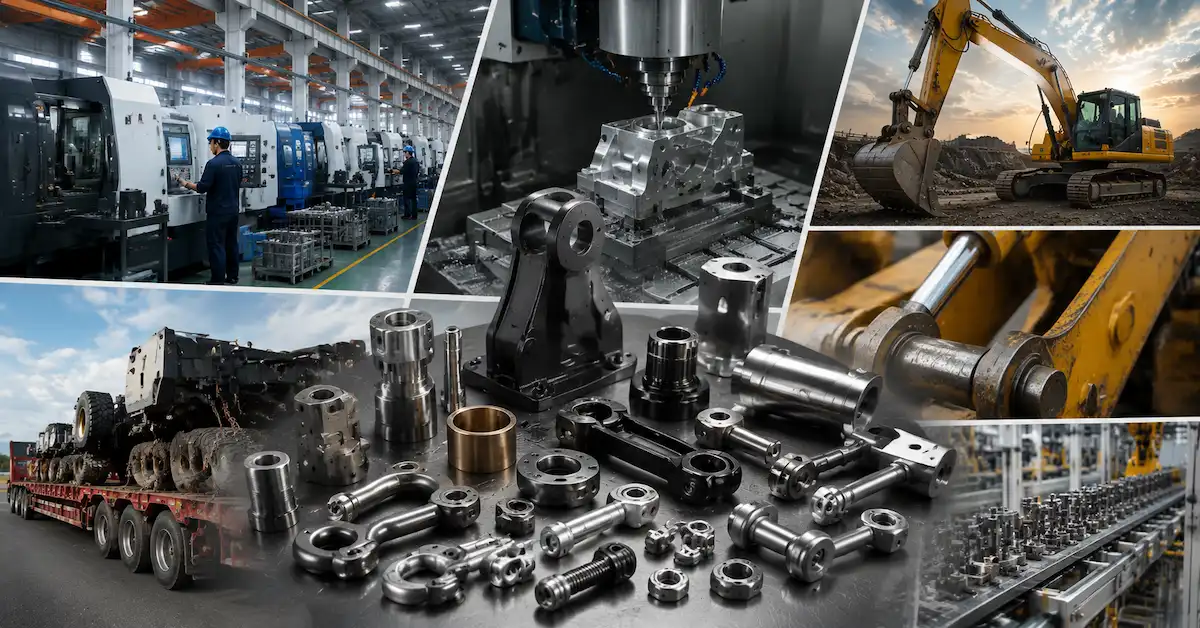
- Drop forging for structural strength
- Heat treatment for fatigue resistance
- Surface coating for durability
Standards from International Organization for Standardization (ISO 7597) guide material strength and inspection requirements.
Cargo Securing Hooks vs Lifting Hooks
| Feature | Cargo Securing Hook | Lifting Hook |
|---|---|---|
| Primary Function | Restraint | Lifting |
| Load Type | Dynamic tension | Vertical load |
| Design Focus | Stability | Strength |
| Usage | Transport systems | Crane systems |
| Risk Type | Slippage | Overload |
Choosing the wrong type leads directly to safety risks.
What Defines a Reliable Factory
A professional cargo securing hook factory must ensure consistency under repeated use.
Key capabilities include:
- Precision forging and shaping
- Consistent dimensional control
- Heat treatment for durability
- Load testing under tension conditions
- Compatibility testing with chains and binders
Industry data from SAE International shows that proper material treatment significantly improves fatigue resistance in transport components.
Application Scenarios
Cargo securing hooks are widely used in transport and logistics systems:
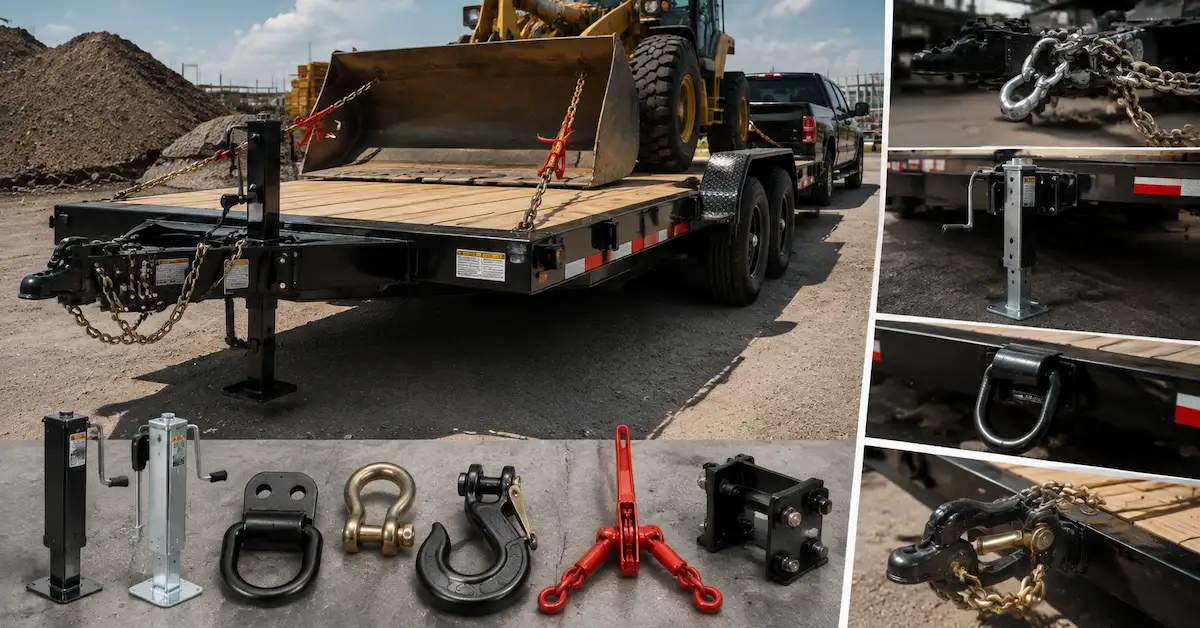
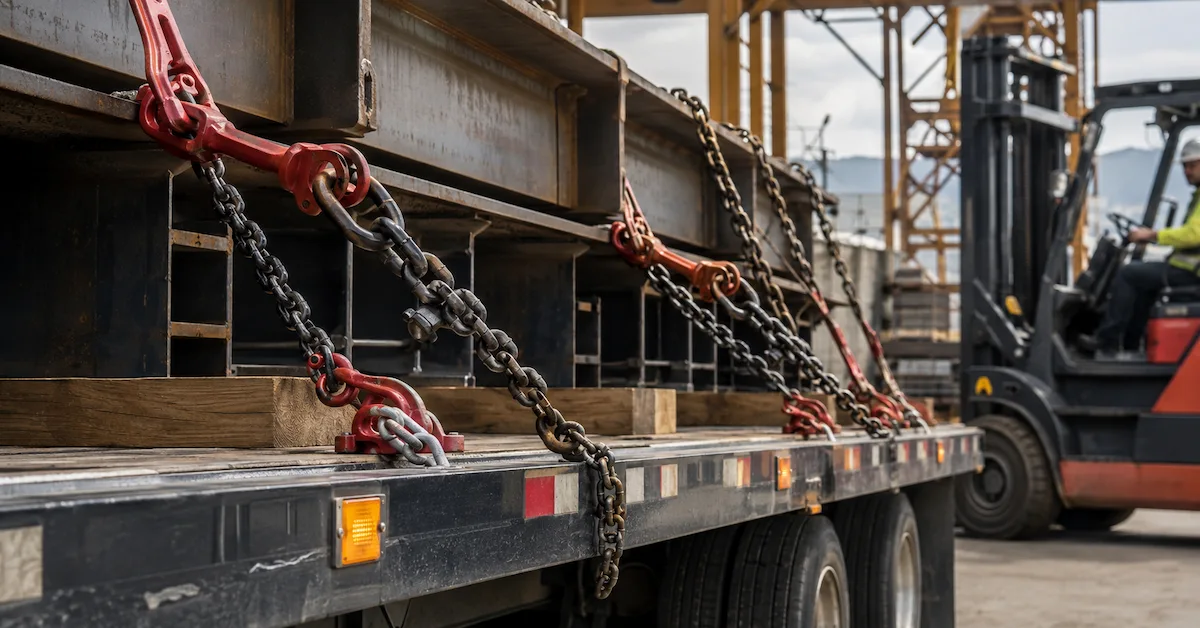
- Truck Transport — securing cargo with chains and binders
- Flatbed Trailers — stabilizing heavy loads
- Shipping Containers — internal restraint systems
- Warehouse Logistics — load control during movement
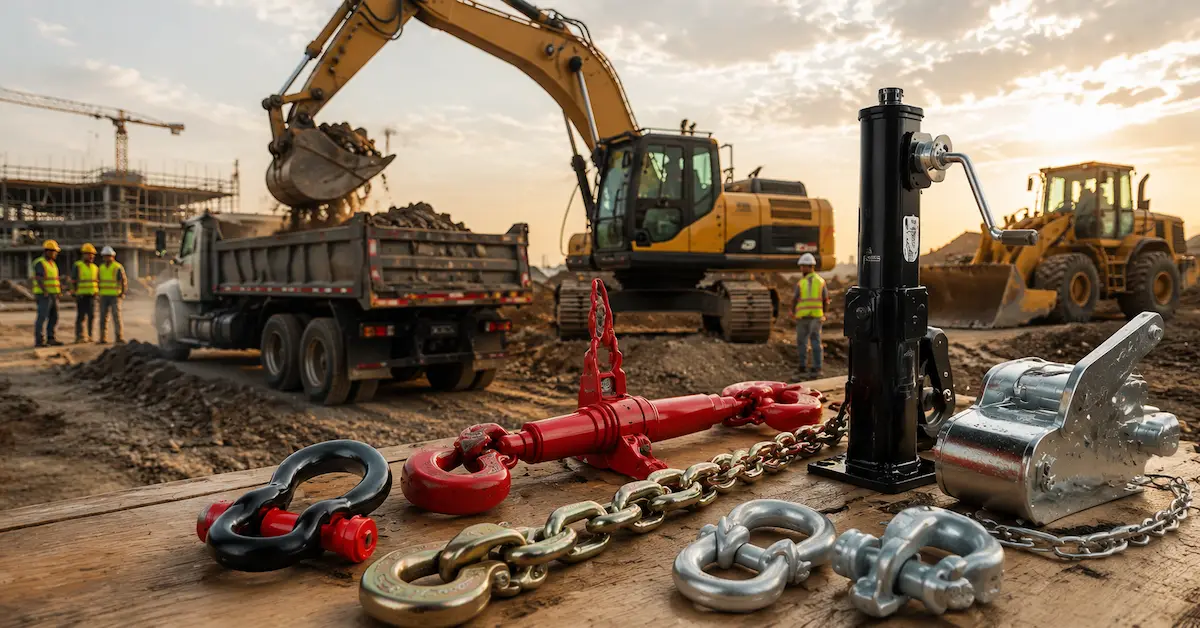
- Heavy Equipment Transport — securing machinery
In all cases, the goal is the same:
👉 Prevent movement before it becomes a problem.
Selection Guide
| Application | Hook Type | Material | Coating | Capacity |
|---|---|---|---|---|
| Truck Load | Grab Hook | Alloy Steel | Zinc | 5–10T |
| Trailer Use | Clevis Hook | 42CrMo | Powder | 10–20T |
| Container | Eye Hook | Alloy Steel | Painted | 5–15T |
| Heavy Equipment | Custom Hook | Custom Alloy | Custom | As required |
The correct hook ensures compatibility with chain size, load direction, and restraint method.
FAQ
Q1: Are cargo securing hooks the same as lifting hooks?
No — they are designed for different load types and functions.
Q2: What standards apply to cargo securing hooks?
Transport regulations such as FMCSA and general ISO standards.
Q3: Can hooks be customized for specific systems?
Yes, OEM customization is common in transport solutions.
Q4: What affects hook lifespan?
Load cycles, vibration, and environmental exposure.
Built to Hold, Not Just Lift
Cargo securing is about control — not force alone.
A well-designed hook ensures that loads remain stable throughout transport, regardless of road conditions or movement.
Choosing a reliable cargo securing hook factory means ensuring safety, compliance, and long-term performance in every shipment.
🔗 Explore More
For detailed product specifications or OEM solutions:
👉 https://www.ztlrigging.com/
For quotations or technical consultation:
👉 https://www.ztlrigging.com/contact-us