English


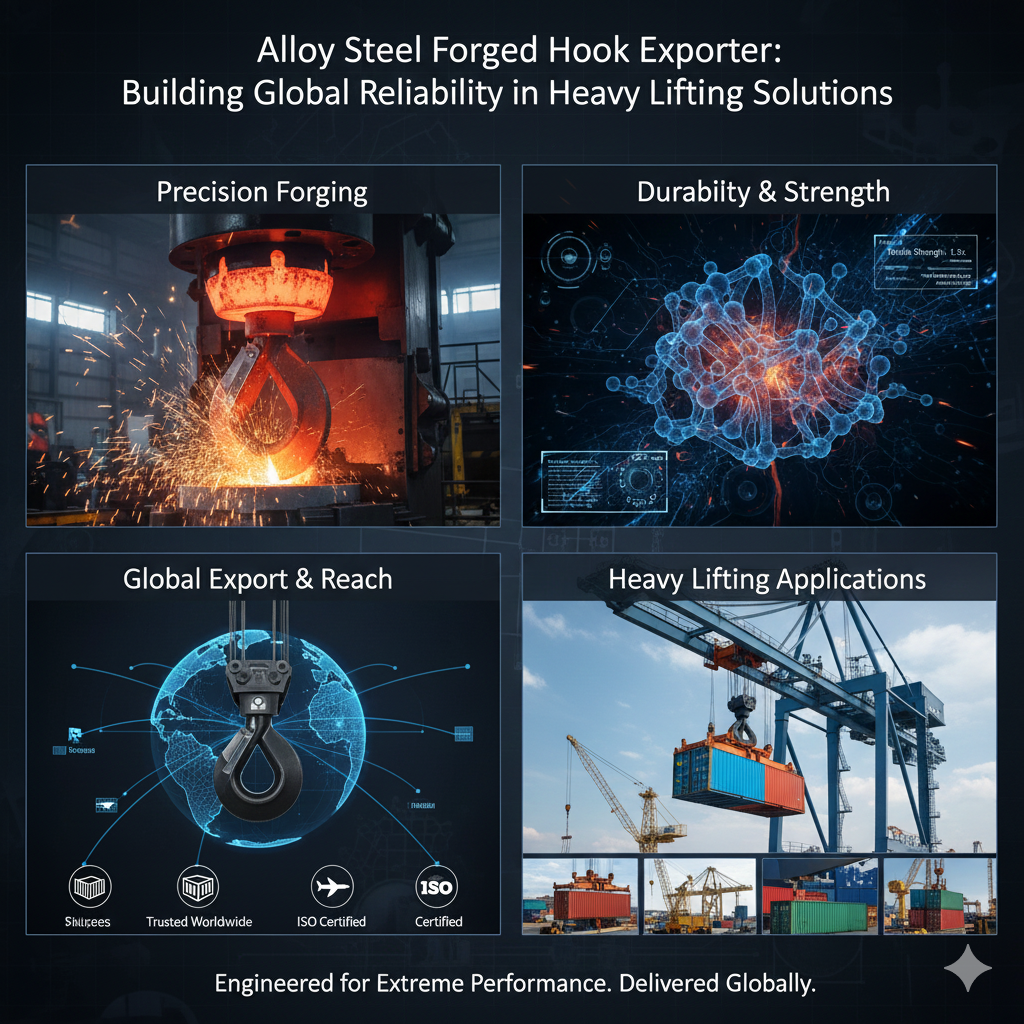
Alloy Steel Forged Hook Exporter: Building Global Reliability in Heavy Lifting Solutions
When your business depends on lifting tons of steel, concrete, or machinery, every connection point must perform flawlessly. That’s where a professional alloy steel forged hook exporter makes the difference — delivering consistency, certification, and global logistics reliability.
Zhongteli, a leading name in rigging hardware manufacturing, has become a trusted exporter of alloy steel forged hooks, combining advanced forging science with international compliance and robust export management systems.
Global Buyers’ Pain Points: Quality Without Certification Is a Risk
Many importers have learned the hard way — a low-cost forged hook without proper traceability can fail under stress, leading to safety hazards, rejected shipments, or even litigation.
Common Pain Points for Buyers:
-
Unverified load ratings or missing certificates of conformity.
-
Unstable surface treatments causing corrosion in maritime use.
-
Dimensional inaccuracy leading to chain misfit.
-
Inconsistent mechanical properties due to uncontrolled heat treatment.
According to ASME B30.10 and ISO 7597:2013, all forged lifting hooks must be proof-tested and traceable to production batches. Failing to meet these standards voids compliance in major export markets.
The Science of Alloy Steel Forging
At Zhongteli, each forged hook is built from 35CrMo or 42Cr alloy steel, selected for its balance between strength and ductility. During hot forging, metal grains align along the hook’s curvature, creating a directional grain flow that resists tension, bending, and fatigue.
Manufacturing Highlights:
-
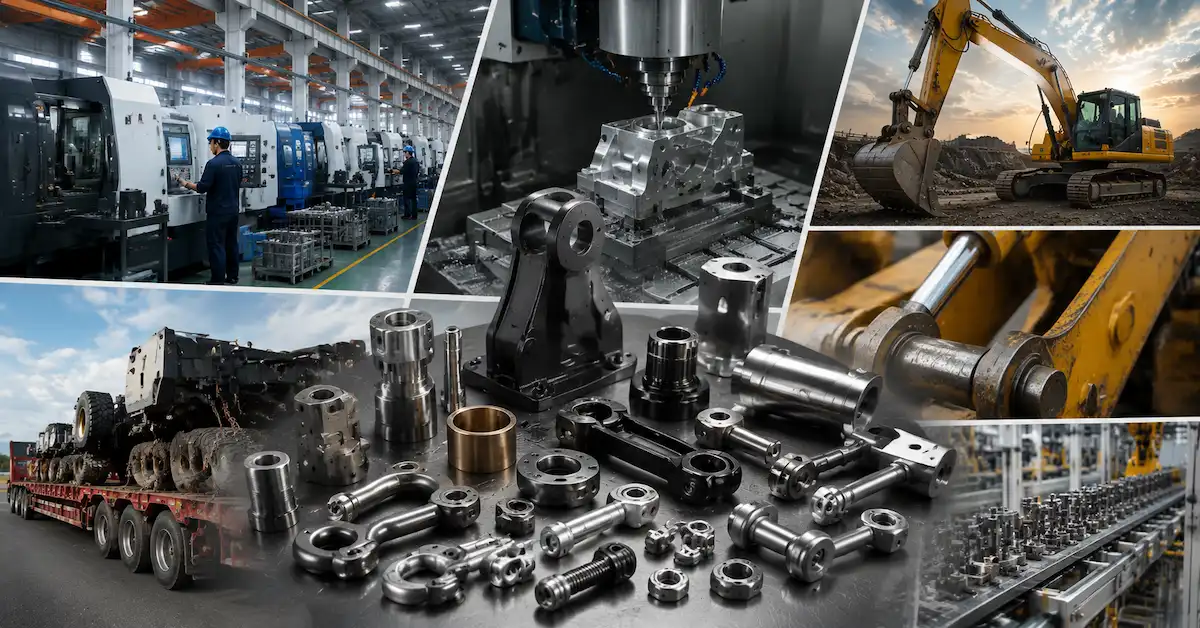
Closed-Die Forging – Ensures uniform metal density and shape precision.
-
Heat Treatment & Quenching – Achieves consistent hardness (HRC 33–38).
-
CNC Finishing – Guarantees dimensional accuracy and pin-hole alignment.
-
Coating Options – Zinc plating, hot-dip galvanizing, or epoxy coating for corrosion resistance.
-
Inspection & Certification – Ultrasonic testing and 2.5× WLL proof load per EN 1677-2.
Each exported batch carries full documentation: Material Test Reports (MTRs), inspection photos, and load test certificates verified by third-party agencies.
Why Alloy Steel Outperforms Carbon Steel
| Property | Alloy Steel Forged Hook | Carbon Steel Hook |
|---|---|---|
| Yield Strength | 850–950 MPa | 400–550 MPa |
| Fatigue Resistance | High (directional grain) | Moderate |
| Corrosion Resistance | Excellent with coating | Fair |
| Temperature Stability | Up to 350 °C | <200 °C |
| Service Life | 3–5 years | 1–2 years |
Data published by SAE International shows that alloy steel forgings retain up to 95% of their yield strength after 10,000 cyclic loads — nearly double that of generic carbon steel hooks.
Zhongteli: Exporting Reliability, Not Just Hardware
Zhongteli integrates design, production, and logistics into one system to ensure every order meets both engineering and regulatory expectations.
Export-Grade Advantages:
-
Global Standards Compliance: ISO 9001, CE, ASME B30.10, EN 1677.
-
OEM & ODM Capability: Custom geometry, branding, packaging.
-
Automated Forging Lines: Real-time temperature and pressure control.
-
Traceable Quality Chain: From billet to shipment.
-
Global Export Footprint: North America, EU, Australia, Middle East.
In line with World Trade Organization (WTO) export compliance frameworks, Zhongteli’s documentation ensures buyers receive standardized certificates accepted worldwide — minimizing customs delays and compliance risks.
Applications Across Industries
Zhongteli’s alloy steel forged hooks are used in diverse heavy-duty sectors:
-
Construction & Infrastructure: High-load cranes and bridge assembly.
-
Shipping & Marine: Corrosion-resistant coatings for offshore operations.
-
Mining & Energy: Fatigue-tested hooks for repetitive lifting cycles.
-
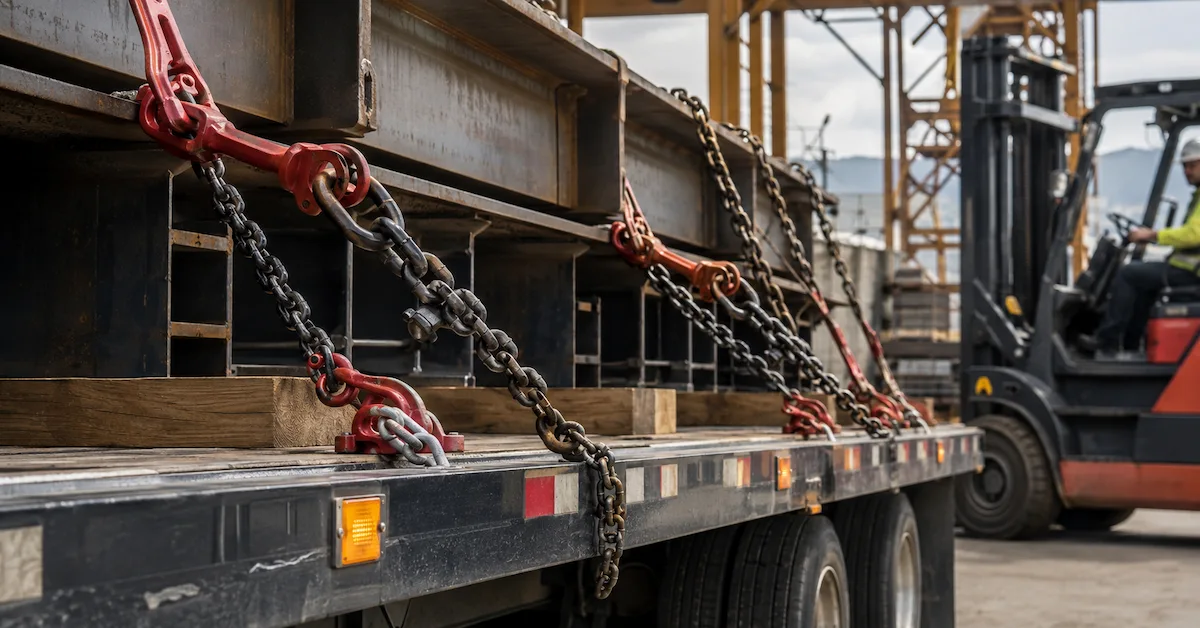
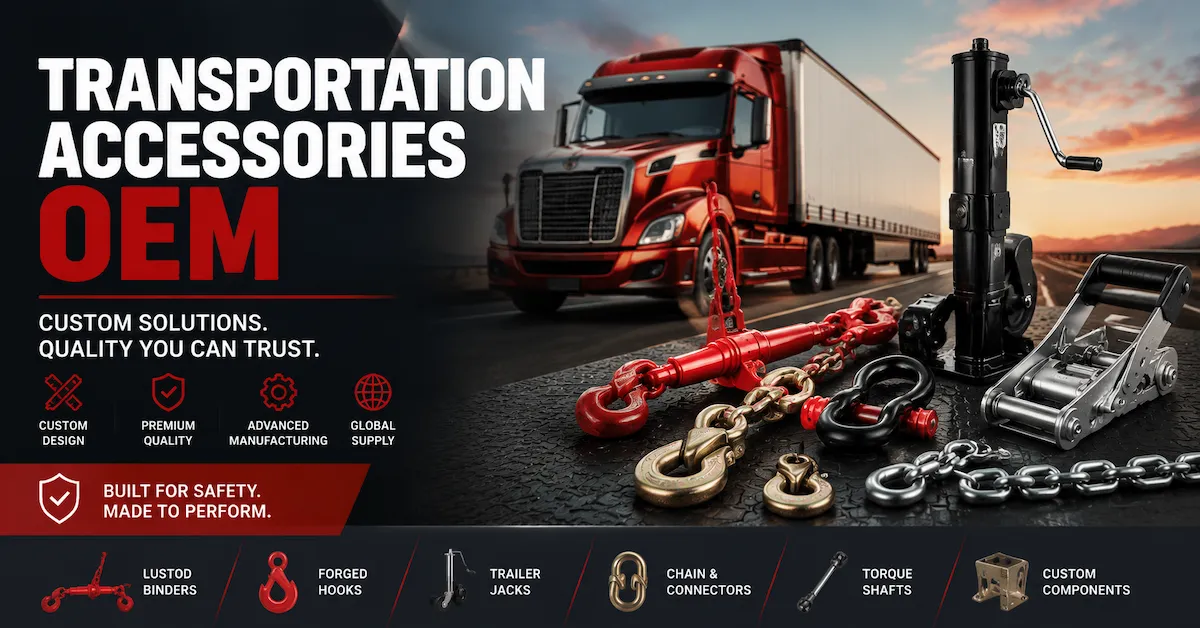
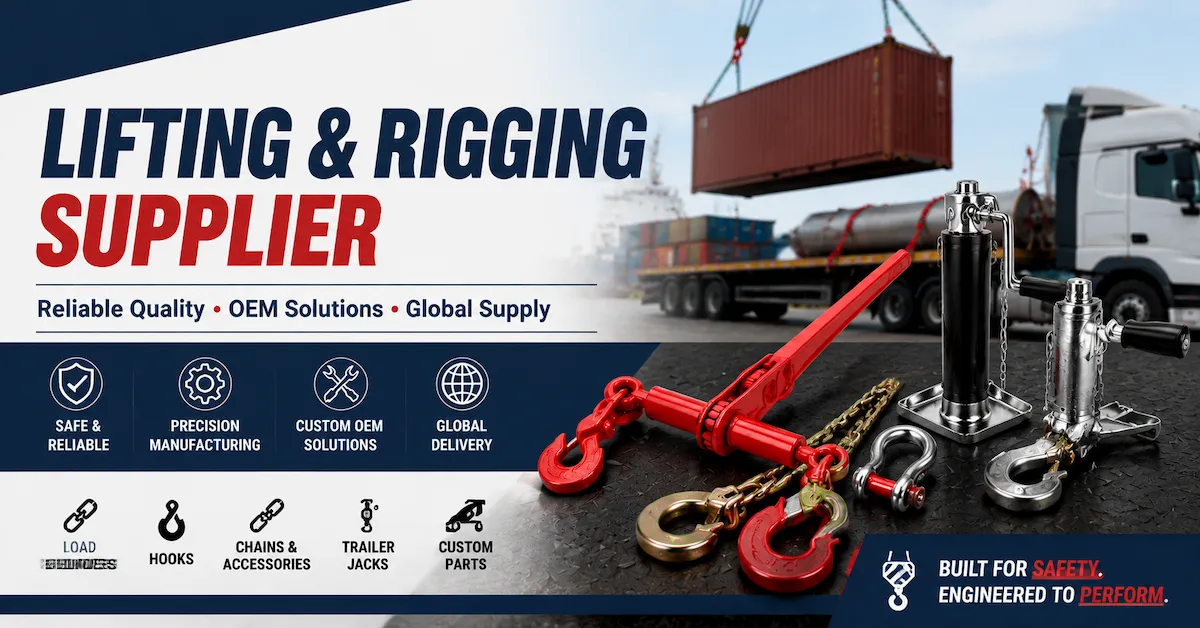
Transportation & Logistics: Chain and binder integration for cargo restraint.
-
OEM Machinery: Custom hooks integrated into branded lifting systems.
Each application benefits from the same engineering discipline — verified metallurgy, consistent geometry, and batch-controlled traceability.
Selection Guide: Choosing the Right Alloy Steel Forged Hook
| Application | Hook Type | Alloy Grade | Surface Finish | WLL Range |
|---|---|---|---|---|
| Cargo Handling | Eye Hook | 35CrMo | Zinc | 5–10 T |
| Marine Lifting | Swivel Hook | 316 Stainless | HDG | 3–8 T |
| Heavy Construction | Clevis Hook | 42CrMo | Powder | 10–20 T |
| Industrial OEM | Custom Hook | Alloy + Carbon Mix | OEM Finish | Up to 30 T |
Zhongteli engineers analyze each buyer’s load pattern, environment, and connection method before recommending the proper alloy grade and hook geometry — ensuring performance meets both mechanical and regulatory demands.
FAQ
Q1: Are Zhongteli forged hooks certified for export?
Yes — all hooks are certified under ISO 9001, ASME B30.10, and EN 1677-2 with MTRs included.
Q2: Can Zhongteli support OEM branding and labeling?
Absolutely. Private-label forging, packaging, and surface customization are available for global distributors.
Q3: What’s the typical delivery time for export orders?
25–30 days depending on order volume and coating requirements.
Q4: How are export shipments packaged?
Hooks are packed in fumigation-free wooden crates, moisture-proof lined, with palletized stacking suitable for sea freight.
Forged for the World, Certified for Safety
A forged hook may seem simple, yet behind every one lies metallurgy, precision, and compliance discipline.
As a global alloy steel forged hook exporter, Zhongteli ensures that every product lifting your cargo represents reliability forged in steel and certified for the world.
For OEM inquiries, distributor partnerships, or export consultation, visit Zhongteli’s homepage or contact us directly here.