English


Forged metal parts play an important role in industries where strength, durability, and reliability are critical. From rigging hardware and cargo securing components to trailer parts and industrial mechanical assemblies, forged components are widely used because they can withstand heavy loads, repeated stress, and demanding working environments.
For global buyers, choosing the right forged metal parts manufacturer is not only about production capacity. A reliable supplier should understand material selection, forging technology, heat treatment, machining accuracy, surface treatment, quality inspection, and OEM customization.
Poor-quality forged components may lead to deformation, cracking, premature wear, and unexpected failures. For manufacturers, distributors, and industrial brands, these issues can increase maintenance costs and affect customer satisfaction.
A professional forging partner should provide consistent quality, technical support, and stable supply capability.
Ningbo Zhongteli Rigging Co., Ltd. specializes in rigging equipment, forged hooks, load binders, trailer components, torque shafts, and customized industrial hardware solutions. The company supports global customers through manufacturing capability, quality control, and OEM services.
For buyers looking for broader rigging solutions, Zhongteli also provides custom rigging solutions designed for different industrial and transportation applications.
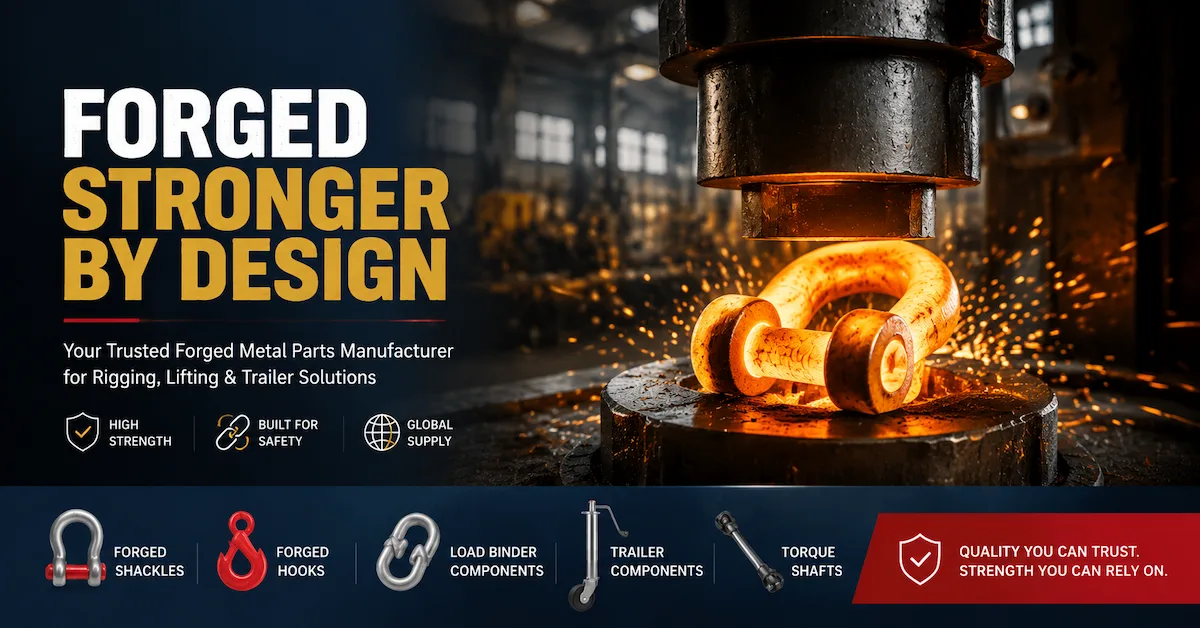
What Is a Forged Metal Parts Manufacturer?
A forged metal parts manufacturer produces metal components by shaping heated metal through controlled pressure. Compared with simple casting or basic machining methods, forging improves the internal grain structure of metal, creating stronger and more durable parts.
Forged components are commonly used for products that require:
- high mechanical strength
- impact resistance
- fatigue durability
- reliable performance under heavy loads
- long service life
Common forged metal products include:
- forged hooks
- load binder components
- lifting hardware
- chain accessories
- trailer hardware
- industrial connectors
- custom OEM metal parts
For safety-related products, forging is often preferred because the manufacturing process improves structural consistency and load-bearing capability.
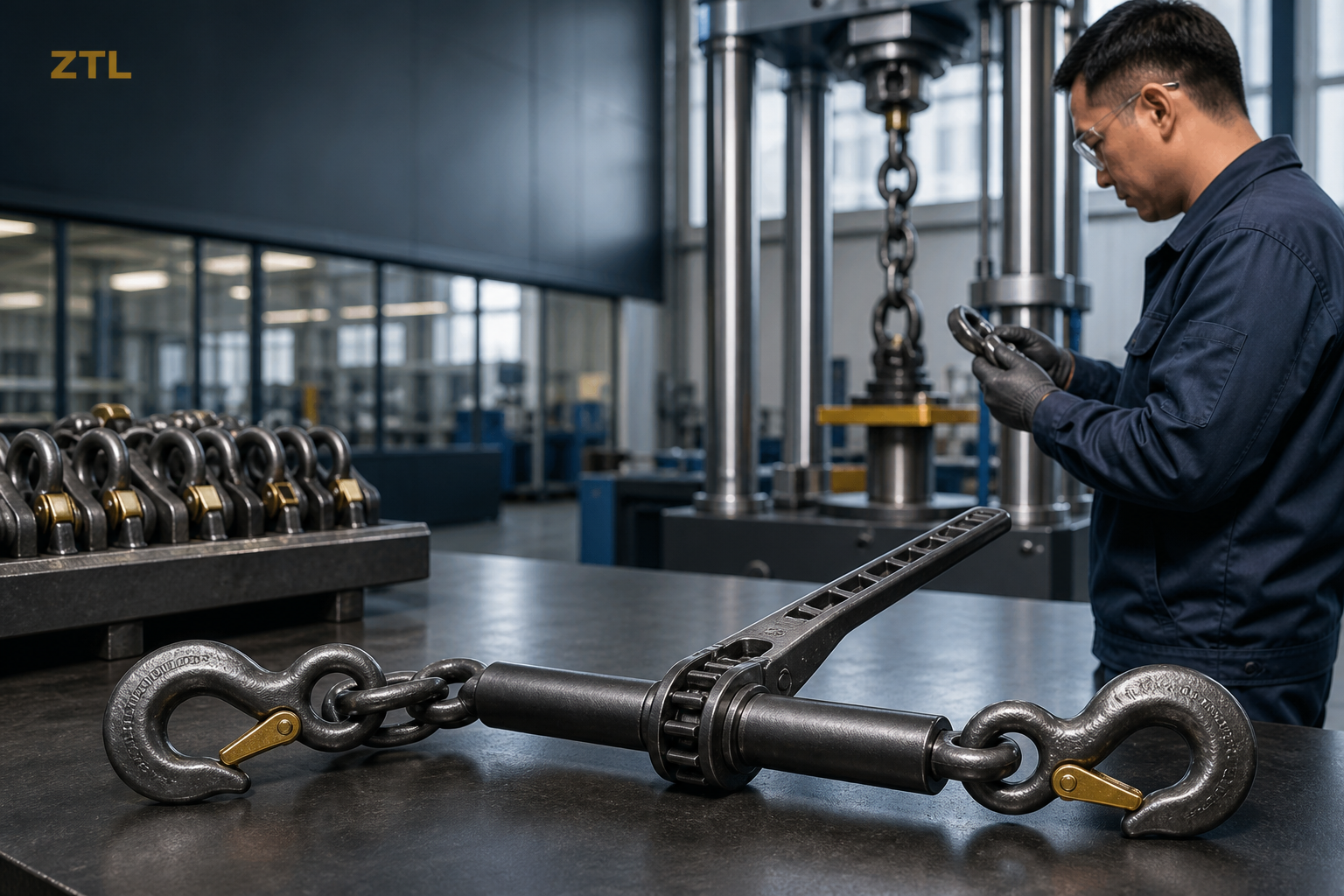
Zhongteli applies forging technology to products such as load binders and forged components, supporting customers who require durable solutions for transportation and industrial applications. Buyers can explore related rigging gear solutions for more product information.
Why Forged Metal Parts Are Preferred for Heavy-Duty Applications
Industrial components often operate under challenging conditions, including:
- continuous loading
- vibration
- impact forces
- outdoor exposure
- temperature changes
- repeated stress cycles
Forged metal parts provide several advantages.
Higher Mechanical Strength
During forging, the metal grain structure is compressed and aligned according to the component shape.
This improves:
- tensile strength
- toughness
- fatigue resistance
- impact performance
For products such as hooks, binders, and industrial connectors, strength is one of the most important performance factors.
Better Fatigue Resistance
Many industrial components experience repeated loading.
Examples include:
- cargo securing equipment
- trailer components
- lifting accessories
- mechanical connectors
Forged parts are designed to handle repeated stress more effectively compared with some alternative manufacturing methods.
Improved Reliability
For OEM buyers, consistent performance between production batches is essential.
A professional forged metal parts manufacturer should maintain stable control over:
- raw materials
- forging temperature
- production parameters
- heat treatment
- inspection procedures
Forging Process for Metal Parts Manufacturing
A reliable forging factory should control the complete manufacturing process from raw material to finished product.
Material Selection
Material selection determines the final strength and durability of forged components.
Common materials include:
- carbon steel
- alloy steel
- stainless steel
- customized steel grades
The material should be selected based on:
- working load
- application environment
- corrosion requirements
- fatigue requirements
For heavy-duty rigging and industrial applications, alloy steel is often selected because of its improved mechanical performance.
Heating Process
Before forging, metal is heated to the correct temperature.
Proper temperature control helps achieve:
- better material flow
- fewer internal defects
- improved structural consistency
Incorrect heating may cause:
- cracks
- uneven structure
- reduced mechanical performance
Forging Operation
The heated metal is shaped through controlled force.
Common forging methods include:
- drop forging
- closed-die forging
- open-die forging
Forging helps improve:
- material density
- structural strength
- product reliability
For example, load-bearing rigging components often require forged construction because they work under high tension and repeated loads.
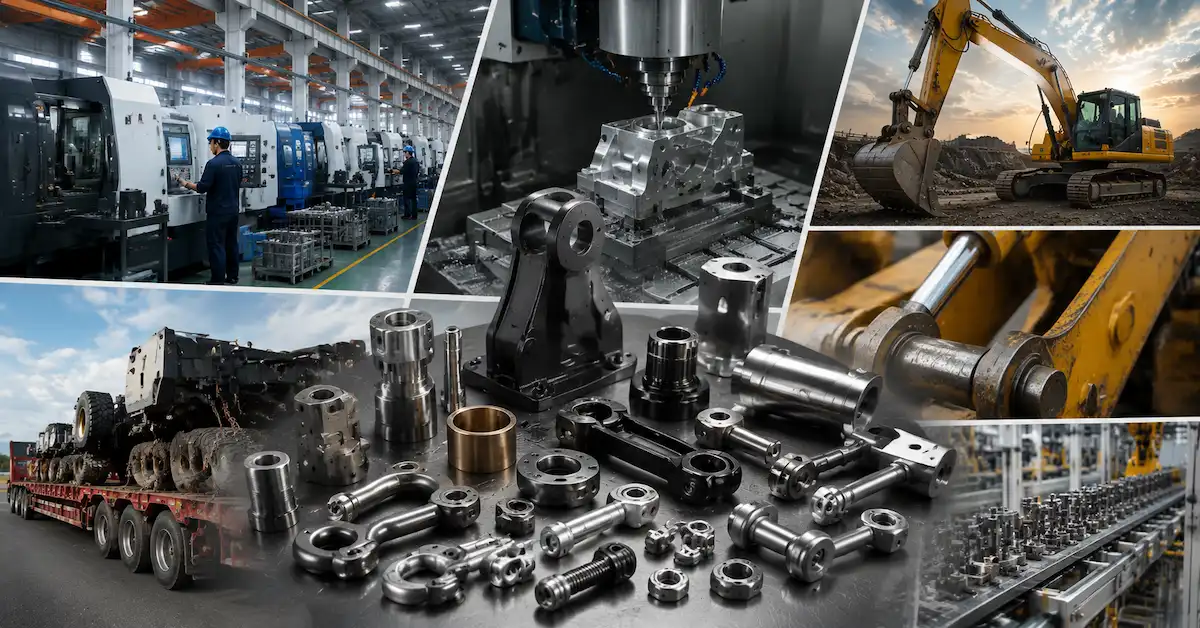
Zhongteli’s manufacturing capability includes forging, heat treatment, and surface treatment processes to support durable industrial products. More details can be found in the company’s manufacturing process capability.
Heat Treatment
After forging, heat treatment improves mechanical properties.
Common processes include:
- quenching
- tempering
- normalizing
- stress relief
Heat treatment improves:
- hardness
- toughness
- wear resistance
- fatigue life
Machining and Surface Finishing
Some forged parts require additional machining after forging.
Processes include:
- CNC machining
- drilling
- grinding
- thread processing
- surface finishing
These processes ensure accurate dimensions and proper assembly.
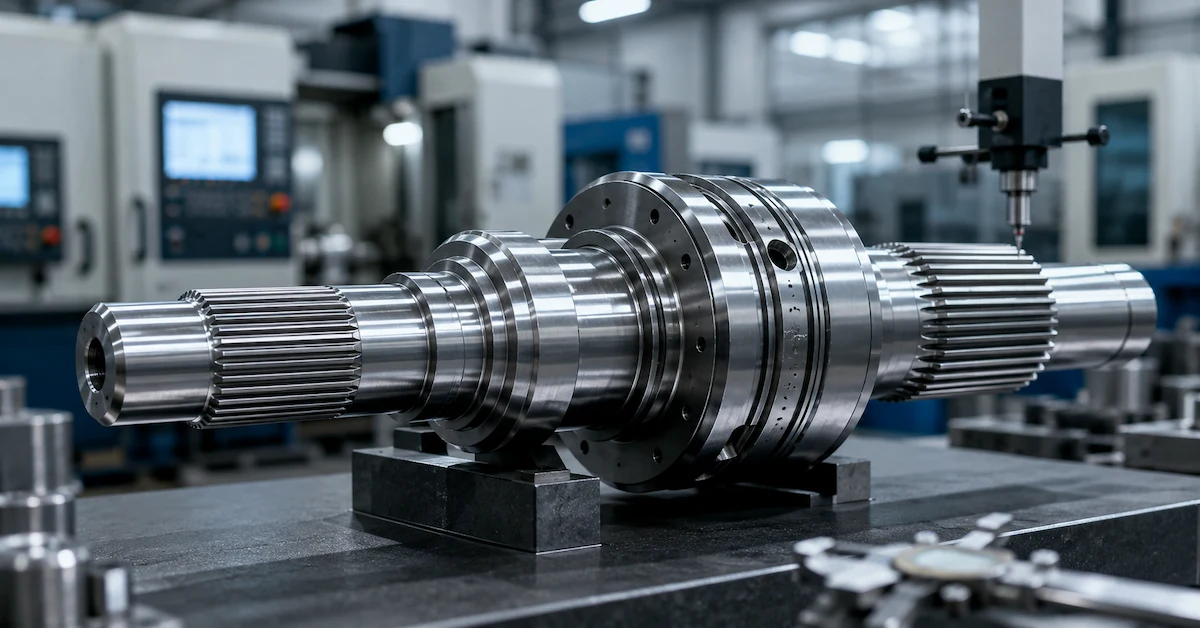
For precision mechanical components, Zhongteli also provides related torque shaft manufacturing capabilities, including torque shaft solutions for industrial applications.
Applications of Forged Metal Components
Forged metal parts are used across multiple industries where strength, durability, and reliability are required.
Lifting and Rigging Applications
Forged components are widely used in:
- hooks
- connectors
- load binders
- lifting hardware
- cargo securing equipment
These products must withstand repeated tension, impact, and heavy loads.
For buyers sourcing rigging-related forged products, Zhongteli provides professional rigging hardware solutions including load binders, hooks, and other industrial components designed for transportation and lifting applications.
Transportation and Trailer Applications
Transportation equipment requires components that can maintain performance under vibration, weather exposure, and repeated operation.
Forged metal parts are commonly used in:
- trailer hardware
- cargo securing systems
- truck accessories
- transport equipment
A reliable supplier should understand not only the forging process but also the application environment.
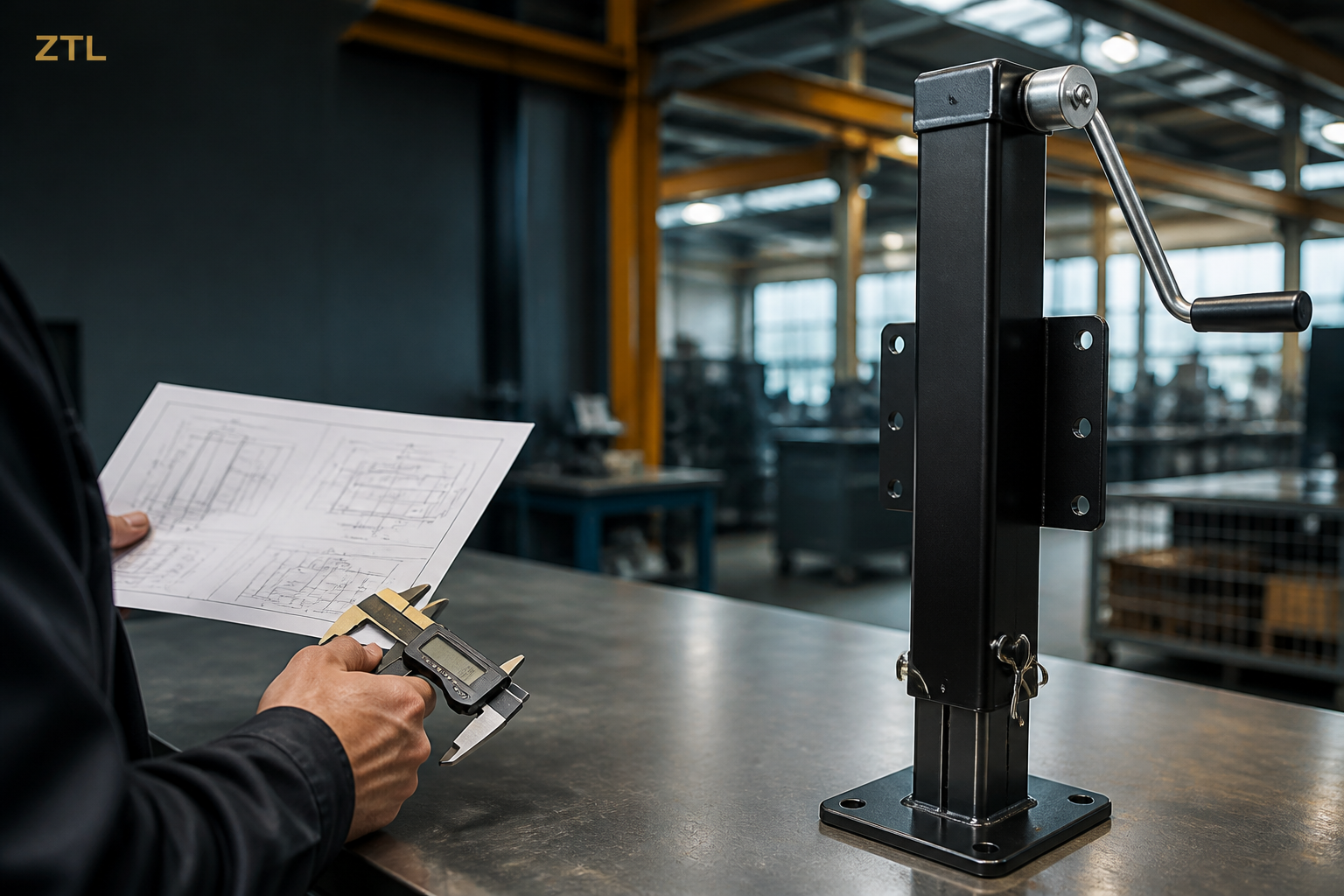
Zhongteli provides trailer-related components and supports OEM customers with customized solutions for different transportation requirements. Buyers can learn more through the trailer parts supplier guide.
Construction Equipment Applications
Construction machinery operates under heavy loads and harsh environments.
Forged components are used for:
- heavy equipment connections
- industrial support components
- mechanical assemblies
- load-bearing parts
The combination of forging strength and proper heat treatment helps improve service life in demanding applications.
Agricultural Machinery Applications
Agricultural equipment often works outdoors under changing conditions.
Forged components help provide:
- impact resistance
- durability
- stable performance
- corrosion protection when combined with proper surface treatment
For agricultural equipment suppliers, selecting a reliable forged metal parts manufacturer helps reduce maintenance issues and improve product reliability.
How to Choose a Reliable Forged Metal Parts Manufacturer
Selecting the right supplier requires evaluating more than production price.
A professional forged metal parts manufacturer should have strong manufacturing capability, quality control systems, and OEM experience.
Manufacturing Capability
A qualified supplier should have experience with:
- forging processes
- tooling development
- machining
- heat treatment
- surface treatment
- final assembly
Complete manufacturing capability allows better control over:
- product quality
- production schedule
- customization
- cost management
Quality Control System
Quality control is one of the most important factors when choosing a forging supplier.
Important inspection processes include:
- raw material inspection
- dimensional inspection
- hardness testing
- strength testing
- surface inspection
- finished product inspection
For load-bearing products, testing is especially important because appearance alone cannot determine performance.
Zhongteli emphasizes material inspection, process inspection, and finished product inspection throughout production. The company also highlights advanced forging, heat treatment, and surface treatment capabilities on its factory and quality page.
OEM Customization Capability
Many global buyers need customized forged components instead of standard products.
A capable manufacturer should support:
- custom drawings
- prototype development
- special dimensions
- material selection
- surface finishing
- logo marking
- private-label packaging
OEM capability is especially valuable for:
- distributors
- equipment manufacturers
- industrial brands
- aftermarket suppliers
For buyers requiring customized industrial components, Zhongteli provides custom rigging solutions based on customer specifications and application requirements.
Forged Metal Parts Manufacturer vs General Hardware Supplier
Different suppliers provide different levels of capability.
| Supplier Type | Advantages | Limitations |
|---|---|---|
| Forged Metal Parts Manufacturer | Better process control, OEM capability, production consistency | May require MOQ |
| General Hardware Supplier | Wide product selection | Limited forging expertise |
| Trading Company | Flexible sourcing | Less control over manufacturing |
| Specialized Industrial Factory | Strong application knowledge | More focused product range |
For safety-related and load-bearing components, working with a specialized manufacturer usually provides better quality assurance and technical support.
OEM Forged Metal Parts Solutions
Modern industrial buyers often need products that match their equipment, market, and brand requirements.
A professional forged metal parts manufacturer should provide OEM services including:
- custom dimensions
- customized materials
- special designs
- surface treatment options
- logo marking
- packaging customization
- sample approval
- mass production
OEM solutions help buyers:
- reduce development time
- improve product consistency
- create differentiated products
- build long-term supply relationships
For customers requiring custom mechanical products, Zhongteli supports OEM manufacturing from design communication to production and inspection.
Quality Control for Forged Components
Quality control is essential because forged parts often carry important loads.
A complete quality management process should include:
Raw Material Inspection
Checking:
- steel grade
- chemical composition
- incoming material quality
Forging Inspection
Checking:
- forging defects
- surface quality
- structural consistency
Heat Treatment Inspection
Checking:
- hardness
- mechanical performance
- durability requirements
Final Product Inspection
Checking:
- dimensions
- appearance
- function
- packaging
Zhongteli applies quality control throughout production to ensure stable product performance for global customers.
Export Packaging and Global Supply Capability
For international buyers, product quality is only one part of successful cooperation. Export packaging and delivery management are also important.
Professional packaging should include:
- anti-rust protection
- protective wrapping
- cartons
- pallets
- product labels
- shipment marks
- moisture protection
A reliable forged metal parts manufacturer should understand international transportation requirements and protect products during long-distance shipping.
Zhongteli supports global customers through export experience, customized packaging, and international supply capability.
Why Work with Ningbo Zhongteli Rigging Co., Ltd.?
Ningbo Zhongteli Rigging Co., Ltd. is a professional manufacturer specializing in rigging products and forged industrial components.
The company provides:
- forged hooks
- load binders
- trailer components
- torque shafts
- customized rigging hardware
Zhongteli highlights:
- 15+ years manufacturing experience
- custom product solutions
- global export service
- ISO 9001 quality management
- 15,000㎡ factory area
- 50+ production lines
- 200+ skilled workers
As a forged metal parts manufacturer, Zhongteli supports global customers with:
- product development
- forging production
- quality inspection
- OEM customization
- export packaging
Buyers can explore more products through the Zhongteli Products page or contact the team through the Contact Us page for customized forging projects.
Frequently Asked Questions
1. What does a forged metal parts manufacturer produce?
A forged metal parts manufacturer produces high-strength components through forging processes, including hooks, connectors, rigging hardware, trailer components, and custom industrial parts.
2. Why are forged parts stronger than regular metal parts?
Forging improves the internal grain structure of metal, increasing strength, toughness, impact resistance, and fatigue performance.
3. What materials are commonly used for forged metal parts?
Common materials include carbon steel, alloy steel, and stainless steel depending on application requirements.
4. Can forged metal parts be customized?
Yes. OEM manufacturers can customize dimensions, materials, surface finishes, packaging, product markings, and special designs.
5. What industries use forged components?
Forged components are widely used in lifting, transportation, construction, agriculture, manufacturing, and industrial equipment.
6. What quality tests are important for forged parts?
Important tests include material inspection, hardness testing, dimensional inspection, strength testing, and final product inspection.
7. Is forging better than machining?
Forging is usually preferred for heavy-load applications because it improves structural strength and fatigue resistance. Machining is often added when precise dimensions are required.
8. How do I choose the right forging supplier?
Evaluate forging capability, quality control systems, OEM experience, production capacity, customization ability, and export experience.
9. What is the difference between forged parts and cast parts?
Forged parts generally provide better strength and fatigue resistance because the metal structure is improved through controlled forming.
10. How can I start an OEM forged metal parts project?
Prepare your drawings, material requirements, application details, quantity, and packaging requirements, then contact the manufacturer for technical review and quotation.
Conclusion
Choosing the right forged metal parts manufacturer helps businesses improve product reliability, reduce failure risks, and build stable long-term supply relationships.
For industrial buyers, forging quality depends on more than the forming process. It requires proper materials, controlled manufacturing, heat treatment, inspection systems, and experienced engineering support.
With professional manufacturing capability and OEM customization experience, Ningbo Zhongteli Rigging Co., Ltd. provides reliable forged metal components and industrial solutions for customers worldwide.